
tirthajyoti/Machine-Learning-with-Python
tirthajyoti/Machine-Learning-with-Python has 3,342 GitHub stars and 1,823 forks. GitHot measured -1 stars in 24 hours, 0 in 7 days, and 0 in 15 days. Last checked 2026-11-19 15:14 UTC. Last push 2023-05-22.
측정된 스타 증가
- in 24h
- -1
- in 7 days
- 0
- in 15 days
- 0
- in 1 month
- 기록 수집 중
서로 겹치는 기간의 순증가량이며 일별 합계가 아닙니다. 측정값이 없으면 비워 둡니다. 스타는 관심도를 나타내며 품질을 보장하지 않습니다.
소개
Practice and tutorial-style notebooks covering wide variety of machine learning techniques
머신러닝README.md
Original


Python Machine Learning Jupyter Notebooks (ML website)
Dr. Tirthajyoti Sarkar, Fremont, California (Please feel free to connect on LinkedIn here)
Also check out these super-useful Repos that I curated
Highly cited and useful papers related to machine learning, deep learning, AI, game theory, reinforcement learning
Carefully curated resource links for data science in one place
Requirements
- Python 3.6+
- NumPy (
pip install numpy) - Pandas (
pip install pandas) - Scikit-learn (
pip install scikit-learn) - SciPy (
pip install scipy) - Statsmodels (
pip install statsmodels) - MatplotLib (
pip install matplotlib) - Seaborn (
pip install seaborn) - Sympy (
pip install sympy) - Flask (
pip install flask) - WTForms (
pip install wtforms) - Tensorflow (
pip install tensorflow>=1.15) - Keras (
pip install keras) - pdpipe (
pip install pdpipe)
You can start with this article that I wrote in Heartbeat magazine (on Medium platform):
"Some Essential Hacks and Tricks for Machine Learning with Python"

Essential tutorial-type notebooks on Pandas and Numpy
Jupyter notebooks covering a wide range of functions and operations on the topics of NumPy, Pandans, Seaborn, Matplotlib etc.
- Detailed Numpy operations
- Detailed Pandas operations
- Numpy and Pandas quick basics
- Matplotlib and Seaborn quick basics
- Advanced Pandas operations
- How to read various data sources
- PDF reading and table processing demo
- How fast are Numpy operations compared to pure Python code? (Read my article on Medium related to this topic)
- Fast reading from Numpy using .npy file format (Read my article on Medium on this topic)
Tutorial-type notebooks covering regression, classification, clustering, dimensionality reduction, and some basic neural network algorithms
Regression
Simple linear regression with t-statistic generation
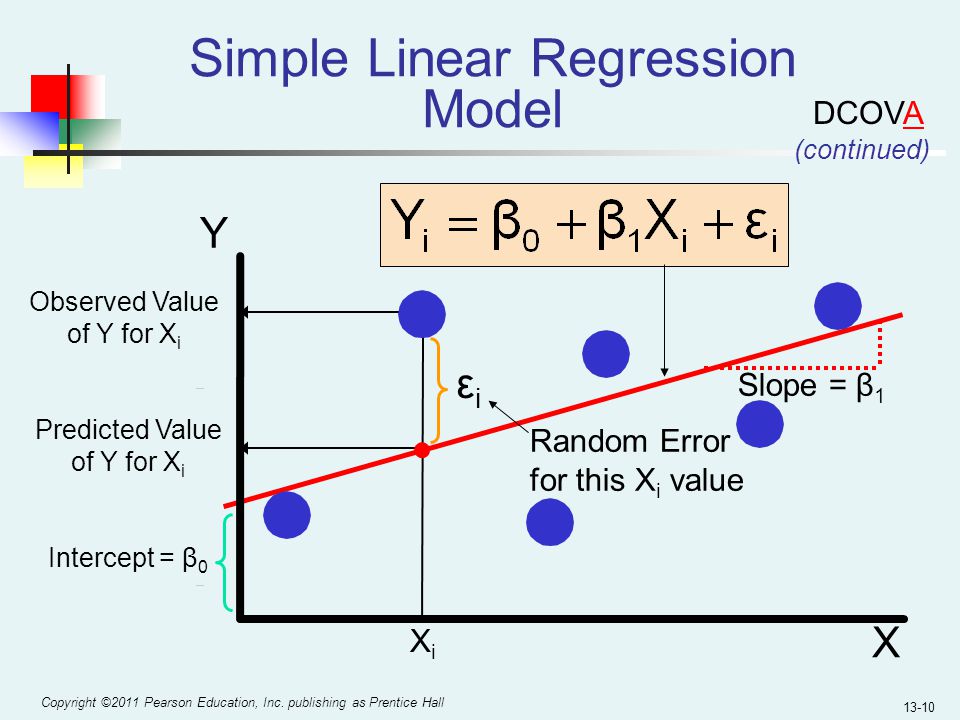
Multiple ways to perform linear regression in Python and their speed comparison (check the article I wrote on freeCodeCamp)
Multi-variate regression with regularization

Polynomial regression using scikit-learn pipeline feature (check the article I wrote on Towards Data Science)
Decision trees and Random Forest regression (showing how the Random Forest works as a robust/regularized meta-estimator rejecting overfitting)
Detailed visual analytics and goodness-of-fit diagnostic tests for a linear regression problem
Robust linear regression using
HuberRegressorfrom Scikit-learn
Classification
Logistic regression/classification (Here is the Notebook)
k-nearest neighbor classification (Here is the Notebook)
Decision trees and Random Forest Classification (Here is the Notebook)
Support vector machine classification (Here is the Notebook) (check the article I wrote in Towards Data Science on SVM and sorting algorithm)

- Naive Bayes classification (Here is the Notebook)
Clustering
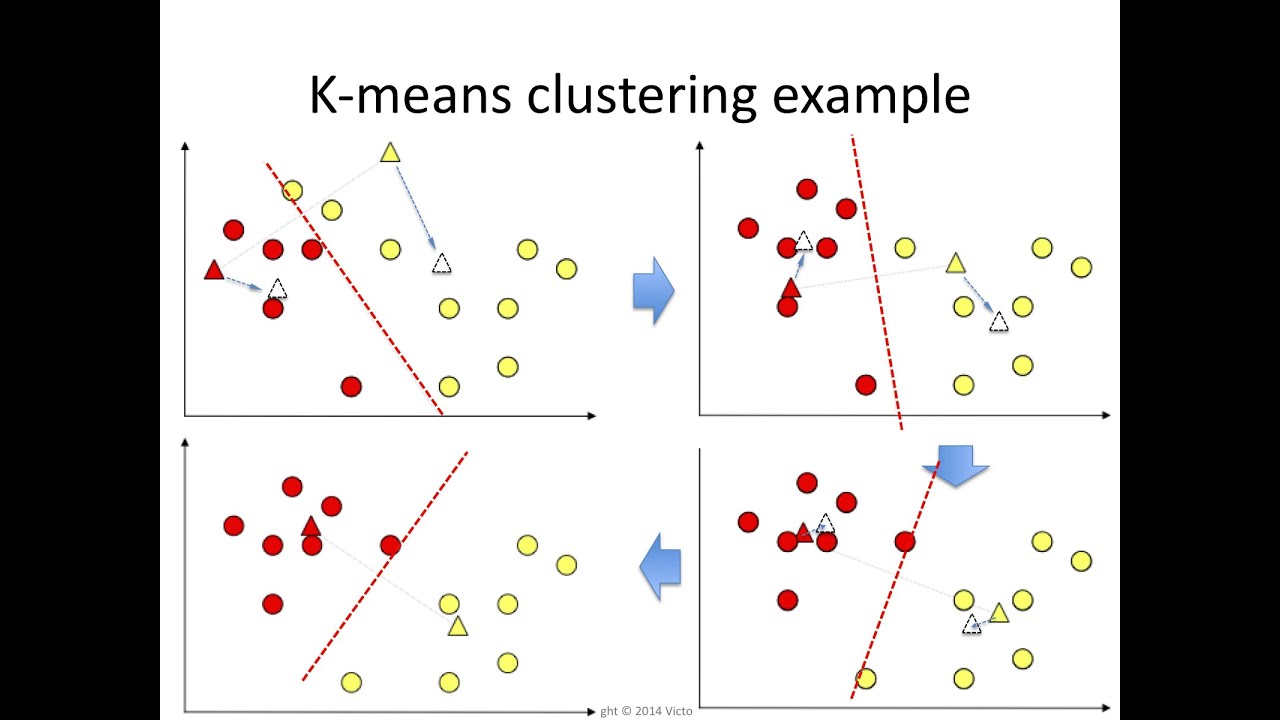
K-means clustering (Here is the Notebook)
Affinity propagation (showing its time complexity and the effect of damping factor) (Here is the Notebook)
Mean-shift technique (showing its time complexity and the effect of noise on cluster discovery) (Here is the Notebook)
DBSCAN (showing how it can generically detect areas of high density irrespective of cluster shapes, which the k-means fails to do) (Here is the Notebook)
Hierarchical clustering with Dendograms showing how to choose optimal number of clusters (Here is the Notebook)

Dimensionality reduction
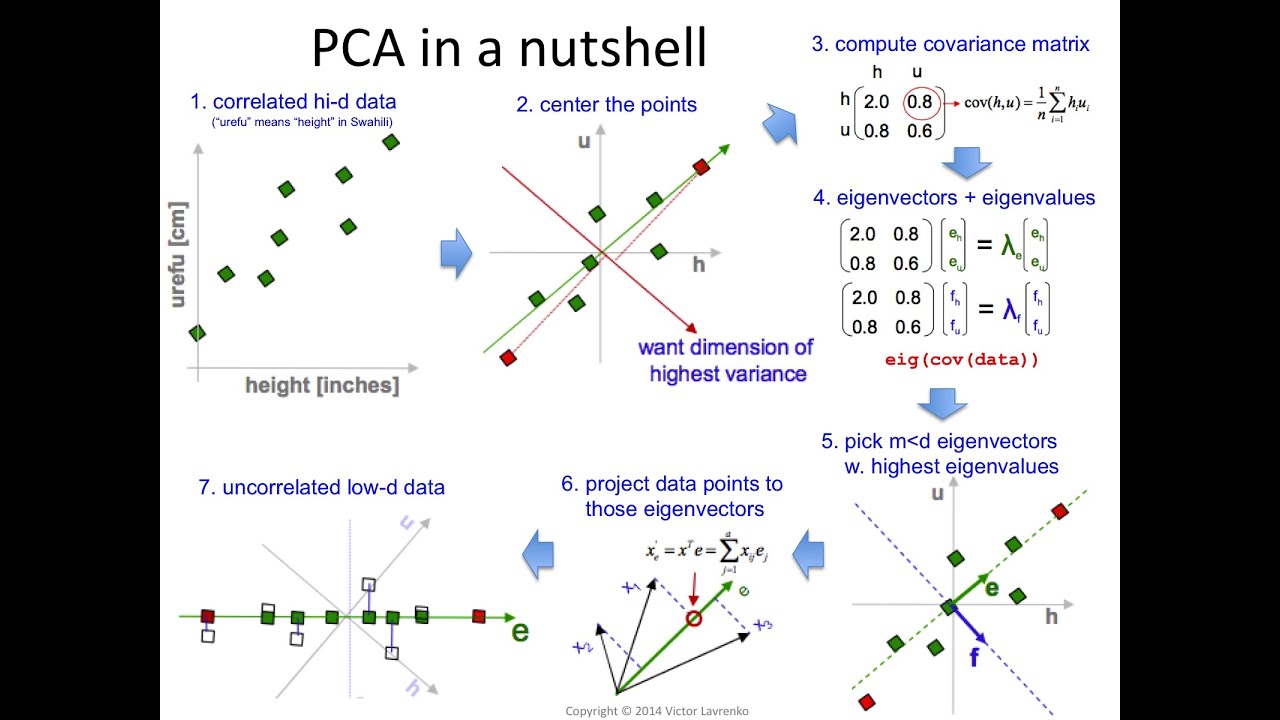
- Principal component analysis
Deep Learning/Neural Network
- Demo notebook to illustrate the superiority of deep neural network for complex nonlinear function approximation task
- Step-by-step building of 1-hidden-layer and 2-hidden-layer dense network using basic TensorFlow methods
Random data generation using symbolic expressions
How to use Sympy package to generate random datasets using symbolic mathematical expressions.
Here is my article on Medium on this topic: Random regression and classification problem generation with symbolic expression
Synthetic data generation techniques
Simple deployment examples (serving ML models on web API)
Serving a linear regression model through a simple HTTP server interface. User needs to request predictions by executing a Python script. Uses
FlaskandGunicorn.Serving a recurrent neural network (RNN) through a HTTP webpage, complete with a web form, where users can input parameters and click a button to generate text based on the pre-trained RNN model. Uses
Flask,Jinja,Keras/TensorFlow,WTForms.
Object-oriented programming with machine learning
Implementing some of the core OOP principles in a machine learning context by building your own Scikit-learn-like estimator, and making it better.
See my articles on Medium on this topic.
- Object-oriented programming for data scientists: Build your ML estimator
- How a simple mix of object-oriented programming can sharpen your deep learning prototype
Unit testing ML code with Pytest
Check the files and detailed instructions in the Pytest directory to understand how one should write unit testing code/module for machine learning models
Memory and timing profiling
Profiling data science code and ML models for memory footprint and computing time is a critical but often overlooed area. Here are a couple of Notebooks showing the ideas,