Skip to content
Categorías de proyectos

Aprendizaje automático · GitHub

Explora herramientas para entrenar, evaluar y ejecutar modelos, y compara el interés de la comunidad.

Proyectos útiles de GitHub

12,805 proyectos

DenseMatching

PruneTruong

757estrellas
DenseMatching preview

Dense matching library based on PyTorch

  • Common dense matching validation datasets for geometric matching (MegaDepth, RobotCar, ETH3D, HPatches), optical flow (KITTI, Sintel) and semantic matching (TSS, PF-Pascal, PF-Willow, Spair).
  • Scripts to analyse network performance and obtain standard performance scores for matching and pose estimation.

StyleCLIPDraw

pschaldenbrand

280estrellas

Styled text-to-drawing synthesis method. Featured at IJCAI 2022 and the 2021 NeurIPS Workshop on Machine Learning for Creativity and Design

Aprendizaje automáticoJupyter NotebookGPL-3.0GitHub

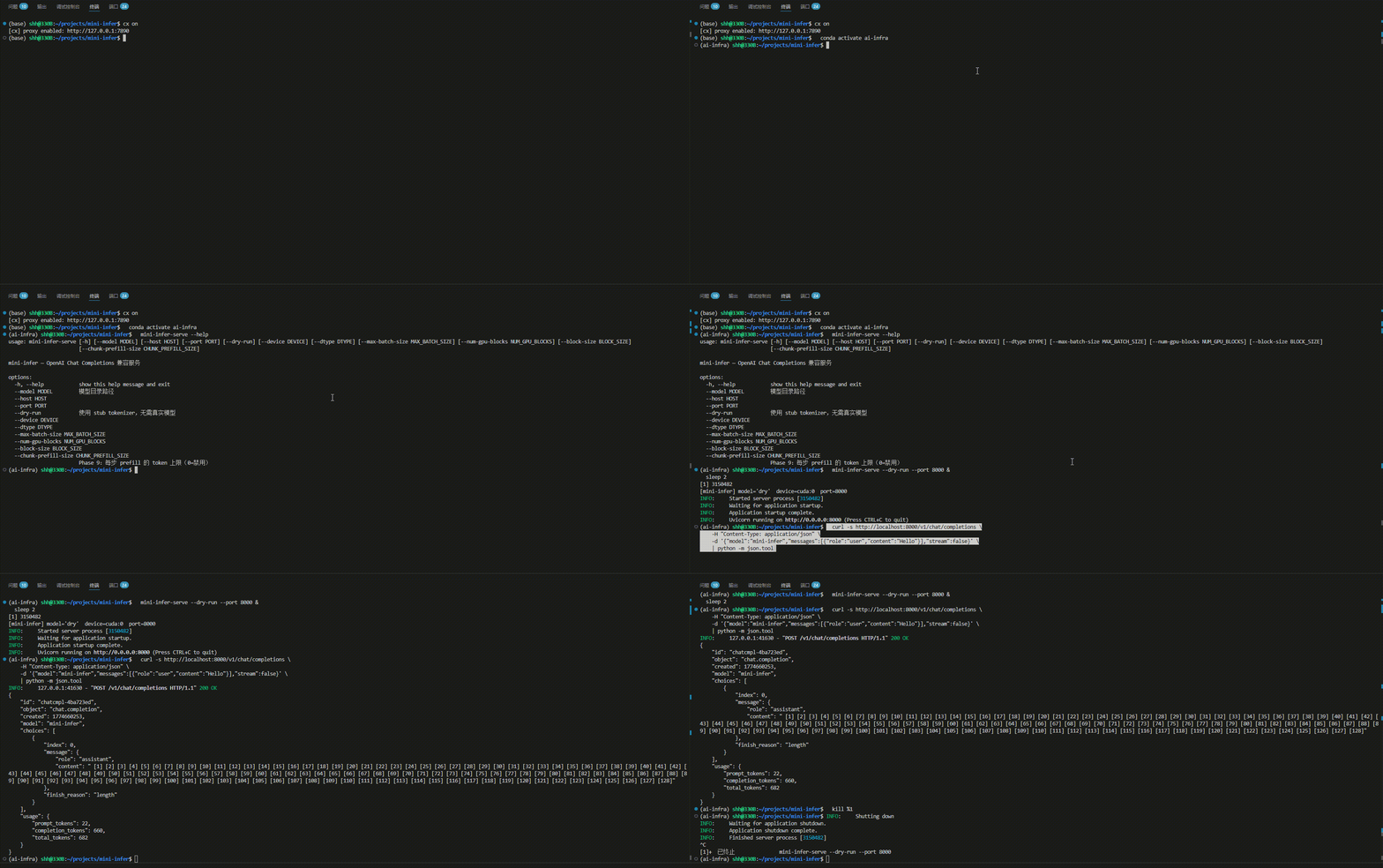
mini-infer

psmarter

220estrellas
mini-infer preview

LLM inference engine from scratch — paged KV cache, continuous batching, chunked prefill, prefix caching, speculative decoding, CUDA graph, tensor parallelism, OpenAI-compatible serving

ABAGAIL

pushkar

255estrellas

The library contains a number of interconnected Java packages that implement machine learning and artificial intelligence algorithms. These are artificial intelligence algorithms implemented for the kind of people that like to implement algorithms themselves.

PkBoost

Pushp-Kharat1

73estrellas

PKBoost: Adaptive GBDT for Concept Drift, Built from scratch in Rust, PKBoost manages changing data distributions in fraud detection with a fraud rate of 0.2%. It shows less than 2% degradation under drift. In comparison, XGBoost experiences a 31.8% drop and LightGBM a 42.5% drop

  • Extreme Imbalance Handling: Automatic class weighting and MI regularization boost recall on rare positives without reducing precision. Binary classification only.
  • Adaptive Hyperparameters: auto_tune_principled profiles your dataset for optimal params—no manual tuning needed.

dowhy

py-why

8,409estrellas

DoWhy es una biblioteca de Python para la inferencia causal que permite modelar y comprobar explícitamente los supuestos causales. Se basa en un lenguaje unificado para la inferencia causal que combina modelos gráficos causales y marcos de resultados potenciales.