
tingaicompass/AI-Compass
tingaicompass/AI-Compass has 995 GitHub stars and 134 forks. GitHot measured 0 stars in 24 hours. Last checked 2026-11-09 17:59 UTC. Last push 2026-11-06.
“AI-Compass”将为社区指引在 AI 技术海洋中航行的方向,无论你是初学者还是进阶开发者,都能在这里找到通往 AI 各大方向的路径。旨在帮助开发者系统性地了解 AI 的核心概念、主流技术、前沿趋势,并通过实践掌握从理论到落地的全过程。
Measured star growth
- in 24h
- 0
- in 7 days
- Update delayed
- in 15 days
- Update delayed
- in 1 month
- Update delayed
Net star changes over overlapping periods, not daily totals. Missing measurements are left blank. Stars measure attention, not software quality.
README-EN.md
Original






AI-Compass
AI-Compass is an open-source learning and practice ecosystem for the AI landscape. It helps both newcomers and experienced builders navigate major technical directions with curated resources, practical guidance, and a structure that supports long-term study and real project work.
The repository connects foundations with current practice across language and multimodal models, machine learning, computer vision, NLP, recommender systems, reinforcement learning, RAG, agents, GraphRAG, and engineering workflows from training and inference to product delivery.
AI Compass Knowledge Planet coupon
One-line installation through a coding agent
If you use Claude Code, Codex, Cursor, Windsurf, or another coding agent, send it the following prompt:
If AI-Compass is not already available on this machine, clone https://github.com/tingaicompass/AI-Compass.git first. Then follow https://raw.githubusercontent.com/tingaicompass/AI-Compass/main/Install.md to install it as a local knowledge-base skill that both Codex and Claude Code can use. When finished, report the installation path, verification results, and whether the client needs to be restarted.
This prompt instructs the coding agent to clone the repository when needed, run the root installation script, and verify the symbolic links. Afterward, you can ask it directly about AI technologies, models, projects, and weekly updates.
Contents
All links are directly accessible.
Project Positioning
AI-Compass aims to be a practical, current, and comprehensive AI learning and practice ecosystem. Its nine connected modules offer an end-to-end path from first principles to implementation, product thinking, and ongoing research.
Core Module Architecture
- Blog: structured technical articles, Python fundamentals, algorithm practice, and future LLM, interview, and enterprise-project guides.
- Code: runnable AI examples and demos, including RAG engineering projects that can be inspected, adapted, and discussed with coding agents.
- Basic Knowledge: AI navigation, prompt engineering, model leaderboards, language models, and multimodal models.
- Technical Frameworks: embeddings, training, inference and deployment, evaluation, and RLHF.
- Application Practice: MCP+A2A, RAG workflows, agents, GraphRAG, DeepSearch, NLP2SQL, and popular AI frameworks.
- Products and Tools: AI applications, products, competitions, and project recommendations.
- Learning Resources: courses, articles, academic tools, interview preparation, software, and technical specializations.
- Community and Platforms: learning platforms, technical communities, and ecosystem resources.
- Enterprise Open Source: Datawhale, Huawei, Tencent, Alibaba, and PaddlePaddle resources.
Who It Is For
- AI learners building a dependable map of the field.
- Developers looking for technical references and engineering patterns.
- Product managers researching AI product design and market cases.
- Researchers tracking emerging methods, benchmarks, and open resources.
- Enterprise teams evaluating technical routes and implementation options.
- Job seekers preparing with interview materials and project practice.
Submit a Resource
To submit an AI tool, open-source project, model service, learning resource, technical article, or community platform, open a GitHub Issue with the following information:
Title: Resource submission: <tool or project name>

Tool or project name:
Official website:
Suggested category:
One-sentence summary:
Key features:
- Capability 1
- Capability 2
- Capability 3
Target users / use cases:
Open source / free / paid:
Additional links:
Submitter notes:
Submissions with complete information, stable links, and a clear relationship to AI learning, development, or application practice receive priority. Commercial products are welcome when pricing, free-tier, or trial terms are stated clearly. Inclusion is based on quality, usefulness, and community value rather than paid placement.
Weekly Highlights
When using the repository as a knowledge base, start with latest.md for current questions and INDEX.md for historical lookup. Refer to TEMPLATE.md when creating a new issue.
Past issues
- NativeMind local assistant, Gen-CLI, and AI tools including Qianyin Manyu voice generation
- ChatGPT Agent, Kimi 2, Mistral speech models, Grok emotional companionship, Baidu Tizzy, and Youyan digital humans
- Qwen3 upgrades, ByteDance GR-3 robot, TRAE SOLO, JoyAgent OxyGent, and Z.ai presentation creation
- Kling Creative Studio, ByteDance Coze Studio and Coze Loop, Tongyi Wanxiang 2.2, GLM-4.5, and Hunyuan 3D world models
- Fun AI applications: Quin-AI tarot, FateTell AI fortune analysis, and the Love Pet Mailbox companion app
- Gemini Storybook, open gpt-oss reasoning models, Qwen-Image, RedOne social models, and Xiaomi MiDashengLM
- Qwen3-Coder, Ollama Desktop, Kimi K2, FLUX.1 Krea, Xiaoxingxu comics, and H+ medical AI
- Claude Opus 4.1, MiniMax-Speech 2.5, Qwen-Flash, and Google's Jules coding agent
- RynnVLA, GLM-4.5V, DreamVVT virtual try-on, WeKnora, GitMCP, and NeuralAgent
- DINOv3, DeepSeek-V3.1, Qwen-Image, Seed-OSS, CombatVLA, and VeOmni
- Qoder agentic coding, vivo Vision, AIRI, RM-Gallery, and Sim-Agent workflows
- NVIDIA Jetson Thor, Gemini 2.5 Flash Image, Youtu-agent, Wan2.2-S2V, and SpatialGen
- PixVerse V5, gpt-realtime, Grok Code Fast, HunyuanVideo, OmniHuman-1.5, and MiniCPM 4.5
- Nano Banana workflows, AgentScope, Hunyuan-MT-7B, HunyuanWorld-Voyager, and AudioStory
- Kimi K2, InfinityHuman, 3D AI desktop companions, and Die Die Club virtual companionship
- ByteDance Seedream 4.0, Qwen3-Max, EmbeddingGemma, OneCAT, and rStar2-Agent
- CodeBuddy Code, Jimeng 4.0, MiniCPM 4.1, Hunyuan 2.1, Qwen3-ASR, and SpikingBrain
- Qwen3-Next, Seedream 4.0, FireRedTTS-2, SRPO, and MiniMax Music 1.5
- IndexTTS2, HuMo, Stand-In, Youtu-GraphRAG, MobileLLM-R1, and PP-OCRv5
- GPT-5-Codex, Unitree world models, InfiniteTalk, ROMA, and Hunyuan 3D 3.0
- Nano Bananary, MCP Registry, Tongyi DeepResearch, VoxCPM, and InternVLA-M1
- TrafficVLM, DeepSeek-Terminus, Qwen3-Omni, Ant Ling, Wan2.2-Animate, and Qianfan-VL
- Qwen3-Max, Mixboard, Qwen3-VL, Audio2Face, Vidu Q2, and Qwen3-LiveTranslate
- DeepSeek-V3.2, Sora 2, Imagine v0.9, LONGLIVE, xLLM, and OpenAgents
- ChatGPT Atlas, Claude Code, Haiku 4.5, Veo 3.1, nanochat, and DeepSeek-OCR
- Cursor 2.0, Firefly Image 5, Agent HQ, LongCat-Video, and Kimi K2 Thinking
- Gemini 3, Grok 4.1, GPT-5.1, Qwen, and Lumine-3D open-world agents
- Nano Banana Pro, Gemini 3, HunyuanVideo 1.5, and Meta SAM 3D
- Open-AutoGLM, Z-Image, GLM-4.6V, and Kling 2.6 audio-video synchronization
- GPT-5.2, Qwen3 omni upgrades, Runway world models, and Zhipu's video-generation twins
- GLM-Claw, EdgeClaw Box, LongCat-Flash-Prover, and FramePraise private beta
- Veo 3.1 Lite, Qwen3.5-Omni, and DeerFlow 2.0
- Qwen3.6-Plus, Wan2.7-Video, and Gemma 4
- Claude Mythos, GLM-5.1, and LifeSim
- OmniShow, Gemini 3.1 Flash TTS, and Hunyuan 3D World Model 2.0
- HappyOyster, Qwen3.6-35B-A3B, and Claude Opus 4.7
- Qwen3.6-Max-Preview, ClawLess, and AgentScope Tuner
- GPT-5.5, DeepSeek-V4, Spark X2, Tencent offline translation, FlashQLA, and TIPSv2
- Grok 4.3, Flipbook, OpenLess, OfficeCLI, Career-Ops, and FlashQLA
- Claude Computer Use best practices, Lumen Flow, AGenUI, General365, InsForge, and agents-cli
- Gemini Omni Flash, Hy translation, Gemini Spark, Violin, LongCat-Video-Avatar 1.5, and GLM-5.1-highspeed
- Gamma-World, Claude Opus 4.8, Hermes Desktop, OmniVoice Studio, Bailian CLI, and Qwen-VLA
- PawBench, Miaoya, Open Code Review, Microsoft Scout, Gemma 4 12B, and Magenta RealTime 2
- Gemini 3.5 Live Translate, Claude Fable 5, SkillSpector, MiMo Code, HPC-Ops, and EvoQuality
- GPT-5.6, Qwen-AgentWorld, DSpark, BrowserBC, and Ornith-1.0
- Claude Fable 5 system prompts, SkillSpector, turbovec, academic research skills, and Qwen-Robot Suite
- FuckClaude, Claude Science, Hy3, Leap Dimension, and EdgeBench
- GPT-Live, SayIt, JellyToken, OpenScience, and InternAgentS
- Kimi K3, Qwen-Audio-3.0-Realtime, Colibri, StaffDeck, and Nemotron 3 Embed
- MineExplorer and WorkBuddy Bench bring agent evaluation into real tasks; Claude Opus 5 and Yuanji AI connect models to content delivery
- Orchard, Warp Agent CLI, and WorldClaw accelerate controlled delivery; SmartSub and Wan-Animate-2 expand multimodal production
- PixelRAG, DeepSeek Harness, Nemotron 3.5 Lightning, and Muse Glimmer shift AI delivery toward efficient, verifiable multimodal agents
Latest Issue
Issue 52 · 2026-08-17 · AI Compass Weekly 21 items · 8 highlights · 3 themes · approximately 3 minutes
Theme
Model capabilities are becoming distinct, verifiable delivery choices.
This week is not simply about larger models; capabilities are separating into deployable choices. Qwen3.8-27B provides native multimodal understanding and long context, while GLM-5.3 uses post-training scaling for coding. Gemini 3.7 Flash targets code and agent workflows, and Grok 4.6 pairs 1.5T parameters with a 500K-token context window. WorkSwarm brings multi-agent collaboration into office and coding spaces, while img2threejs turns a product image into an interactive Three.js asset. Teams should evaluate foundation models, workflows, and output chains separately against context, code, multimodal delivery, and local-execution constraints.
Highlights
Foundation Model Selection Is Splitting into Scenario-Specific Delivery
- Qwen3.8-27B
- Update: Alibaba's new open model supports native multimodal understanding and long-context processing.
- Why it matters: Teams that handle text, images, and long documents can evaluate it as a unified foundation-model candidate.
- GLM-5.3
- Update: Shares its base with GLM-5.2 and uses post-training scaling to improve capability and coding performance.
- Why it matters: Coding-model evaluations should compare task gains from post-training, not only pretraining scale.
- Gemini 3.7 Flash
- Update: Targets code development and agent automation workflows, with improved software-engineering and web-development benchmarks.
- Why it matters: High-frequency development automation can be tested against existing tool-calling, speed, and pricing constraints.
- Grok 4.6
- Update: Uses a 1.5T-parameter MoE architecture, offers a 500K-token context window, and accepts text and images.
- Why it matters: Cross-repository and long-horizon tasks need explicit acceptance criteria for context capacity and response speed.
Multi-Agent Systems Are Moving Toward Controlled Collaboration and Local Boundaries
- WorkSwarm
- Update: Provides office and coding spaces for multi-agent collaboration and reduces token use through context slimming.
- Why it matters: Organizations can test whether role-based collaboration actually lowers manual orchestration and operating costs.
- wigolo
- Update: An open, local-first agent network layer that connects coding agents through MCP for multi-engine search.
- Why it matters: Teams with strict data boundaries can evaluate local retrieval and unified access instead of scattered external-search calls.
Multimodal Creation Is Producing Reusable Production Assets
- MiniMax Music 3.0
- Update: Generates complete 32kHz stereo songs of up to five minutes from lyrics and structured descriptions.
- Why it matters: Content teams can establish reusable audio-production workflows instead of treating generation as a one-off ideation tool.
- img2threejs
- Update: Reconstructs one product image into an interactive, animation-ready Three.js model with TypeScript and JSON output.
- Why it matters: Commerce, web, and prototyping teams can validate asset editability and front-end integration cost directly.
Module Guide
Blog
11.blog / 1.coding programming collection
The blog module develops practical programming ability. Its current core is a structured Python and LeetCode collection: 19 focused Python lessons and 107 high-frequency problem walkthroughs spanning arrays, hashing, two pointers, sliding windows, linked lists, stacks, trees, binary search, backtracking, dynamic programming, graphs, tries, and heaps. Future additions include LLM guides, interview preparation, and enterprise-project explanations.
Code
11.code / Milvus RAG engineering example
The code module contains runnable and adaptable AI engineering examples. The Milvus / Zilliz Cloud RAG demo covers configuration, OpenAI embeddings, Gemini query rewriting, dense-vector and BM25 hybrid retrieval, RRF fusion, Cohere reranking, an LLM answer chain, and end-to-end tests. It is designed both for learning RAG systems and for code-level analysis with Claude Code or Codex.
Basic Knowledge
This module is the repository's entry layer for discovery, prompts, model comparison, language models, and multimodal models. Use it with weeklyHighlights: module pages provide stable knowledge, while weekly issues provide recent additions.
0. AI Navigation Toolset
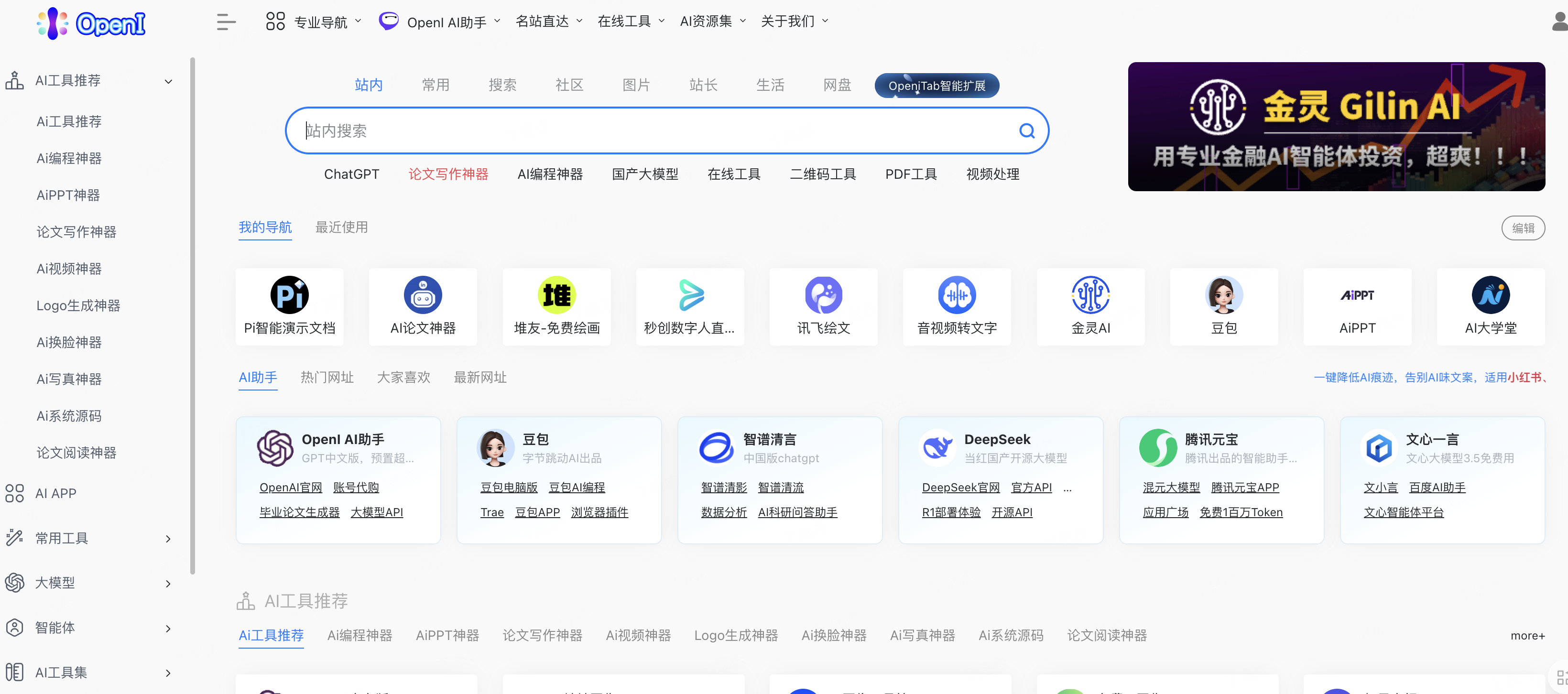
Use this directory to build a first map of available AI tools before evaluating individual products. It covers navigation sites, developer communities, tool collections, and product discovery resources for writing, coding, image, video, audio, search, and automation workflows.
1.1 Prompt Engineering
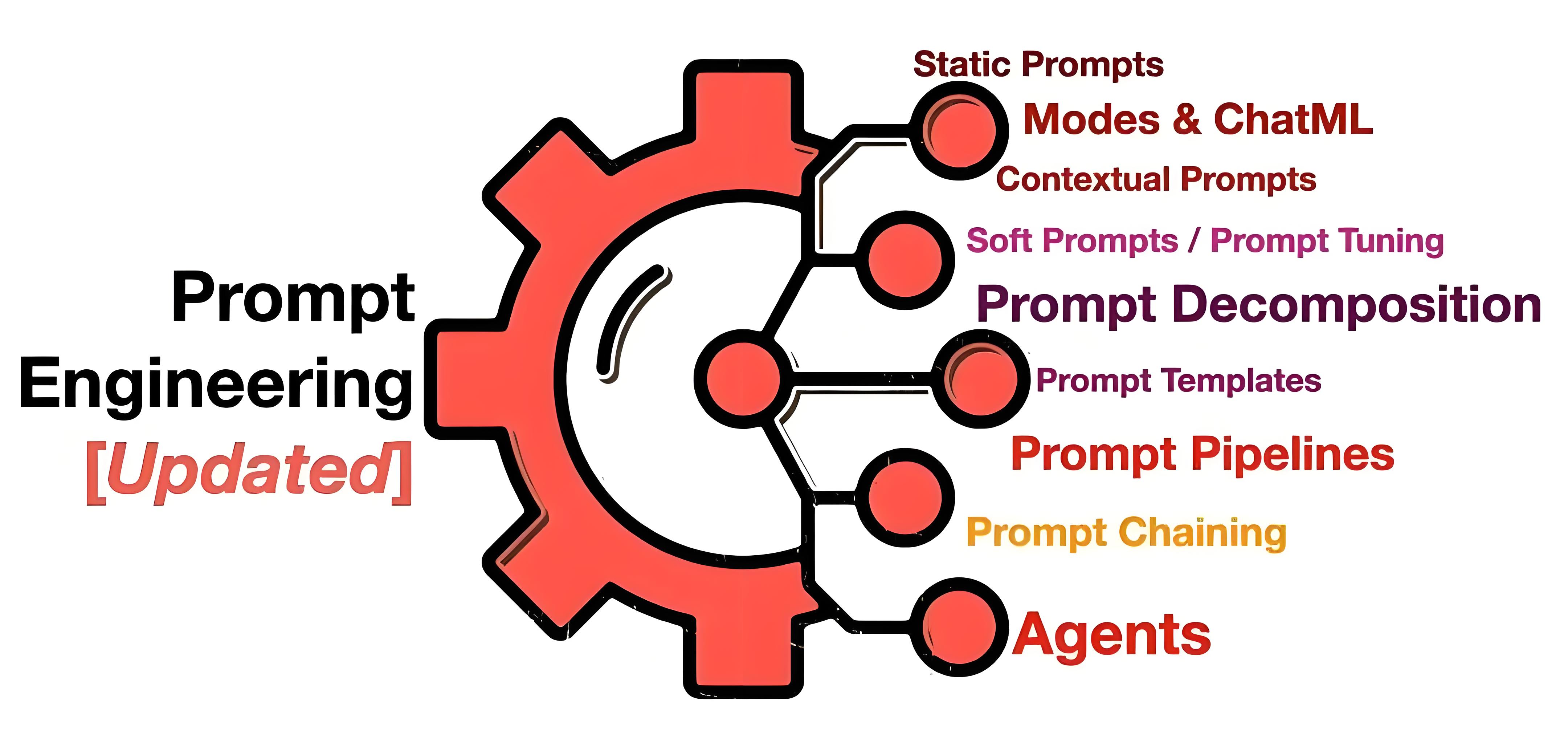
This directory moves from asking better questions to reusable, testable, and iterative prompt workflows. It covers role design, context, objectives, constraints, output formats, few-shot examples, reasoning patterns, prompt testing, optimization, safety boundaries, and project rules for AI coding environments.
1.2 LLM Evaluation Leaderboards
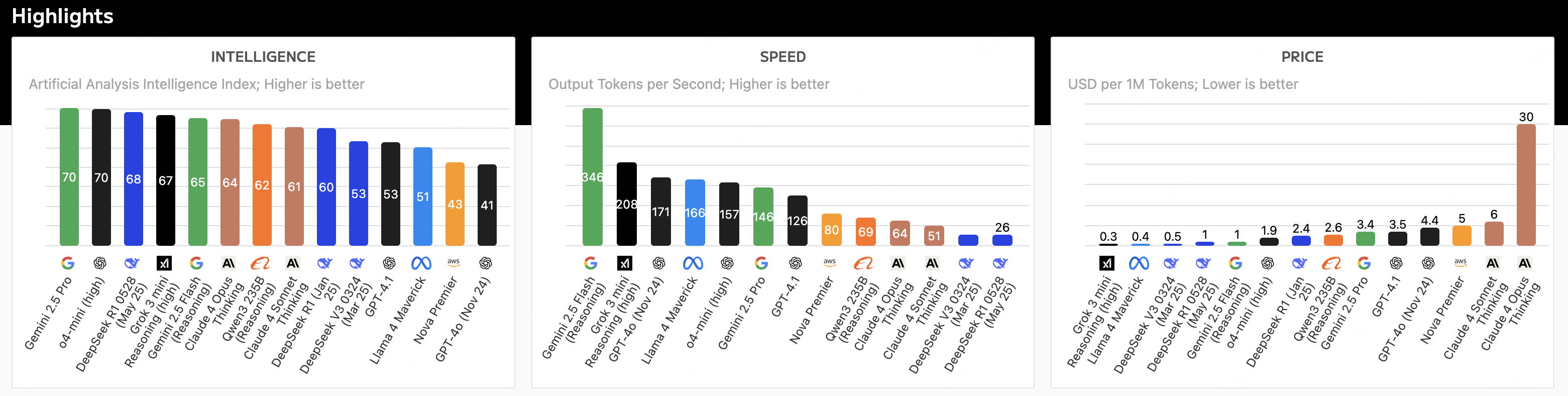
Use the leaderboards to compare models by task rather than by a single overall rank. The collection includes general dialogue, coding, mathematics, Chinese-language ability, RAG, multimodal, and agent benchmarks such as LMArena, LiveCodeBench, OpenCompass, SuperCLUE, MMBench, and GAIA.
1.3 Language Model Collection
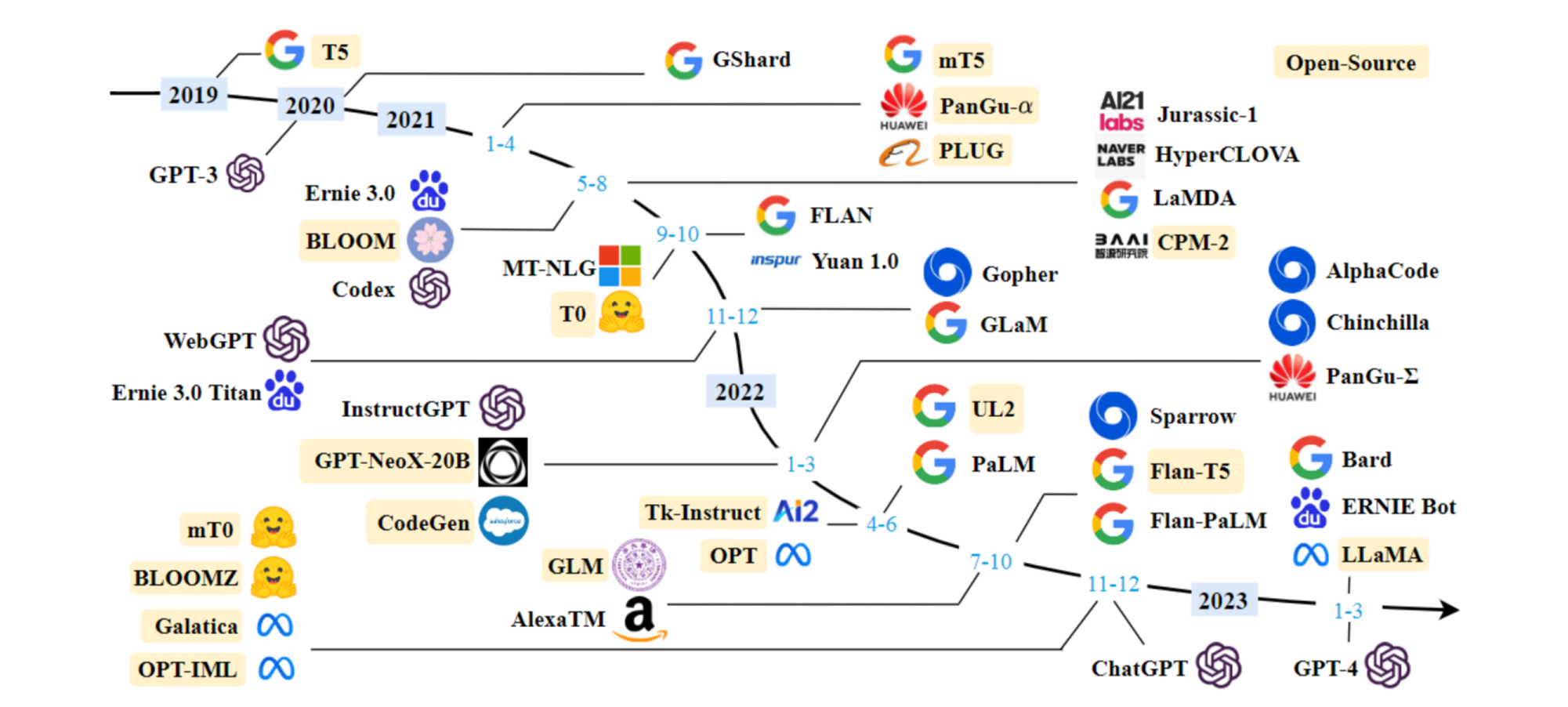
This index links official sites, APIs, repositories, model hubs, demos, and technical notes for domestic and international language-model ecosystems. It is a starting point for assessing openness, local deployment, context length, reasoning, coding, agent abilities, multilingual support, and API availability.
1.4 Multimodal Model Collection
This directory follows multimodal models for image and video generation, vision understanding, OCR, speech, 3D, digital humans, world models, and device-side deployment. It is useful for comparing capability boundaries and choosing models for creative, document, and interactive applications.
Technical Frameworks
2.0 Embedding Models
Resources for semantic retrieval, vectorization, reranking, and embedding-model selection in RAG and search systems.
2.1 LLM Training Frameworks
Frameworks and practical references for pretraining, fine-tuning, distributed training, data processing, and training-system engineering.
2.2 LLM Inference Frameworks and Deployment
Tools and practices for efficient serving, quantization, acceleration, local deployment, and production inference.
2.3 LLM Evaluation Frameworks
Evaluation systems for quality, safety, task performance, and application-level model validation.
2.4 RLHF
References for preference alignment, reward modeling, reinforcement learning, and post-training methods.
Application Practice
3.0 MCP+A2A
Protocols and practices for connecting AI systems to tools, data, and other agents through MCP and agent-to-agent collaboration.
3.1 RAG + Workflow
Architectures and tooling for retrieval-augmented generation, knowledge workflows, and production RAG applications.
3.2 Agents
Agent frameworks, coding agents, multi-agent collaboration, planning, memory, tool use, evaluation, and real-world automation practices.
3.3 DeepSearch
Resources for deep research, multi-step search, evidence synthesis, and research-oriented agent workflows.
3.4 GraphRAG
Knowledge-graph-enhanced retrieval and reasoning patterns for complex enterprise and research questions.
3.5 NLP2SQL
Methods and products that turn natural-language questions into reliable database queries and data-analysis workflows.
3.6 AI Popular Frameworks
A curated set of commonly used AI development frameworks and engineering references.
Products and Tools
4. AI Applications
Practical AI applications across coding, content creation, productivity, design, research, and vertical domains.
5. AI Products
Product-oriented resources spanning AI MaaS, search, agent products, design, knowledge management, marketing, and digital-human systems.
Learning Resources
6. AI-LLM Competitions
Competition resources for model research, engineering practice, datasets, and community challenges.
6. AI Courses
Structured courses and learning paths for AI fundamentals, large models, and hands-on development.
7. AI Project Recommendations
Curated open-source projects for study, technical investigation, and implementation inspiration.
8.0 Python · 8.1 AI Databases · 8.2 AI Visualization
Core implementation resources for Python, vector and AI databases, visualization, and data-oriented engineering work.
8.3 Machine Learning · 8.4 Computer Vision · 8.5 Recommender Systems
Technical foundations and project references for machine learning, visual intelligence, and recommender systems.
8.6 Reinforcement Learning · 8.7 Knowledge Graphs
Advanced learning resources for decision-making systems, graph computation, knowledge engineering, and graph-based AI applications.
Community and Platforms
9. Learning Platforms · Article Collections · Community Forums
Platforms and communities for continuous learning, technical reading, discussions, open-source participation, and AI ecosystem discovery.
Academic Tools · Interviews · Software
Resources for research, academic productivity, interview preparation, and useful development software.
Enterprise Open Source
10. Datawhale
Community-driven tutorials, open-source projects, and practical learning initiatives.
10. Huawei Open Source · Tencent · Alibaba Open Source
Enterprise open-source ecosystems, including model platforms, agent frameworks, cloud tools, and engineering projects.
10. PaddlePaddle
The PaddlePaddle ecosystem spans deep-learning frameworks, NLP, computer vision, speech, recommendation, model services, and industrial AI practice.
Future Vision
AI-Compass will continue to follow AI research, products, and engineering practice, while improving the quality and reuse value of its long-term topic pages and weekly highlights.
Follow AI Compass on WeChat
Curated AI updates, practical technical analysis, and implementation cases are published through the project's WeChat channel.
Join AI Compass Knowledge Planet
The Knowledge Planet community provides deeper tutorials, project practice, higher-frequency updates, expert Q&A, and technical discussion.
Technical Blogs |
Social Media |
Star History
AI-Compass - Your AI Navigation Compass
Explore the infinite possibilities of artificial intelligence.
If this project helps you, please give it a star.
Explore related projects
affaan-m/ECC
The agent harness performance optimization system. Skills, instincts, memory, security, and research-first development for Claude Code, Codex, Opencode, Cursor and beyond.
300,670 starsNousResearch/hermes-agent
The agent that grows with you
262,385 starsmultica-ai/andrej-karpathy-skills
A single CLAUDE.md file to improve Claude Code behavior, derived from Andrej Karpathy's observations on LLM coding pitfalls.
231,796 starsfirecrawl/firecrawl
Supercharge your AI agents with data from the web and beyond. Building the library for superintelligence. 🔥
200,178 stars