
cocofhu/grasp
cocofhu/grasp has 367 GitHub stars and 35 forks. GitHot measured 0 stars in 24 hours. Last checked 2026-11-10 01:24 UTC. Last push 2026-11-07.
Grasp helps you manage multiple projects and parallel coding agents in one visual workflow, so humans can understand faster and ship more.
What you can do
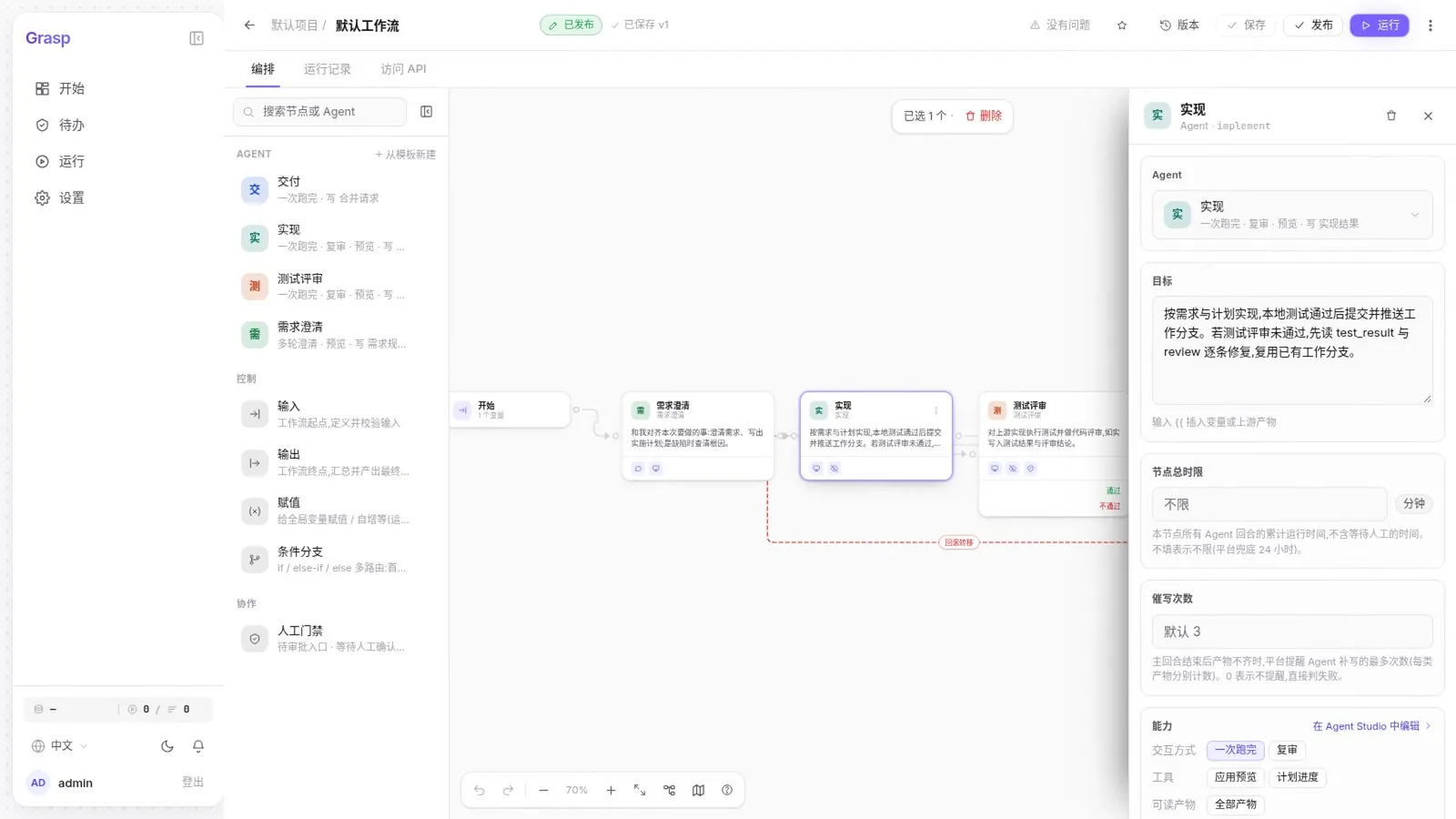
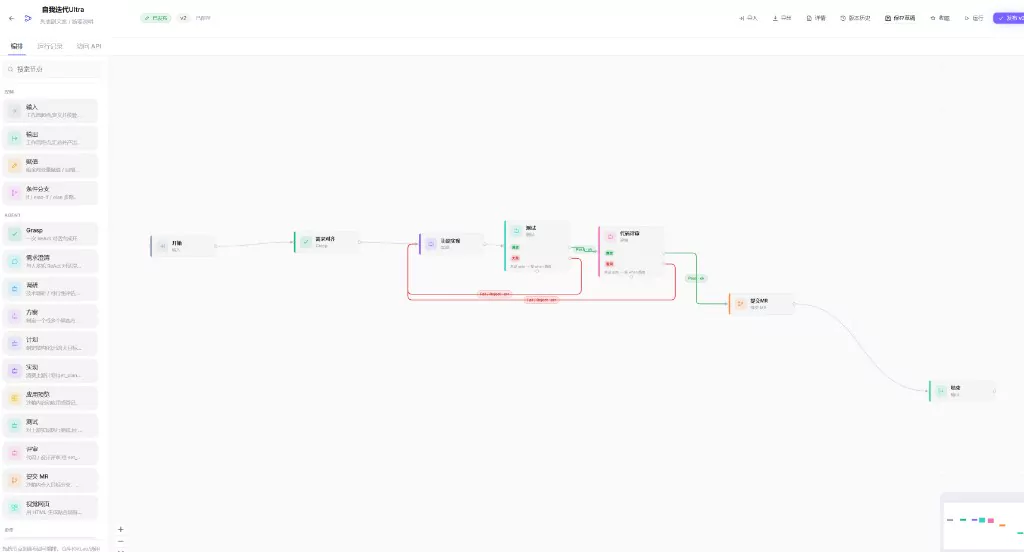
- FSM workflow canvas: Six node types (agent, input, output, assign, branch, human gate), with explicit success, fail, and rollback edges, when guards, and checkpoints.
- Visual requirement clarification: Start a task from the home page with one sentence. A clarify agent aligns on scope through multi-turn Q&A and produces a structured spec, execution plan, and optional page.html preview.
- Human gates and unified inbox: Runs pause at gate nodes for approval or rejection from a single inbox; one-time share links let reviewers without an account inspect and approve.
- Structured artifacts (Artifact MCP): Artifacts are isolated per run. Nodes must submit their declared required artifacts before the engine transitions forward.
Measured star growth
- in 24h
- 0
- in 7 days
- Collecting history
- in 15 days
- Collecting history
- in 1 month
- Collecting history
Net star changes over overlapping periods, not daily totals. Missing measurements are left blank. Stars measure attention, not software quality.
README.md
Original
Coding agent workflow orchestration with human approval gates in one workspace


English | 简体中文
Website · Quick start · Features · Architecture · Docs · Contributing
This release requires a fresh install: an empty database and an empty data directory.
Why Grasp
Over the past two years I built 150+ personal projects with coding agents, and two problems kept slowing me down:
- Switching across projects is expensive: bouncing between IDEs makes it hard to track which project is running and where it stopped.
- Parallel agent output is hard to read: models dump long walls of text, burying the actual changes and open questions in chat logs.
I built Grasp to manage coding work in one workspace. It wires coding agents into workflows on a finite-state-machine (FSM) canvas, clarifies requirements before code is written, and turns verbose agent output into structured artifacts and visual previews that are quick to review at approval gates.
Supported agent backends: Cursor, Claude Code, CodeBuddy, Trae, OpenCode, and Codex. Each agent step runs inside an isolated Docker sandbox.
Demo
https://github.com/user-attachments/assets/47728d1f-54a1-485e-967e-28d8c716ed36
Features
- FSM workflow canvas: Six node types (agent, input, output, assign, branch, human gate), with explicit
success,fail, androllbackedges,whenguards, and checkpoints. - Visual requirement clarification: Start a task from the home page with one sentence. A clarify agent aligns on scope through multi-turn Q&A and produces a structured spec, execution plan, and optional
page.htmlpreview. - Human gates and unified inbox: Runs pause at gate nodes for approval or rejection from a single inbox; one-time share links let reviewers without an account inspect and approve.
- Structured artifacts (Artifact MCP): Artifacts are isolated per run. Nodes must submit their declared required artifacts before the engine transitions forward.
- Docker sandboxes and Git delivery: Agents run in isolated containers and can push branches or open PRs / MRs via
gh,glab, or SSH. - Observability: State transition timeline, node handoff notes, sandbox logs, live desktop preview (noVNC), and token / cost tracking by workflow, source, and model.
 |
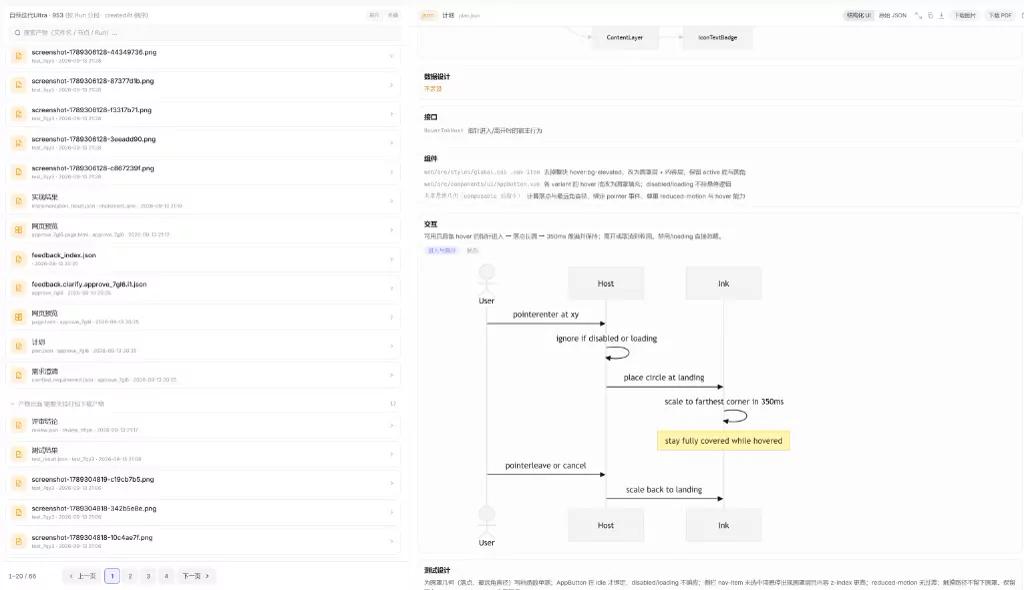 |
| Workflow canvas | Artifact review |
 |
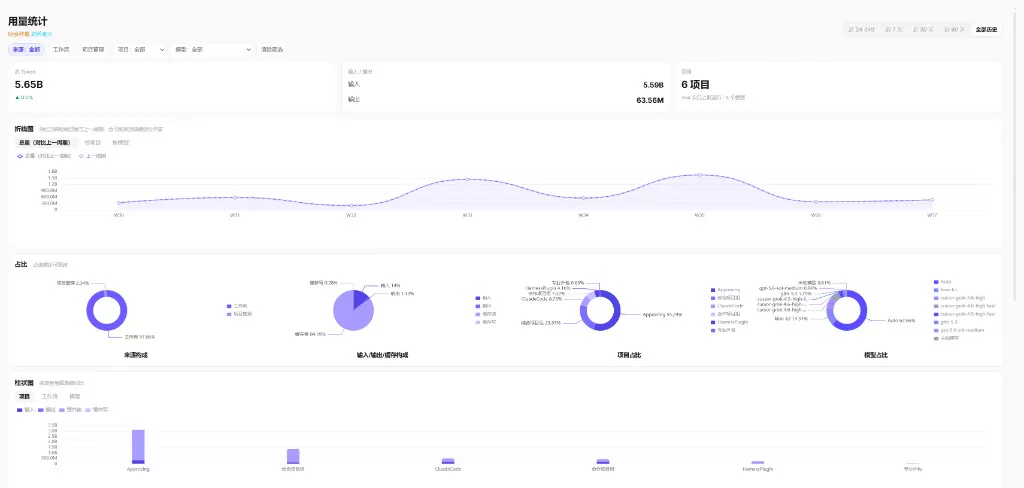 |
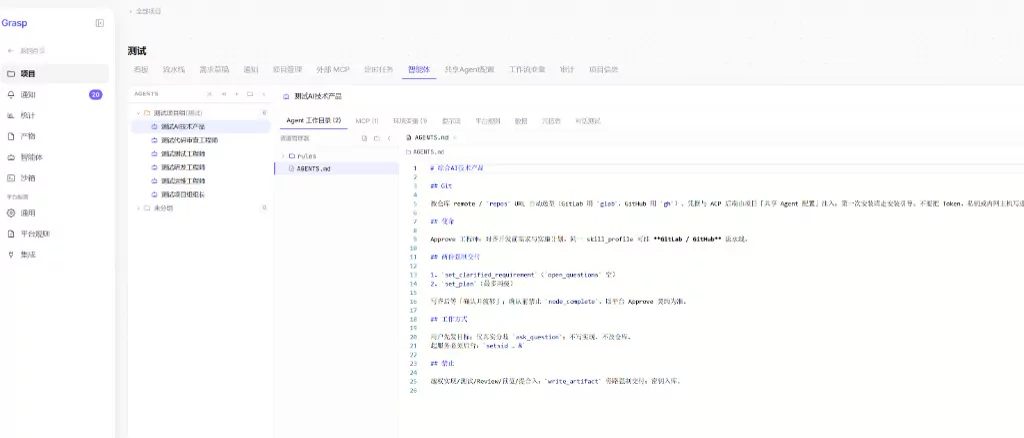
| Agent Studio | Token usage |
Quick start
Requirements: a Linux host with Git, Docker, and Docker Compose (services use host networking).
git clone https://github.com/cocofhu/grasp.git
cd grasp
./start.sh -d
This pulls the published GHCR images without building locally. Once started:
- Web UI / API: http://localhost:8080
- API health: http://localhost:8080/api/health
- Gateway health: http://localhost:8899/healthz
The default login is admin / demo1234 (for local evaluation only; configure your own users for shared or production setups). The sandbox runtime image is pulled on first sandbox creation, or ahead of time with ./start.sh pull.
Running your first workflow
- Sign in with the demo account. Opening the workspace for the first time launches the setup wizard.
- In Settings → Credentials, save a tool platform credential or a model service key with a preset or custom API base. In the Models tab, save a named combination of coding tool, credential and selected model, then choose that configuration in Agent Studio. Supported tools are Cursor, Claude Code, CodeBuddy, Trae, OpenCode, Codex and DeepSeek Harness; third-party protocols are filtered by tool support. Codex accepts a ChatGPT
~/.codex/auth.jsonlogin file or a Responses connection. Git credentials are optional. Finishing the first-time setup wizard creates the default agent team and publishes the default workflow (Clarify → Implement → Test & review). - Start a run from the home page with a single prompt, or open the canvas to customize nodes and
success/fail/rollbackedges. - When a run pauses at a human gate, review the spec, preview page, or code diff from the inbox to approve or reject.
Common commands
./start.sh logs        # follow logs
./start.sh gw-logs     # gateway logs only
./start.sh restart     # restart in background
./start.sh down        # stop and remove containers
./start.sh pull        # update service images and pre-pull sandbox runtime
./start.sh dev -d      # run source stack (Go + Vite HMR)
Image tags and digests can be overridden in .env; see .env.example.
Bundled role agents
agents/ includes five prebuilt roles: PMAgent, ClarifyAgent, ImplementAgent, TestReviewAgent, and DeliverAgent.
./agents/pack.sh               # pack all into agents/dist/
./agents/pack.sh ClarifyAgent  # pack a single role
Import the generated ZIPs in Agent Studio. ZIP import currently defaults acpBackend to cursor; update the backend in the UI after importing if needed.
Architecture
flowchart LR
    UI["Web UI<br/>Vue 3 + Vue Flow"] <--> S["Go server<br/>FSM engine · API · MCP · SQLite"]
    S <--> G["sandbox-gateway<br/>sandbox control plane"]
    G --> B["Docker sandbox<br/>ACP bridge + agent CLI"]
    B -- "artifacts (Artifact MCP)" --> S
Typical delivery workflow (with failure and rollback paths defined on the same canvas):
Clarify → Research → Human gate
        → Plan → Implement → Test → Review
        → Human confirm → PR / MR
Repository layout:
web/— Vue 3 + Vue Flow frontend (workflow canvas, home clarification, run details, inbox, Agent Studio)server/— Go backend (FSM engine, HTTP API, SQLite, Artifact MCP, scheduler, audit)sandbox-gateway/— Sandbox lifecycle control plane (gateway/) and universal sandbox image/runtime (sandbox/)agents/— Importable role agent workspacesdocs/— Project website and bilingual help docs
Service configuration precedence: environment variables > mounted config file > code defaults. Runtime secrets (ACP API keys, Git tokens, SSH private keys) are managed exclusively in the workspace credentials settings and injected per run, never from the server's process environment.
Deployment notes
E2B (third sandbox deployment): use the independent E2B deployment guide and
compose.e2b.yamlfor E2B Cloud or a compatible self-hosted control plane. It requires prepared environment templates, persistent gateway state and a separate wildcard preview site. Existing Docker and Kubernetes deployments keep their defaults.Store API keys and Git credentials only in the workspace credentials settings; never commit them to the repository.
Pin images by digest in production; see Release images and smoke.
Preserve the original
Hostheader, including a non-default port, behind a reverse proxy (e.g. nginxproxy_set_header Host $http_host). Temporary approval share links and the origin check for signed-in requests use it. See SECURITY.md.Workspace pages cannot be embedded in an iframe. To embed them in a portal, list its origin in
GRASP_FRAME_ANCESTORS; see CONFIGURATION.md.SQLite (
./.localdata/db) and attachments (./.localdata/app-data) are mounted separately. Back them up and clean them up together so existing runs do not end up with brokenblob:references.
Docs
Contributing
Issues and pull requests are welcome. Please read CONTRIBUTING.md, AGENTS.md, and the Code of Conduct for module lint, test, and E2E commands before submitting changes.
License
MIT © 2026 cocofhu
Explore related projects
affaan-m/ECC
The agent harness performance optimization system. Skills, instincts, memory, security, and research-first development for Claude Code, Codex, Opencode, Cursor and beyond.
300,257 starsNousResearch/hermes-agent
The agent that grows with you
262,089 starsmultica-ai/andrej-karpathy-skills
A single CLAUDE.md file to improve Claude Code behavior, derived from Andrej Karpathy's observations on LLM coding pitfalls.
231,379 starsfirecrawl/firecrawl
Supercharge your AI agents with data from the web and beyond. Building the library for superintelligence. 🔥
199,847 stars