
aradfarahani/Seismology
aradfarahani/Seismology has 31 GitHub stars and 4 forks. GitHot measured 0 stars in 24 hours. Last checked 2026-11-15 14:27 UTC. Last push 2026-11-12.
What you can do
- Data Preprocessing: Streamlined tools for cleaning, formatting, and preparing seismic datasets.
- Machine Learning Models: State-of-the-art ML implementations for detecting and classifying seismic events.
- Visualization: Interactive and insightful visualizations of seismic data and model predictions.
- Benchmarking: Standardized evaluation metrics and benchmarks to assess model performance.
Measured star growth
- in 24h
- 0
- in 7 days
- Collecting history
- in 15 days
- Collecting history
- in 1 month
- Collecting history
Net star changes over overlapping periods, not daily totals. Missing measurements are left blank. Stars measure attention, not software quality.
About
This collection of scripts is designed to assist seismologists and geophysicists in their research and data analysis. Whether you’re processing seismic data, visualizing waveforms, or performing complex analyses, these tools will help streamline your workflow.
Machine LearningREADME.md
OriginalSeismology
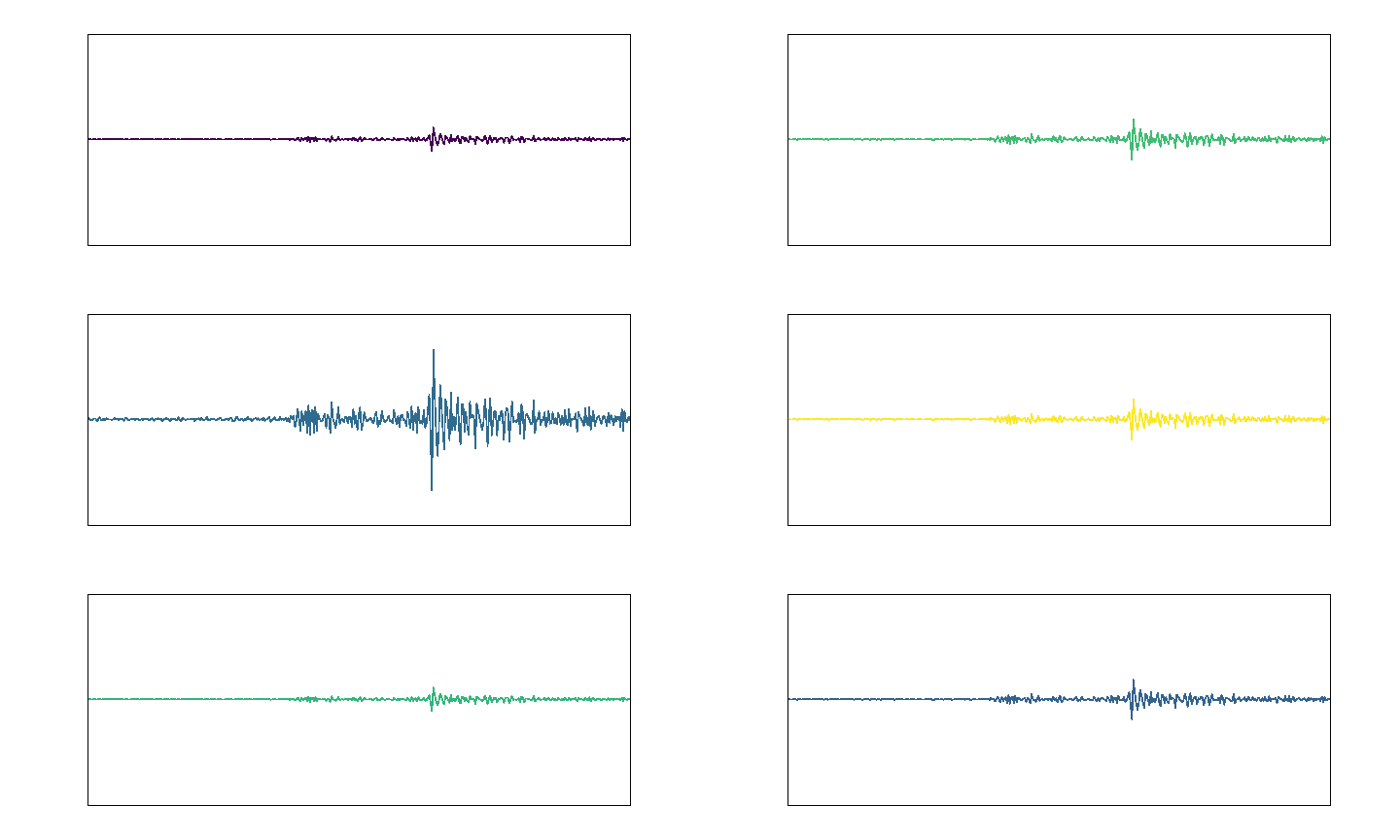
Coming Soon! Stay tuned for exciting updates!
Welcome to the Seismology repository! This project explores the intersection of machine learning and seismology, providing tools and resources to analyze seismic data, enhance earthquake detection, and improve event characterization.
Table of Contents:
Introduction
The Seismology project harnesses the power of machine learning to revolutionize seismic data analysis. Our mission is to develop robust algorithms and tools that improve the accuracy, efficiency, and scalability of earthquake detection and seismic event characterization, benefiting researchers, scientists, and disaster preparedness efforts worldwide.
Features
- Data Preprocessing: Streamlined tools for cleaning, formatting, and preparing seismic datasets.
- Machine Learning Models: State-of-the-art ML implementations for detecting and classifying seismic events.
- Visualization: Interactive and insightful visualizations of seismic data and model predictions.
- Benchmarking: Standardized evaluation metrics and benchmarks to assess model performance.
Data Sources
This project leverages the following publicly available datasets:
- ObsPy Seismic Data: Sample seismic waveforms for testing and development.
- USGS Earthquake Data: Real-time and historical earthquake records (magnitude 2.5+ over the past month).
Additional datasets may be integrated as the project evolves—stay tuned!
Installation
To set up the Seismology project locally, follow these steps:
Clone the repository:
git clone https://github.com/aradfarahani/Seismology.git
cd Seismology
Install dependencies (requirements will be added soon—check back for updates!):
pip install -r requirements.txtVerify the setup (instructions forthcoming as the project develops).
Usage
Detailed usage instructions will be provided once the core functionality is released. For now, explore the repository structure and sample data to get familiar with the project. Example workflows and scripts will be added in upcoming updates.
Contributing
We warmly welcome contributions from the community! To contribute:
- Fork the repository.
- Create a feature branch:
git checkout -b feature/your-feature-name - Implement your changes.
- Commit your work:
git commit -m "Add your concise commit message" - Push to your branch:
git push origin feature/your-feature-name - Submit a pull request via GitHub.
Please adhere to the Contributor Covenant Code of Conduct to ensure a collaborative and inclusive environment.
License
This project is licensed under the MIT License. See the LICENSE file for details.
Acknowledgements
A heartfelt thank you to:
- The open-source community for their invaluable tools and inspiration.
- Contributors who are helping shape this project.
- Organizations like ObsPy and the USGS for providing accessible seismic data.
Stay tuned for more updates as we continue to build and refine Seismology!