
heptameta/heptabase-explainer-studio has 34 GitHub stars and 2 forks. Star changes are not measured yet. Last checked 2026-11-14 02:47 UTC. Last push 2026-11-09.
計測したスター増加
- 24時間
- 履歴を収集中
- 7日間
- 履歴を収集中
- 15日間
- 履歴を収集中
- 1か月
- 履歴を収集中
期間ごとの純増数です。期間は重複しており、日別の値ではありません。未計測の値は空欄です。スター数は注目度の指標であり、品質の保証ではありません。
概要
Turn any material into explainer videos, with your coding agent.
学習README.md
オリジナル

Turn any material into explainer videos, with your coding agent.
Give your coding agent lecture notes, a book chapter, a paper, a design document or a codebase. It works out who the videos are for and plans a series of episodes, each answering one question. Explainer Studio then makes the narrated, animated episodes on your computer, rendered with ManimGL, the engine behind 3Blue1Brown's videos. Runs on macOS, Windows and Linux.
Moments from the five one-minute demos below. Watch them with sound.
How it works
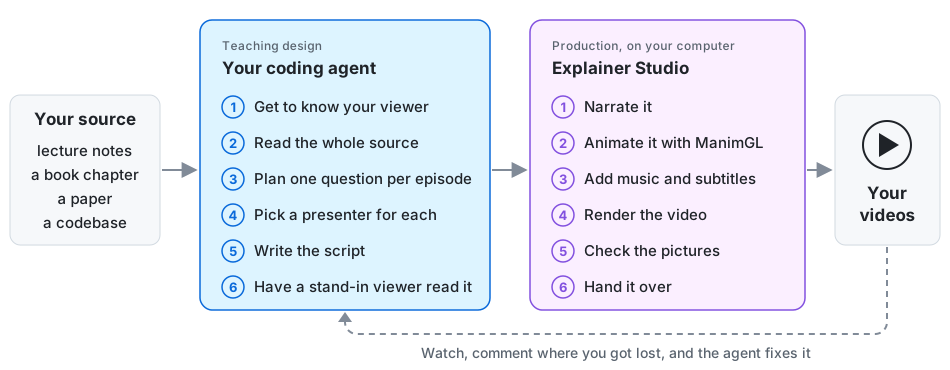
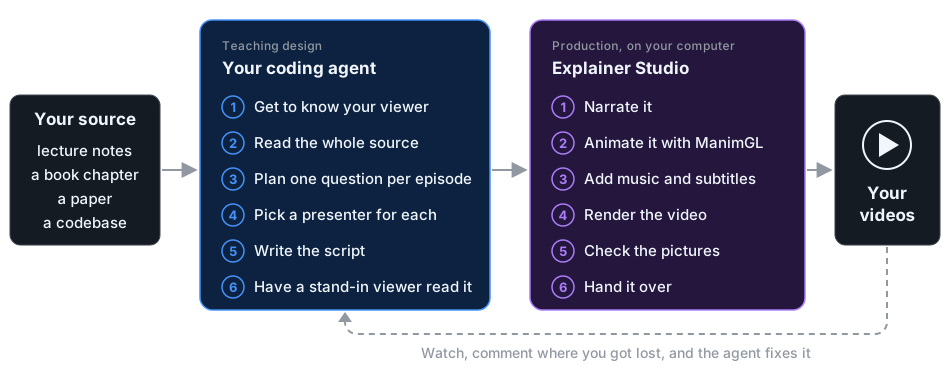
Why the videos work
- Made for your viewer. The agent finds out what your viewer already knows before it plans anything.
- One question per episode. Everything in an episode serves a single question, such as why something happens or how it is done.
- A teacher that fits. Each episode gets the presenter whose way of explaining suits its question.
- Fixed where you got lost. Press M on the video page where you lose the thread, and the agent makes the next version.
Examples
The five presenters, each with a one-minute demo made with Explainer Studio from a classic text. A full episode usually runs 10 to 20 minutes. The players start muted: turn on the sound to hear the narration.
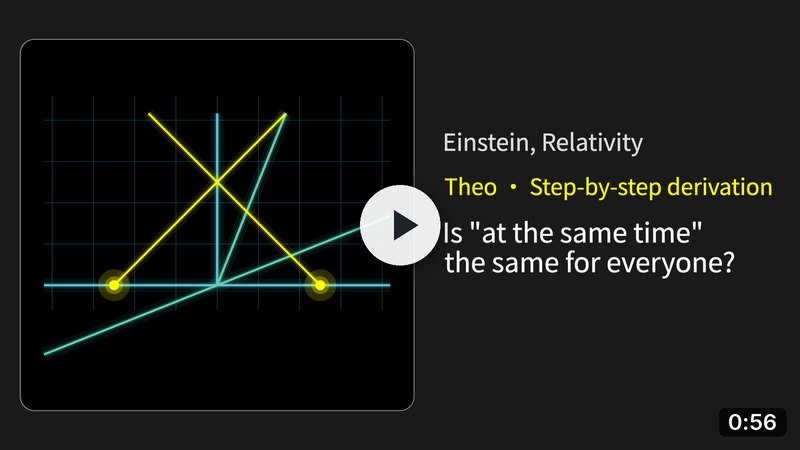 |
Theo · Step-by-step derivation Rebuilds the idea in pictures, one step at a time, until the result feels inevitable. Best for Demo |
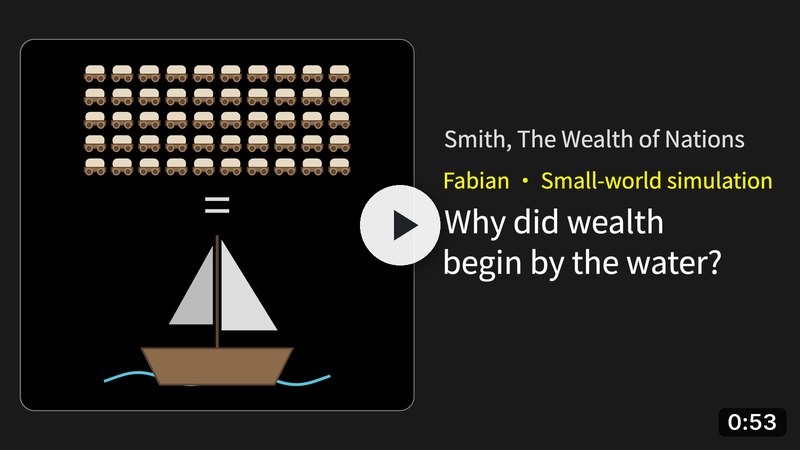 |
Fabian · Small-world simulation Recasts the problem as a small world of players, then shows the outcome emerging from each player’s choices. Best for Demo |
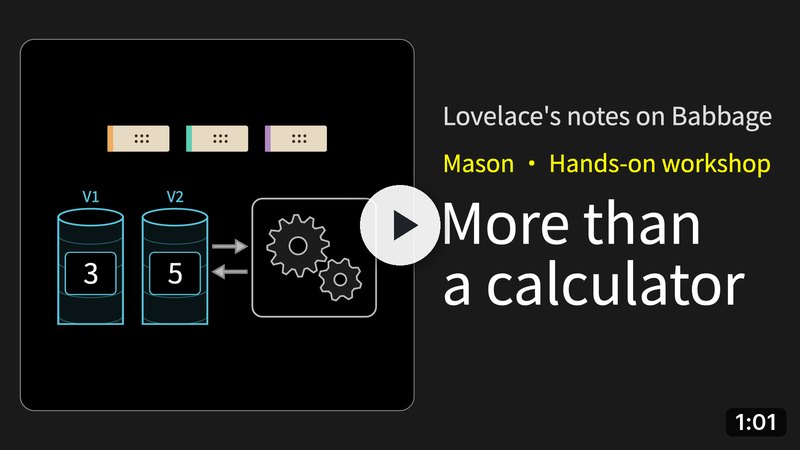 |
Mason · Hands-on workshop Builds a mini version of the idea and tinkers with it until it clicks. Best for Demo |
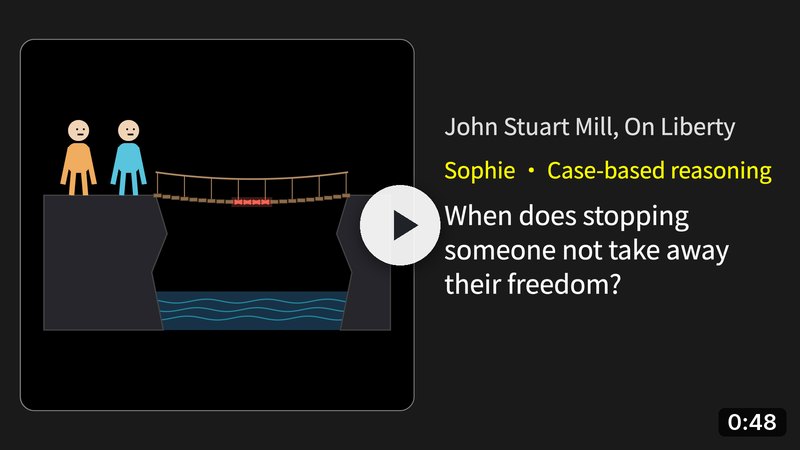 |
Sophie · Case-based reasoning Tweaks a real-life case bit by bit to find what really matters. Best for Demo |
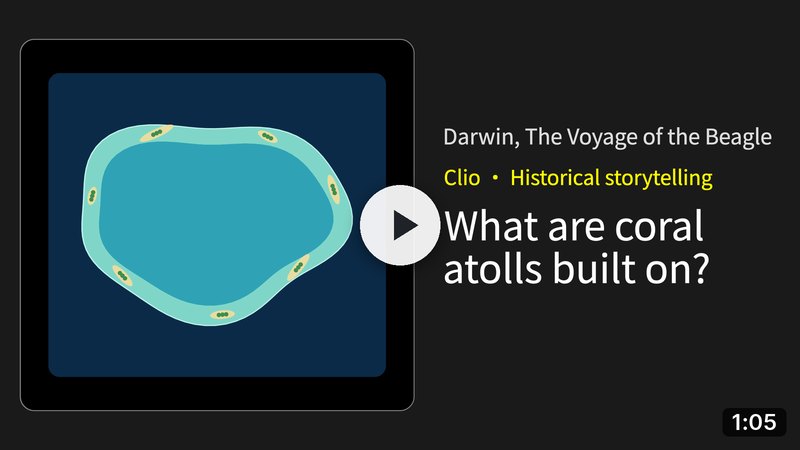 |
Clio · Historical storytelling Tells how it happened, one turning point at a time. Best for Demo |
How the agent decides what each episode teaches, and how the presenters differ, is in the teaching model.
Install
[!IMPORTANT] Your first video takes much longer than the ones after it. Before it, the agent installs about 1.5 GB of tools (ManimGL, LaTeX, ffmpeg and fonts), which alone takes several minutes, then gets to know your viewer, reads all of your material and plans the whole series. Later episodes skip all of that.
You need Claude Code or Codex, about 1.5 GB of disk space and, for narration, a key from one of the providers in Narration, languages and cost. On macOS a free built-in voice lets you start without one.
[!NOTE] Explainer Studio is developed and tested with Claude Code and Claude Opus 5.5. It also works in Codex, but for now GPT models are likely to make weaker videos than Claude models.
Add the Heptabase plugin, which carries Explainer Studio, from your agent's plugin store, which keeps it up to date:
- Claude Code: Heptabase in the Anthropic plugin directory
- Codex: Heptabase in the ChatGPT and Codex plugin directory
You need no Heptabase account to make videos. To use commands instead, see Install with commands.
Ask: "Make an explainer video from
<your file>". The first time, the agent checks your computer and, once you agree, installs theexplainer-studiocommand and the tools above. Nothing needs an administrator password.The agent asks who the videos are for, reads your material, and opens the plan in your browser: the episodes, the question each one answers and who presents it. Nothing is made until you tell it to start.
It makes the first episode and opens it on the video page, where you mark the moments you got lost.
After that, the explainer-studio command upgrades itself to each new release before your next episode.
Install with commands
In Claude Code, add the marketplace and the plugin:
/plugin marketplace add heptameta/heptabase-agent-plugins
/plugin install heptabase@heptabase-agent-plugins
Then let it update itself: run /plugin, open Marketplaces, select heptabase-agent-plugins and choose
Enable auto-update.
In Codex, add the marketplace, then open /plugins and install heptabase from heptabase-agent-plugins. Codex
updates it each time it starts.
codex plugin marketplace add heptameta/heptabase-agent-plugins
Narration, languages and cost
Narration uses your own key from ElevenLabs, OpenAI or VoAI. Enter it in your terminal, so it never goes through the chat:
explainer-studio setup narration
Narration is capped at $20 per series unless you set another budget: tell the agent, or set it on the plan page. With ElevenLabs it costs about 6 US cents a minute (Explainer Studio's estimate for the demos above), so a 10 to 20 minute episode comes to roughly $0.60 to $1.30.
You choose the language of the narration and subtitles. English and Traditional Chinese (Taiwan) have their own guides to spoken style, subtitles and fonts; other languages have none yet.
Apart from narration, the only cost is your coding agent's own usage.
Your data
Everything is made and kept on your computer. Narration sends each line's text to the provider you chose. An episode's feedback (your comments and rating, frames of the video around your comments, the script and the plan) reaches the Explainer Studio team only when you agree to share it; your sources, the video file and the audio never do. The video page's whiteboard view is drawn by Heptabase's web app in a frame, and Save to Heptabase puts the series' cards and their pictures on a whiteboard in your Heptabase account. PRIVACY.md lists exactly what leaves your computer.
Getting help
The agent fixes most errors on its own. When it cannot, run explainer-studio doctor and
open a bug report with what it
prints. Ask questions and share ideas in our Discord. Report a security problem
privately, as SECURITY.md describes.
Contributing
Explainer Studio is young and changes quickly; CHANGELOG.md says what each release changed. Pull requests are welcome: CONTRIBUTING.md says how to try a change and what to send, and your coding agent follows AGENTS.md. Every command and its options are in docs/cli.md. Everyone who takes part follows the code of conduct.
Credit
We would appreciate a credit wherever your work names the tools it is built with. The license does not ask for it, but each credit brings more people and their feedback, and that feedback makes the videos better for everyone, yours included:
In text:
Built with [Heptabase Explainer Studio](https://github.com/heptameta/heptabase-explainer-studio)As a badge, which follows the reader's light or dark theme on GitHub:


The badge's HTML
<a href="https://github.com/heptameta/heptabase-explainer-studio">
  <picture>
    <source media="(prefers-color-scheme: dark)" srcset="https://raw.githubusercontent.com/heptameta/heptabase-explainer-studio/main/docs/images/built-with-dark.svg">
    <img alt="Built with Heptabase Explainer Studio" src="https://raw.githubusercontent.com/heptameta/heptabase-explainer-studio/main/docs/images/built-with-light.svg">
  </picture>
</a>
With a video: every episode ends on an end credits page that says it was made with Heptabase; keep it on. In the video's description:
Made with Heptabase Explainer StudioIn a paper or a course: GitHub's "Cite this repository" button gives the citation from CITATION.cff.
Made something with it? Share it in our Discord: we like to see what people make.
Acknowledgements
Explainer Studio's presenters blend many teaching techniques we learned by studying the public videos, transcripts and talks of teachers we admire: 3Blue1Brown, CGP Grey, Nicky Case, Andrej Karpathy, Bret Victor, Michael Sandel, Johnny Harris, the Imperial War Museums and many others. None of them is affiliated with Heptabase or Explainer Studio, or has endorsed it.
Scenes are animated with ManimGL, the engine Grant Sanderson wrote for 3Blue1Brown.
License
Apache-2.0 (LICENSE). The copyright notice is in NOTICE, which a redistribution must carry along (section 4(d) of the license), together with the notices of the third-party parts it lists: code adapted from ManimGL (MIT, licenses/ManimGL-LICENSE.txt) and the Inter typeface (SIL Open Font License). Two dependencies are used unmodified under copyleft licenses: grandalf (EPL-1.0) and verovio (LGPL-3.0).
Trademarks
You are welcome to say "Built with", "Based on" or "Made with" Heptabase Explainer Studio in your work, and to show the
badge from Credit unmodified, linking to this repository. Heptabase and the Heptabase logo are trademarks of
Hepta Platforms, Inc.; the license does not grant permission to use them otherwise (section 6), and the logo artwork is
not covered by it. A fork, or a product built on Explainer Studio, needs its own name and logo and should not suggest
that Heptabase made or endorses it. The name and logo appear in the end credits
(explainer_studio/scene_kit/credits.py), the pages' header and icon (explainer_studio/web/pages.py) and
docs/images/; replace them there. Shared feedback goes to Heptabase (explainer_studio/feedback_bundle.py): point it
at your own service or turn sharing off. The series' whiteboard is drawn and saved by Heptabase
(explainer_studio/heptabase_sign_in.py, explainer_studio/heptabase_whiteboard.py, the whiteboard view in
explainer_studio/web/static/video.js and its texts in explainer_studio/web/locales/): point it at your own service
or remove it.
関連プロジェクトを探す
sindresorhus/awesome
😎 あらゆる興味深いトピックに関する Awesome リスト [注意: 既存のプルリクエストに追いつけるまで、プルリクエストは一時的に無効になっています]
536,490 スターEbookFoundation/free-programming-books
:books: 無料で入手できるプログラミングの書籍
401,556 スターnilbuild/developer-roadmap
開発者のキャリア成長を支える、インタラクティブなロードマップ、ガイド、その他の教育コンテンツ。
371,968 スターvinta/awesome-python
「Python で X をしたい。どのツールを使えばいい?」に答える決定版リスト。
334,588 スター