
Keras_Deep_Clustering
Tony607
240étoiles
How to do Unsupervised Clustering with Keras
Explorez les outils pour entraîner, évaluer et exécuter des modèles, et comparez leur popularité.
Tony607
How to do Unsupervised Clustering with Keras

tonybeltramelli
pix2code : générer du code à partir d’une capture d’écran d’une interface graphique

tonyduan
Neural Spline Flow, RealNVP, Autoregressive Flow, 1x1Conv in PyTorch.

TonyLianLong

AnimeGAN.js: Photo Animation for Everyone

tonylins
A PyTorch implementation of MobileNet V2 architecture and pretrained model.

topology-gg
A simple Python Discord bot that generates images with Stable Diffusion through a local pipeline - img2img, progress reporting, and a model registry.

torch-js
Node.js binding for PyTorch.

torch-points3d
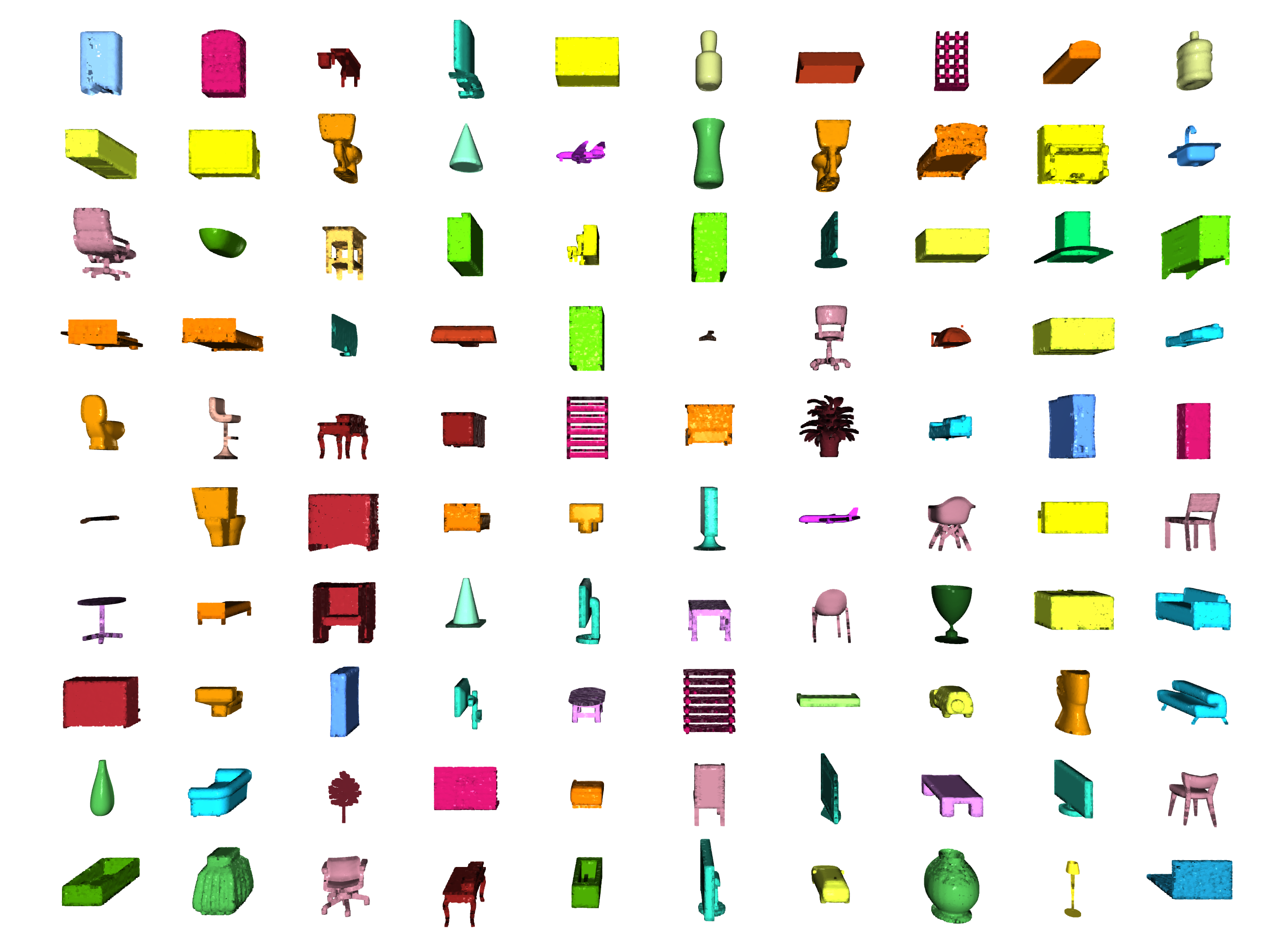
Framework PyTorch pour l’apprentissage profond sur des nuages de points.

torch-uncertainty

Open-source framework for uncertainty and deep learning models in PyTorch 🌱
Torch7: state-of-the-art machine learning algorithms

TorchDR
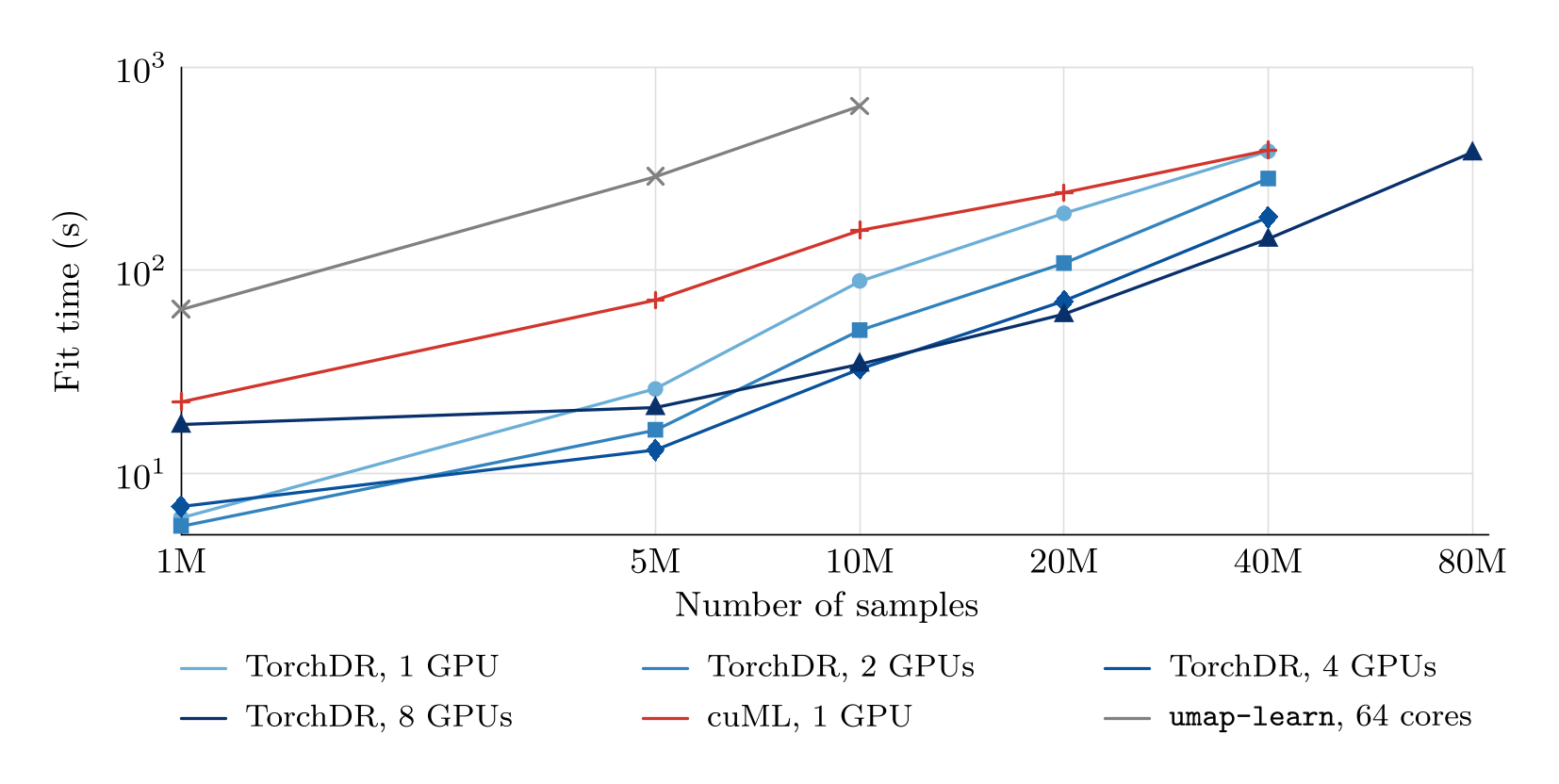
TorchDR - PyTorch Dimensionality Reduction

TorchDrift
Drift Detection for your PyTorch Models

TorchDSP
TorchSig is an open-source signal processing machine learning toolkit based on the PyTorch data handling pipeline.

torcheeg
TorchEEG is a library built on PyTorch for EEG signal analysis.

TorchEnsemble-Community
A unified ensemble framework for PyTorch to improve the performance and robustness of your deep learning model.

torchgan
Research Framework for easy and efficient training of GANs based on Pytorch

torchgeo
A Python toolkit for fine-tuning Geospatial Foundation Models (GFMs).

torchmd
End-To-End Molecular Dynamics (MD) Engine using PyTorch
torchmd
Training neural network potentials

TorchSpatiotemporal
tsl: a PyTorch library for processing spatiotemporal data.

TorchSSL
A PyTorch-based library for semi-supervised learning (NeurIPS'21)

TorchStudio
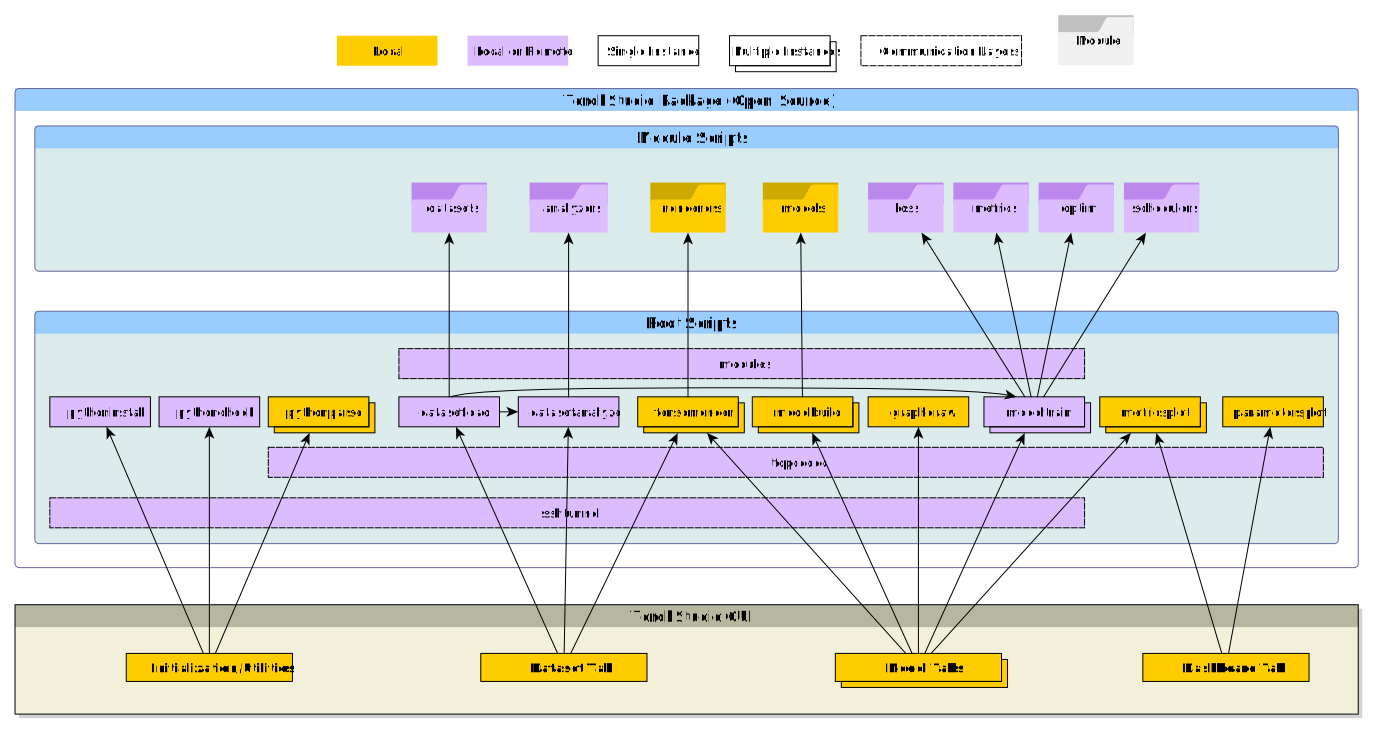
IDE for PyTorch and its ecosystem

torchsynth
A GPU-optional modular synthesizer in pytorch, 16200x faster than realtime, for audio ML researchers.

torralba-lab
im2recipe Pytorch implementation
