
mv-lab/InstructIR
mv-lab/InstructIR has 752 GitHub stars and 45 forks. GitHot measured 0 stars in 24 hours, +2 in 7 days, and +2 in 15 days. Last checked 2026-11-19 18:56 UTC. Last push 2024-09-26.
Progression mesurée des étoiles
- in 24h
- 0
- in 7 days
- +2
- in 15 days
- +2
- in 1 month
- Historique en cours
Variations nettes sur des périodes qui se chevauchent, pas des totaux quotidiens. Les mesures absentes restent vides. Les étoiles indiquent l’intérêt, pas la qualité.
À propos
[ECCV 2024] InstructIR: High-Quality Image Restoration Following Human Instructions https://huggingface.co/spaces/marcosv/InstructIR
Apprentissage automatiqueREADME.md
OriginalInstructIR ✏️🖼️
High-Quality Image Restoration Following Human Instructions




Marcos V. Conde, Gregor Geigle, Radu Timofte
Computer Vision Lab, University of Wuerzburg | Sony PlayStation, FTG
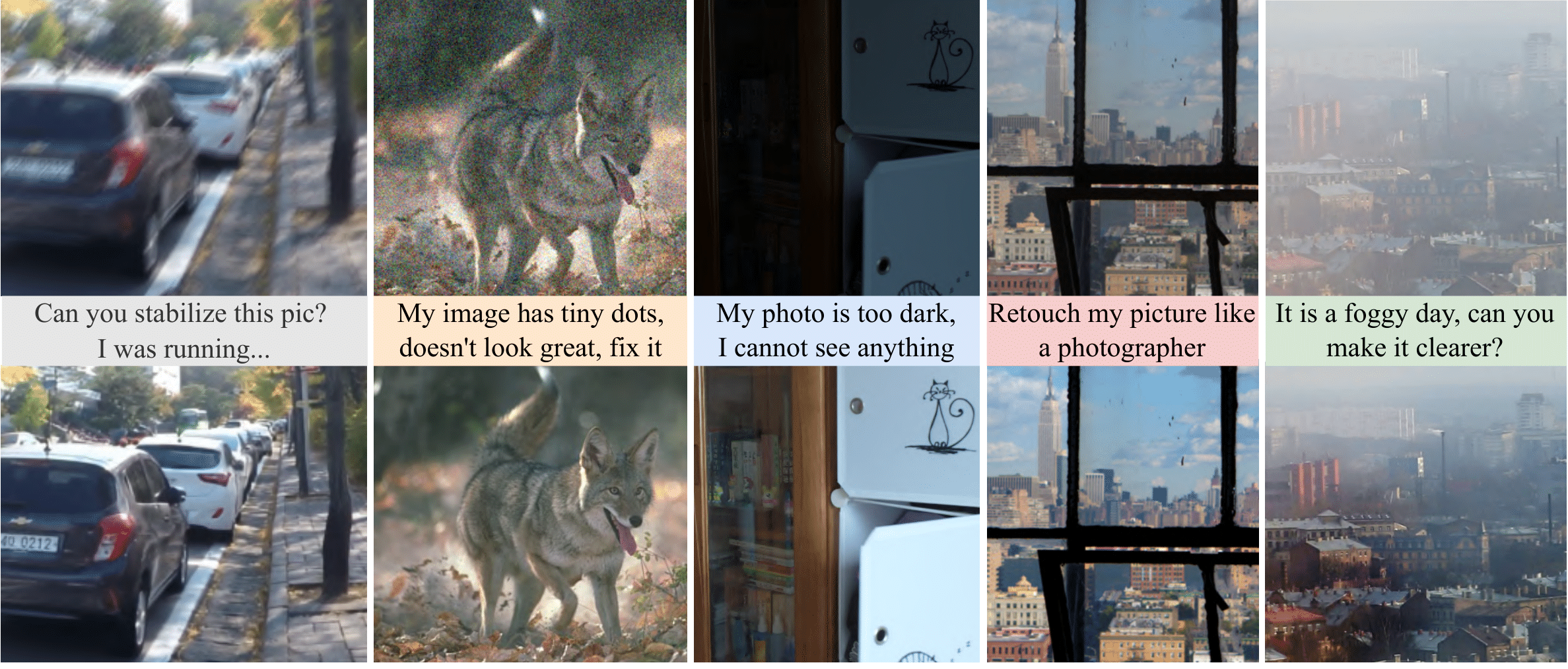
TL;DR: quickstart
InstructIR takes as input an image and a human-written instruction for how to improve that image. The neural model performs all-in-one image restoration. InstructIR achieves state-of-the-art results on several restoration tasks including image denoising, deraining, deblurring, dehazing, and (low-light) image enhancement.
🚀 You can start with the demo tutorial
Abstract (click me to read)
Image restoration is a fundamental problem that involves recovering a high-quality clean image from its degraded observation. All-In-One image restoration models can effectively restore images from various types and levels of degradation using degradation-specific information as prompts to guide the restoration model. In this work, we present the first approach that uses human-written instructions to guide the image restoration model. Given natural language prompts, our model can recover high-quality images from their degraded counterparts, considering multiple degradation types. Our method, InstructIR, achieves state-of-the-art results on several restoration tasks including image denoising, deraining, deblurring, dehazing, and (low-light) image enhancement. InstructIR improves +1dB over previous all-in-one restoration methods. Moreover, our dataset and results represent a novel benchmark for new research on text-guided image restoration and enhancement.
TODO / News 🔥
- Replicate Demo
- Upload all test results
- 🤗 Hugging Face Demo
- Colab Tutorial
Try it / Tutorial
Try it directly on 🤗 Hugging Face at no cost, no code.
🚀 You can start with the demo tutorial. We also host the same tutorial on google colab so you can run it using free GPUs!.
Gradio Demo
We made a simple Gradio demo you can run on your machine here. You need Python>=3.10 and these requirements for it.
Results
You can download the paper results from here.
Control and Interact
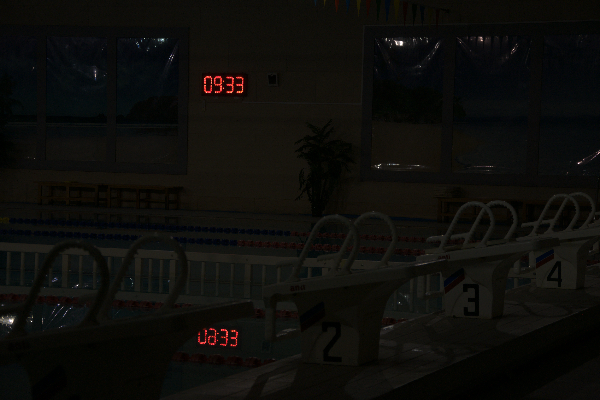
Sometimes the blur, rain, or film grain noise are pleasant effects and part of the "aesthetics". Here we show a simple example on how to interact with InstructIR.
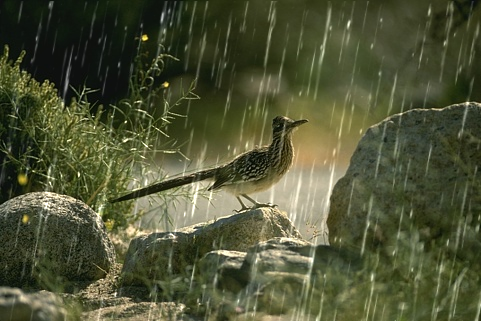
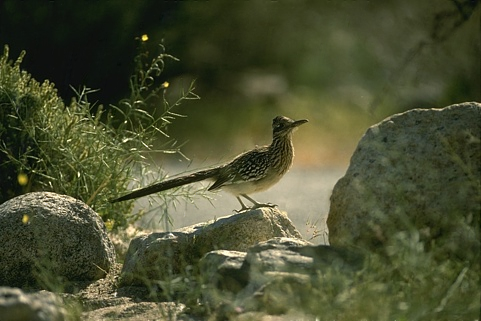
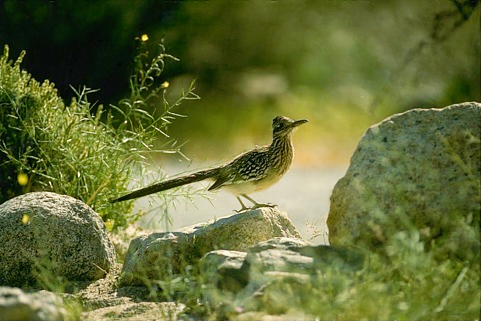
| Input | (1) I love this photo, could you remove the raindrops? please keep the content intact | (2) Can you make it look stunning? like a professional photo |
|---|---|---|
 |
 |
 |
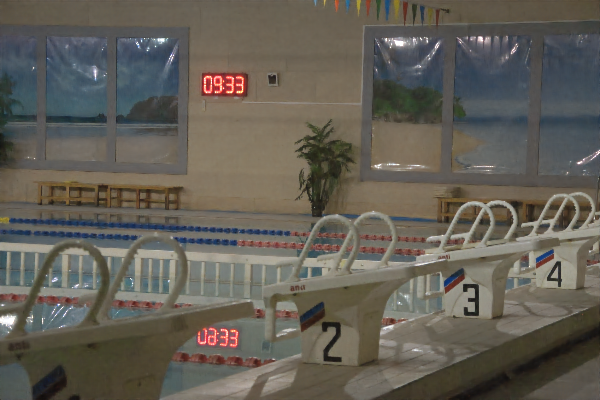
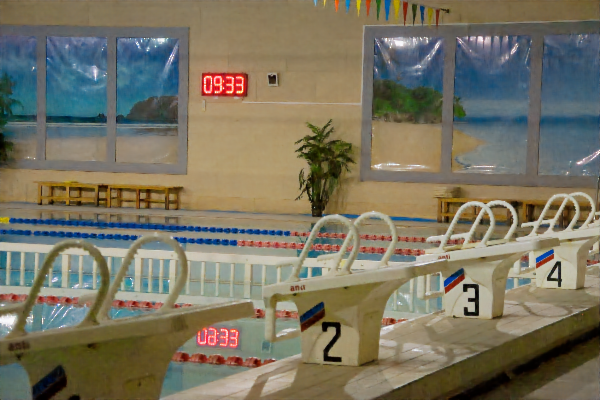
| Input | (1) my image is too dark, I cannot see anything, can you fix it? | (2) Great it looks nice! can you apply tone mapping? |
 |
 |
 |
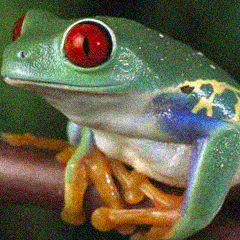
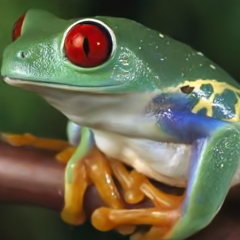
| Input | (1) can you remove the tiny dots in the image? it is very unpleasant | (2) now please inprove the quality and resolution of the picture |
 |
 |
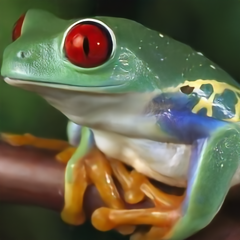 |
As you can see our model accepts diverse humman-written prompts, from ambiguous to precise instructions. How does it work? Imagine we have the following image as input:
Now we can use InstructIR. with the following prompt (1):
I love this photo, could you remove the raindrops? please keep the content intact
Now, let's enhance the image a bit further (2).
Can you make it look stunning? like a professional photo
The final result looks indeed stunning 🤗 You can do it yourself in the demo tutorial.
FAQS
Disclaimer: please remember this is not a product, thus, you will notice some limitations.
How should I start? Tutorial
How can I compare with your method? You can download the results for several benchmarks.
How can I test the model? I just want to play with it:
Why aren't you using diffusion-based models? (1) We want to keep the solution simple and efficient. (2) Our priority is high-fidelity --as in most industry scenarios realted to computational photography--.
Acknowledgments
This work was partly supported by the The Humboldt Foundation (AvH). Marcos Conde is also supported by Sony Interactive Entertainment, FTG.
This work is inspired in InstructPix2Pix.
Contacts
For any inquiries contact Marcos V. Conde: marcos.conde [at] uni-wuerzburg.de
Citation BibTeX
@misc{conde2024instructir,
    title={High-Quality Image Restoration Following Human Instructions},
    author={Marcos V. Conde, Gregor Geigle, Radu Timofte},
    year={2024},
    journal={arXiv preprint},
}