
TensorFlow.NET
SciSharp
3,388estrellas

.NET Standard bindings for Google's TensorFlow for developing, training and deploying Machine Learning models in C# and F#.
Explora herramientas para entrenar, evaluar y ejecutar modelos, y compara el interés de la comunidad.
SciSharp
.NET Standard bindings for Google's TensorFlow for developing, training and deploying Machine Learning models in C# and F#.

scitex-ai
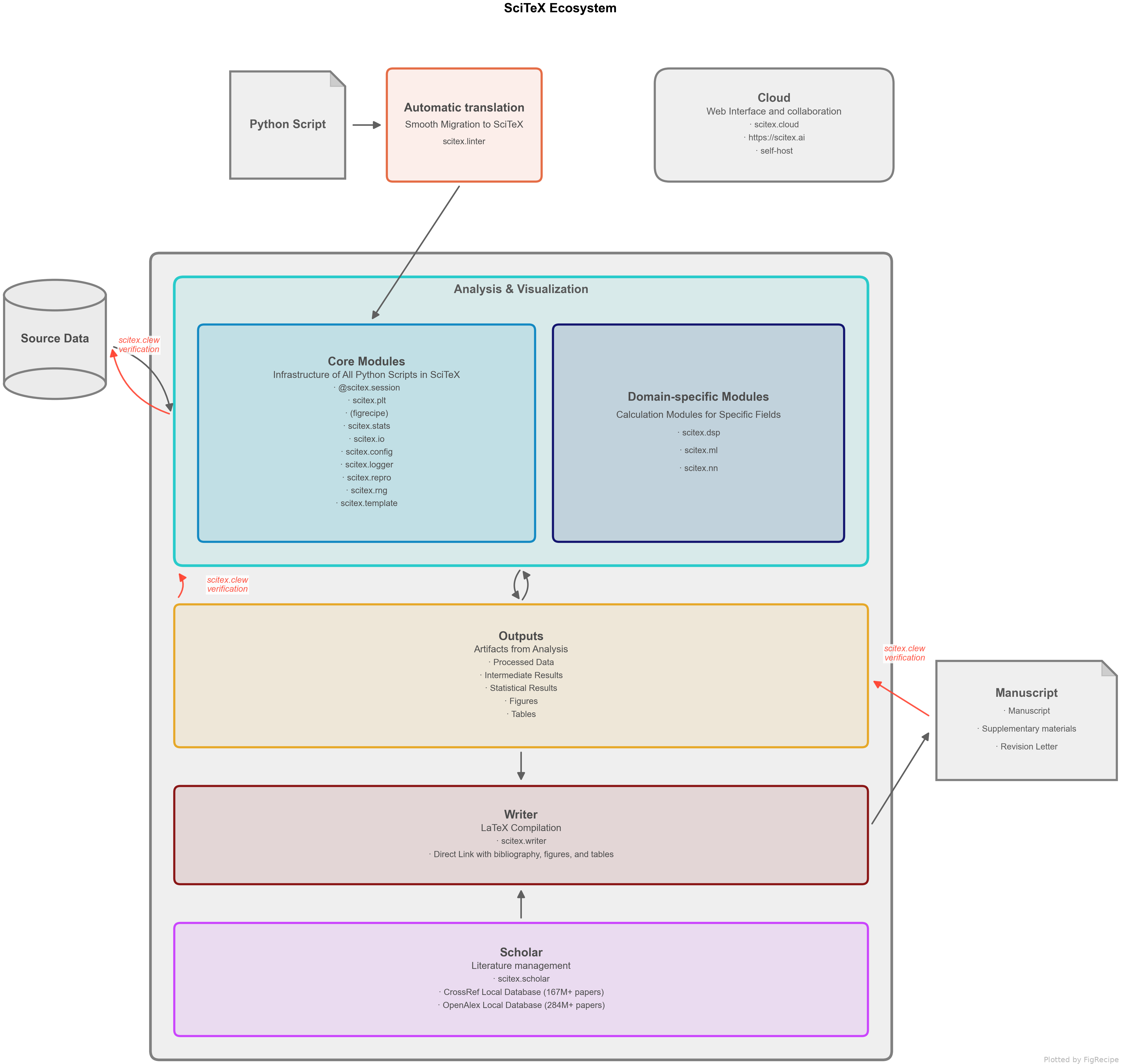
A Python toolkit — AI for Science

scorpionhiccup

Stock Price Prediction using Machine Learning Techniques

sczhou
[NeurIPS 2020] Cross-Scale Internal Graph Neural Network for Image Super-Resolution

sdv-dev

Generación de datos sintéticos para datos tabulares

SE-ML
A curated list of articles that cover the software engineering best practices for building machine learning applications.

seandavedalaguit-ui
Netspresso Trainer 2026: Train, Compress and Deploy Vision AI Models on Edge Devices

seanghay
A large collection of Khmer language resources. Khmer is a language used by Cambodia.

seanwood
Real-time GCC-NMF Blind Speech Separation and Enhancement

seathiefwang
基于TensorFlow训练的人脸识别神经网络

sebastian-lapuschkin
The LRP Toolbox provides simple and accessible stand-alone implementations of LRP for artificial neural networks supporting Matlab and Python. The Toolbox realizes LRP functionality for the Caffe Deep Learning Framework as an extension of Caffe source code published in 10/2015.

sebp
Survival analysis built on top of scikit-learn

Secilia-Cxy
Official implement for "SOFTS: Efficient Multivariate Time Series Forecasting with Series-Core Fusion"(NeurIPS'24) in PyTorch.

sedaoturak
A list of databases, datasets and books/handbooks where you can find materials properties for machine learning applications.

Seeed-Studio

Seeed SenseCraft Model Assistant is an open-source project focused on embedded AI. 🔥🔥🔥

segment-any-text
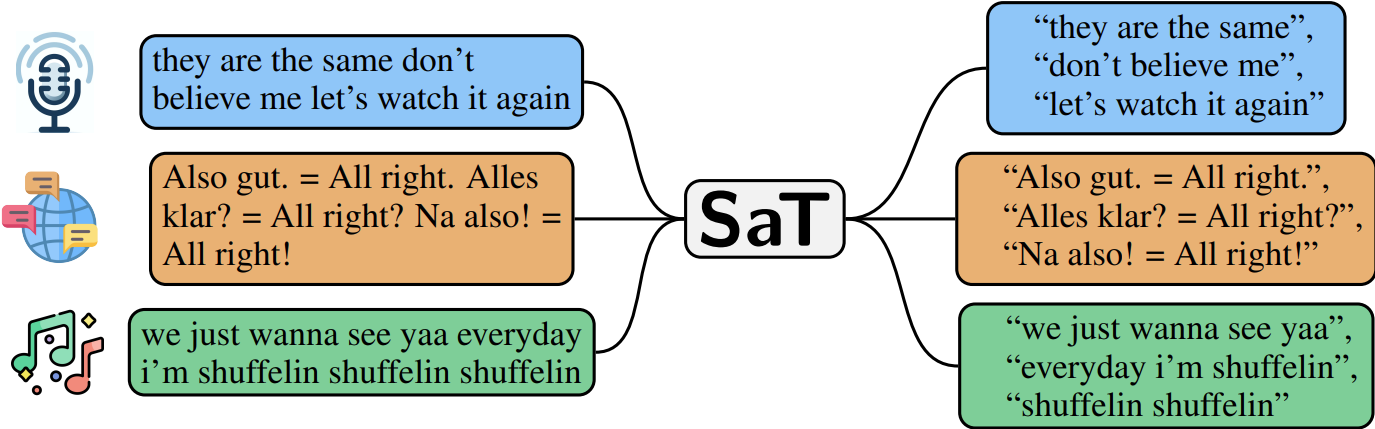
Toolkit to segment text into sentences or other semantic units in a robust, efficient and adaptable way.

segments-ai
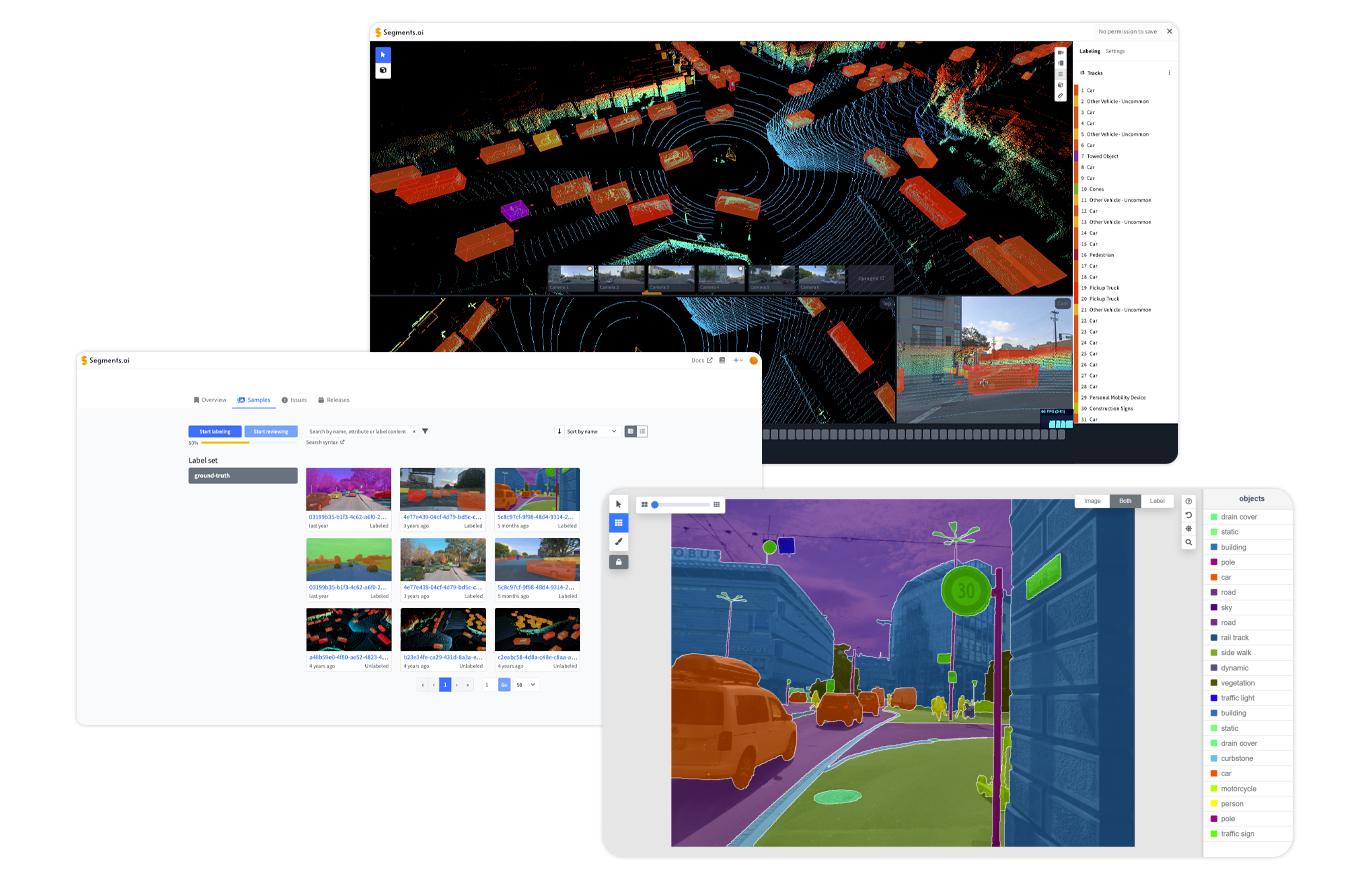
Segments.ai Python SDK

sekilab
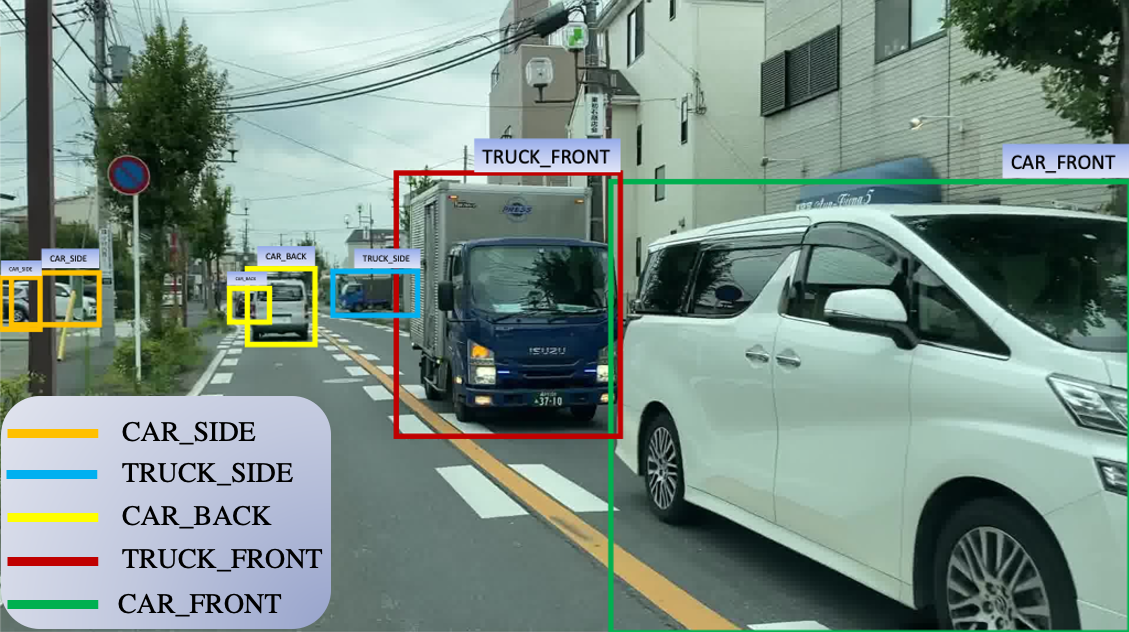
The vehicle orientation dataset is a large-scale dataset containing more than one million annotations for vehicle detection with simultaneous orientation classification using a standard object detection network.

SeldonIO

Framework de MLOps para empaquetar, desplegar, supervisar y gestionar miles de modelos de aprendizaje automático en producción
SeldonIO
Machine Learning Platform and Recommendation Engine built on Kubernetes

SelfExplainML
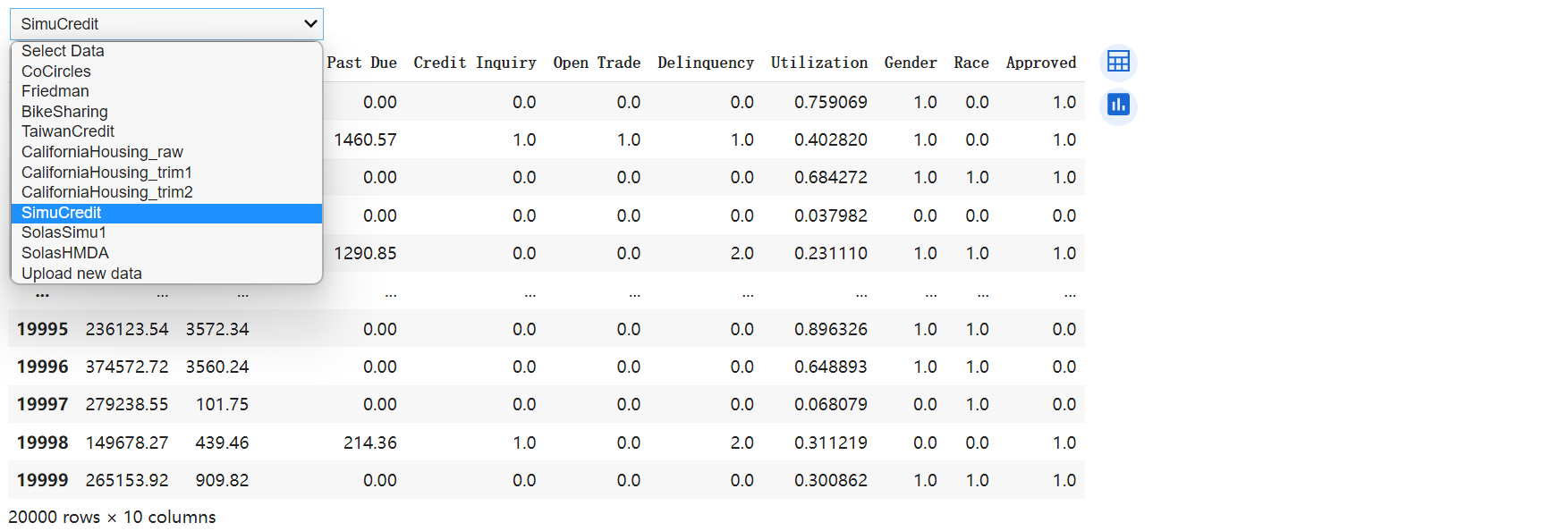
PiML (Python Interpretable Machine Learning) toolbox for model development & diagnostics
Credit risk analysis for credit card applicants
Data science for beginners involves learning to extract insights from data using statistics, programming (Python/R), and visualization. Key steps include data collection, cleaning, analysis, modeling, and communicating findings. Beginners should start with Python, basic math (linear algebra/calculus), and build projects to create a portfolio.

Sentdex
Neural Networks from Scratch in various programming languages

