
sdsubhajitdas/Brain-Tumor-Segmentation
sdsubhajitdas/Brain-Tumor-Segmentation has 297 GitHub stars and 63 forks. GitHot measured +1 in 7 days. Last checked 2026-11-13 17:19 UTC. Last push 2026-10-25.
Crecimiento de estrellas medido
- in 24h
- Actualización retrasada
- in 7 days
- +1
- in 15 days
- Recopilando historial
- in 1 month
- Recopilando historial
Cambios netos en períodos que se solapan, no totales diarios. Los datos no disponibles se dejan en blanco. Las estrellas indican interés, no calidad.
Acerca de
Brain Tumor Segmentation done using U-Net Architecture.
Aprendizaje automáticoREADME.md
OriginalBrain Tumor Segmentation


This project uses U-Net Architecture to create segmentation masks for brain tumor images.
Try the live demo → Upload an MRI slice (or pick a sample study) and see the model's predicted tumor mask in your browser.
Overview
Dataset Used
Dataset used in this project was provided by Jun Cheng.
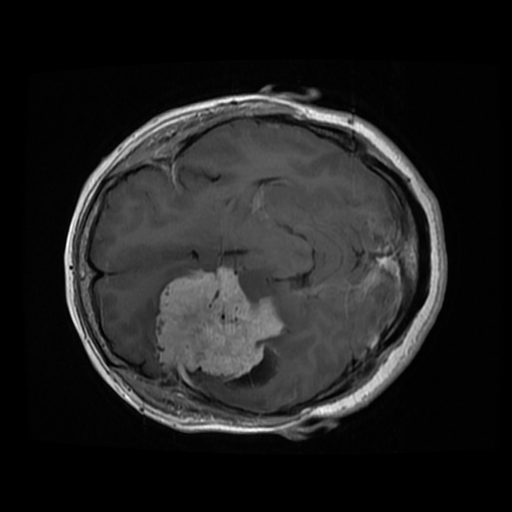
This dataset contains 3064 T1-weighted contrast-enhanced images with three kinds of brain tumor. For a detailed information about the dataset please refer to this site.
Version 5 of this dataset is used in this project. Each image is of dimension 512 x 512 x 1 , these are black and white images thus having a single channel.
Some Data Samples
| Original Image | Mask Image |
|---|---|
 |
 |
Data Augmentation
The basic forms of data augmentation are used here to diversify the training data. All the augmentation methods are used from Pytorch's Torchvision module.
- Horizontally Flip
- Vertically Flip
- Rotation Between 75°-15°
Code Responsible for augmentation

Each augmentation method has a probability of 0.5 and the order of application is also random. For Rotation Augmentation the degree of rotation is chosen randomly between 75°-15°.
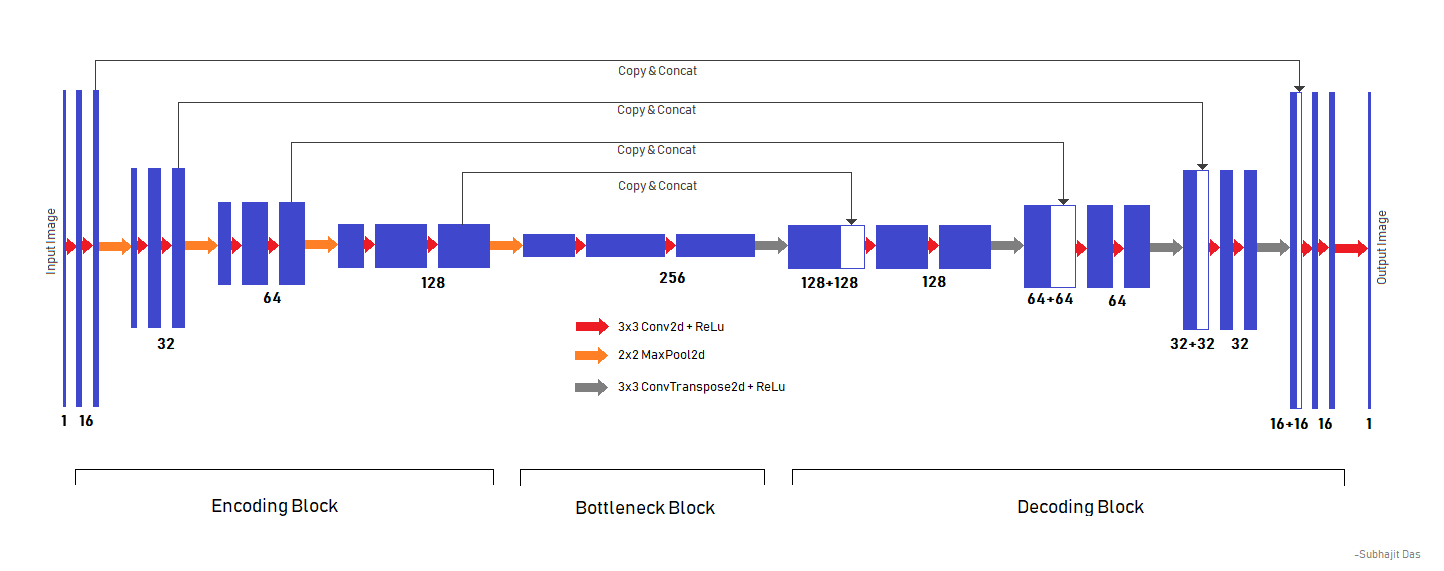
Model Architecture
The model architecture is depicted in this picture.
Training Process
The model was trained on a Nvidia GTX 1050Ti 4GB GPU. Total time taken for model training was 6 hours and 45 minutes. We started with an initial learning rate of 1e-3 and reduced it by 85% on plateauing, final learning rate at the end of 100 epochs was 2.7249e-4.
Some graphs indicating Learning Rate & Loss Value over 100 epochs are given below.
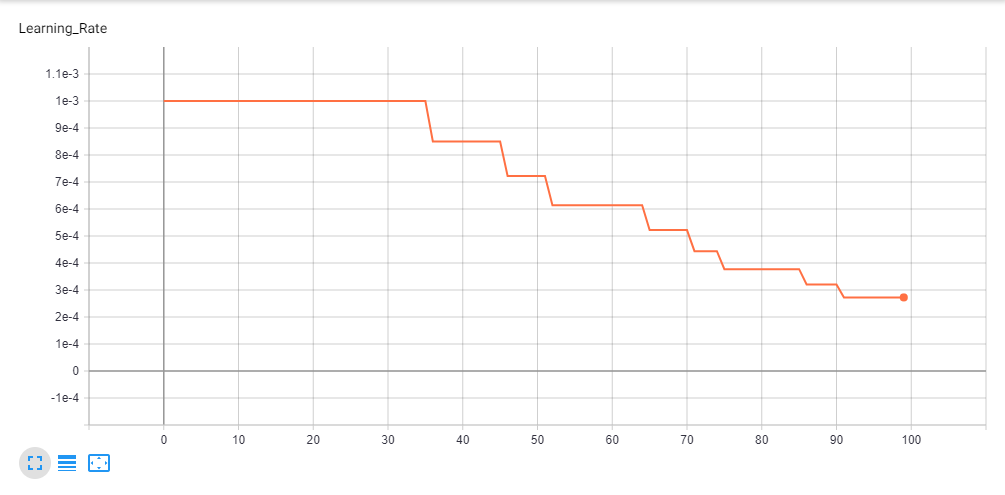 Learning Rate Graph in Tensorboard.
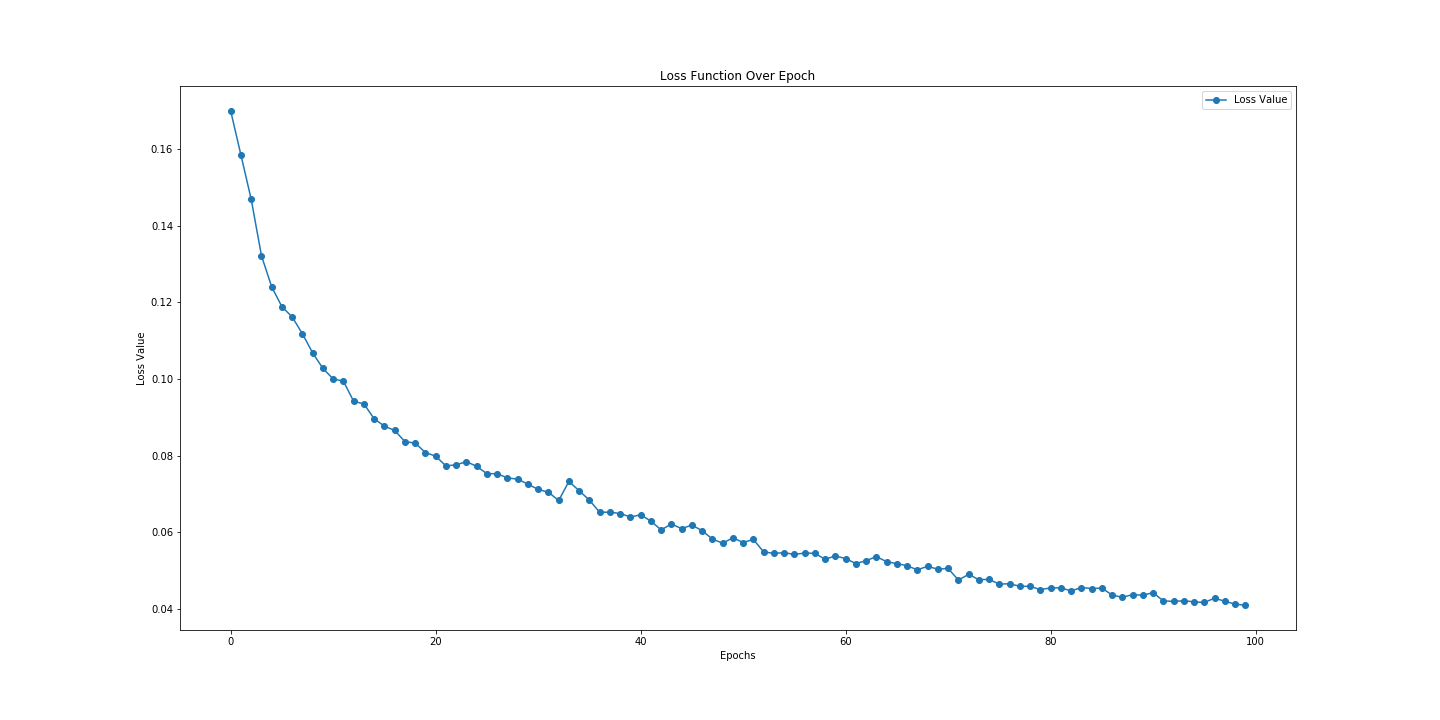 Loss Graph Plotted in Matplotlib
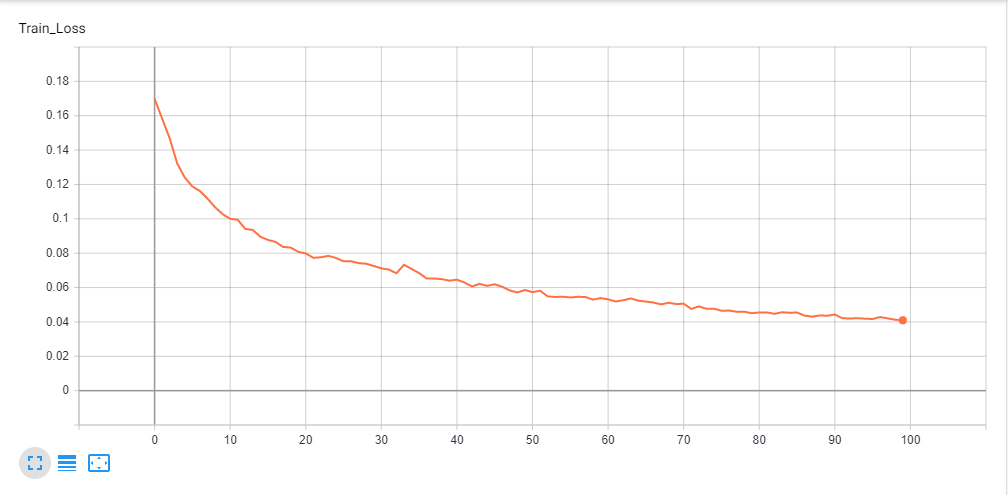 Loss Graph Plotted in Tensorboard
To see the complete output produced during the training process check this
Installation
This project uses Python 3.
Clone the project.
git clone https://github.com/sdsubhajitdas/Brain-Tumor-Segmentation.git
cd Brain-Tumor-Segmentation
Create and activate an isolated virtual environment, so this project's dependencies (including PyTorch) don't clash with anything else installed on your system.
python3 -m venv .venv
source .venv/bin/activate      # On Windows: .venv\Scripts\activate
Use pip to install all the dependencies
pip install -r requirements.txt
PyTorch will be installed automatically with a CPU/MPS build via requirements.txt.
If you have an NVIDIA GPU and want CUDA acceleration instead, install the matching
build from pytorch.org after the step above.
To open the notebook
jupyter lab
To see logs in Tensorboard
tensorboard --logdir logs --samples_per_plugin images=100
To setup the project dataset
python setup_scripts/download_dataset.py
python setup_scripts/unzip_dataset.py
python setup_scripts/extract_images.py
Usage
python api.py --file <file_name> --ofp <optional_output_file_path>
python api.py --folder <folder_name> --odp <optional_output_folder_path>
python api.py -h
Available api.py Flags
--file  : A single image file name.
--ofp   : An optional folder location only where the output image will be stored. Used only with --file tag.

--folder: Path of a folder containing many image files.
--odp   : An optional folder location only where the output images will be stored. Used only with --folder tag.

-h, --help : Shows the help contents.
Some results generated by API are here
Results
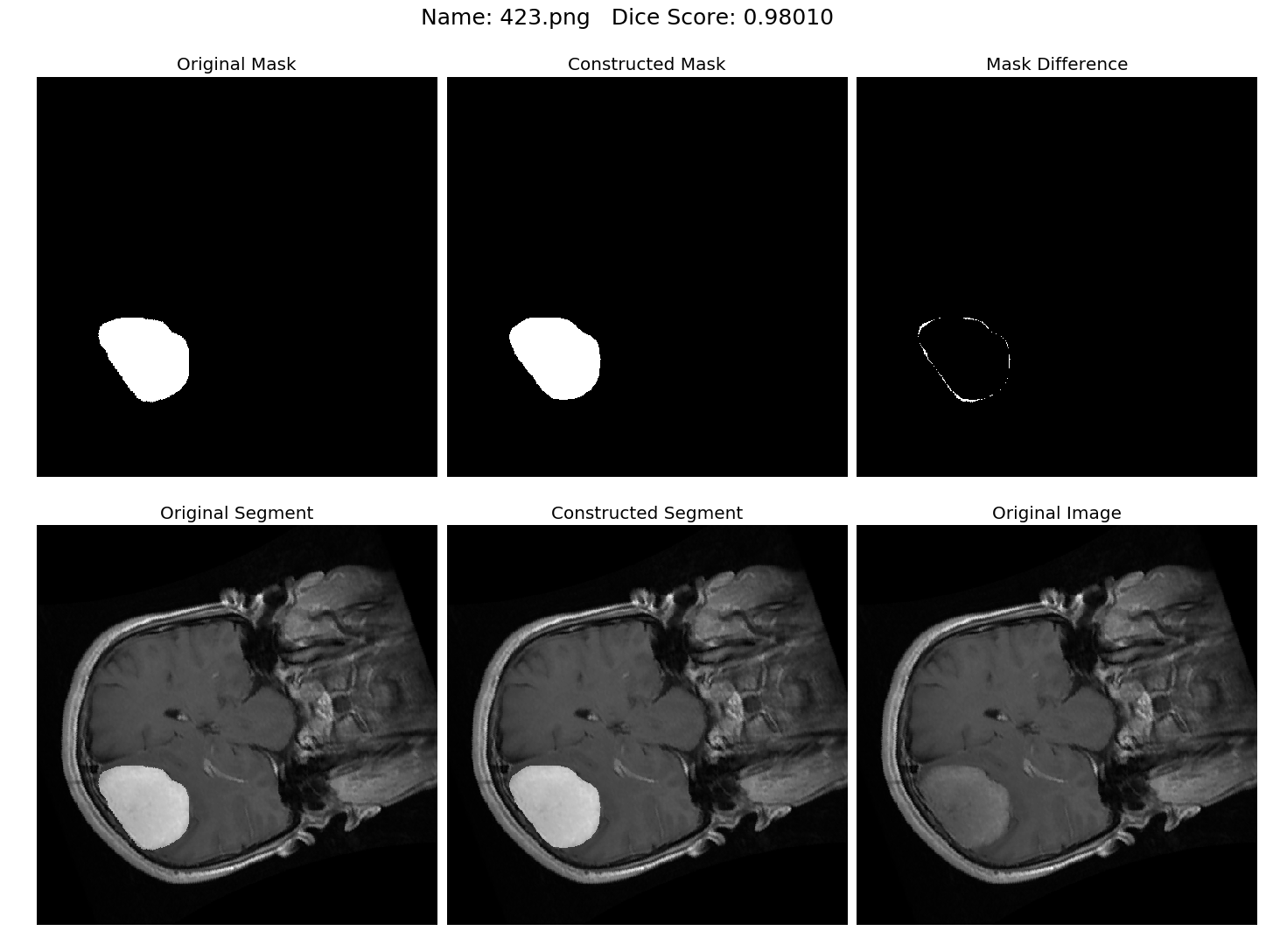
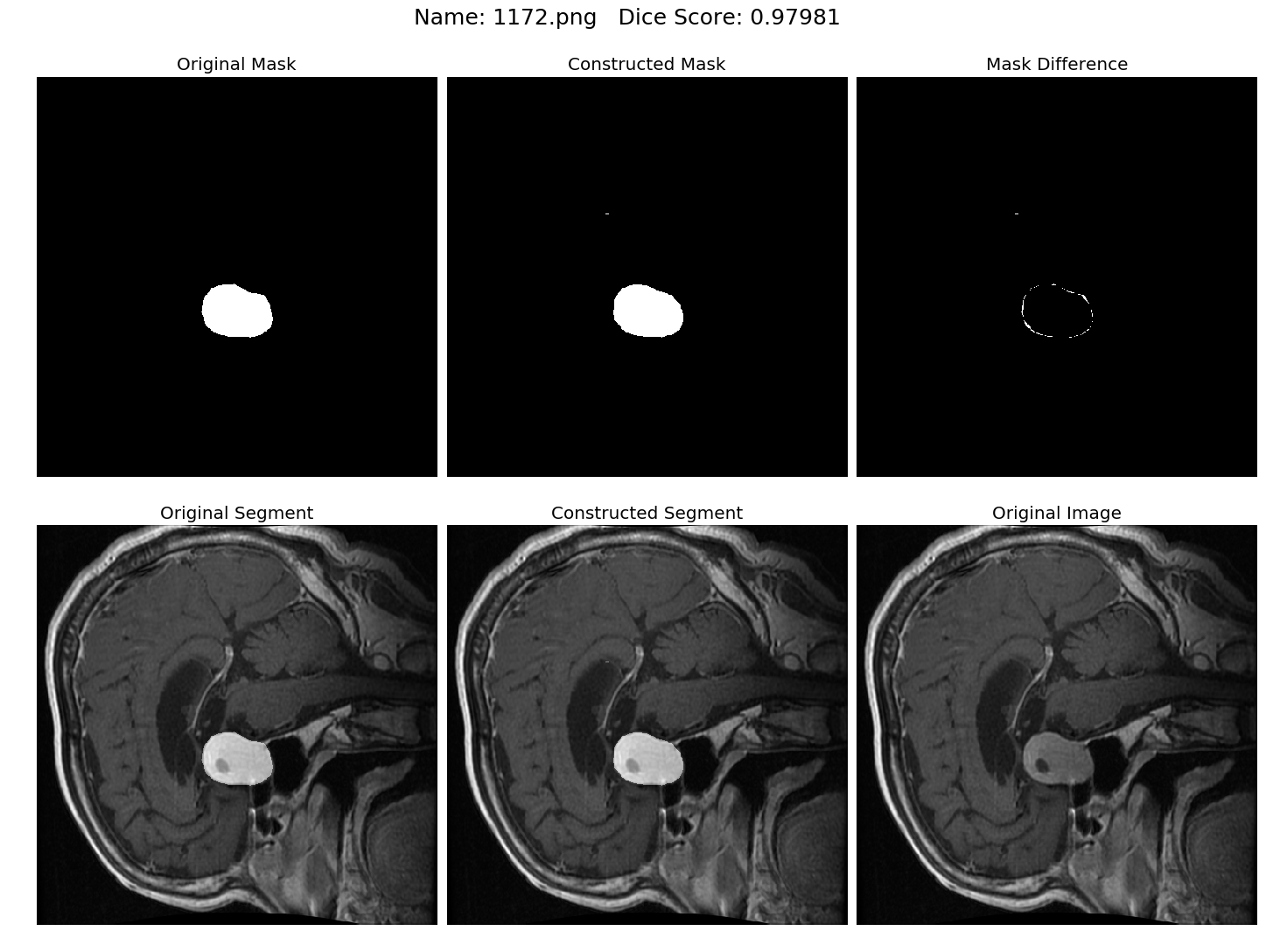
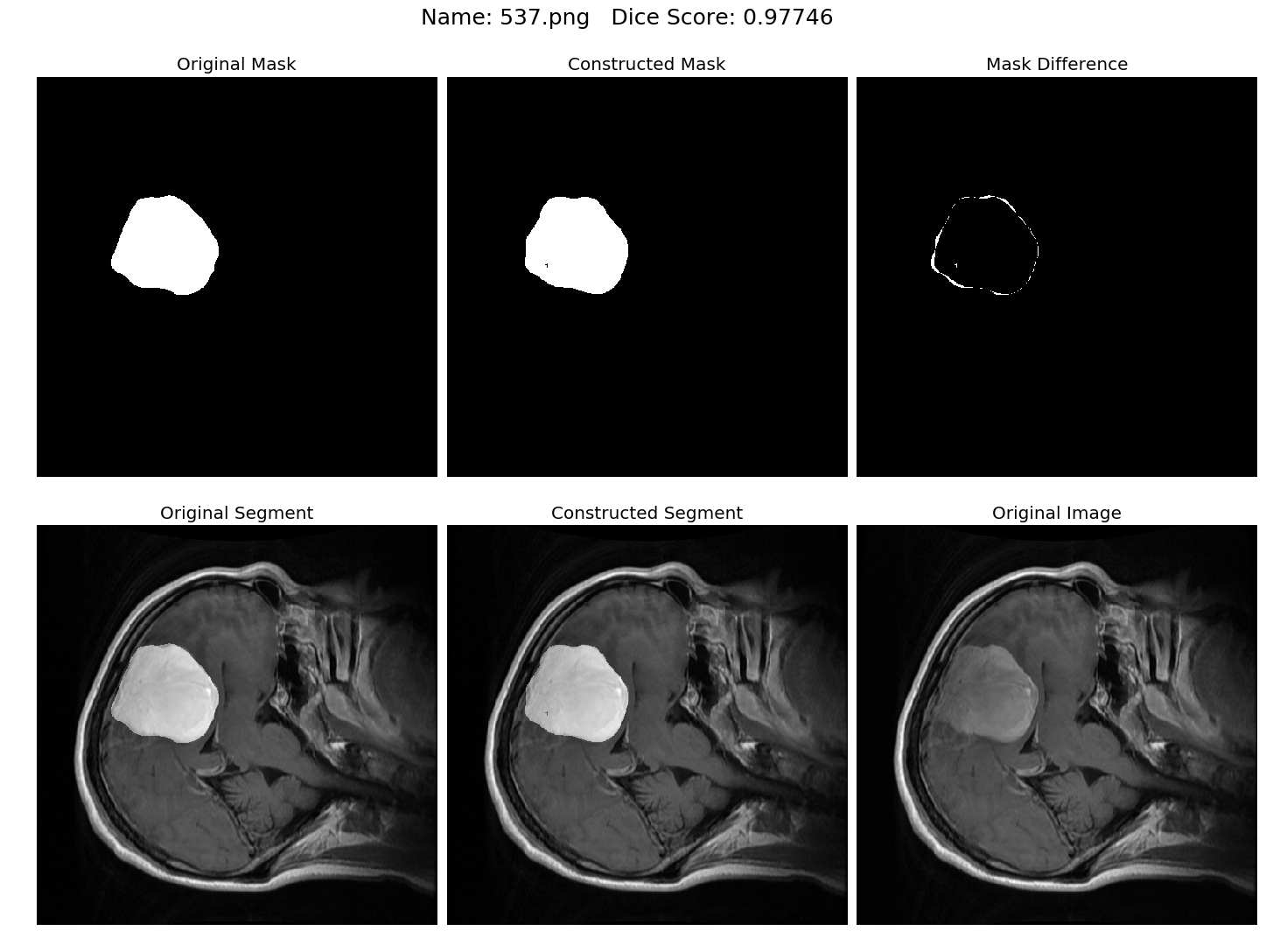
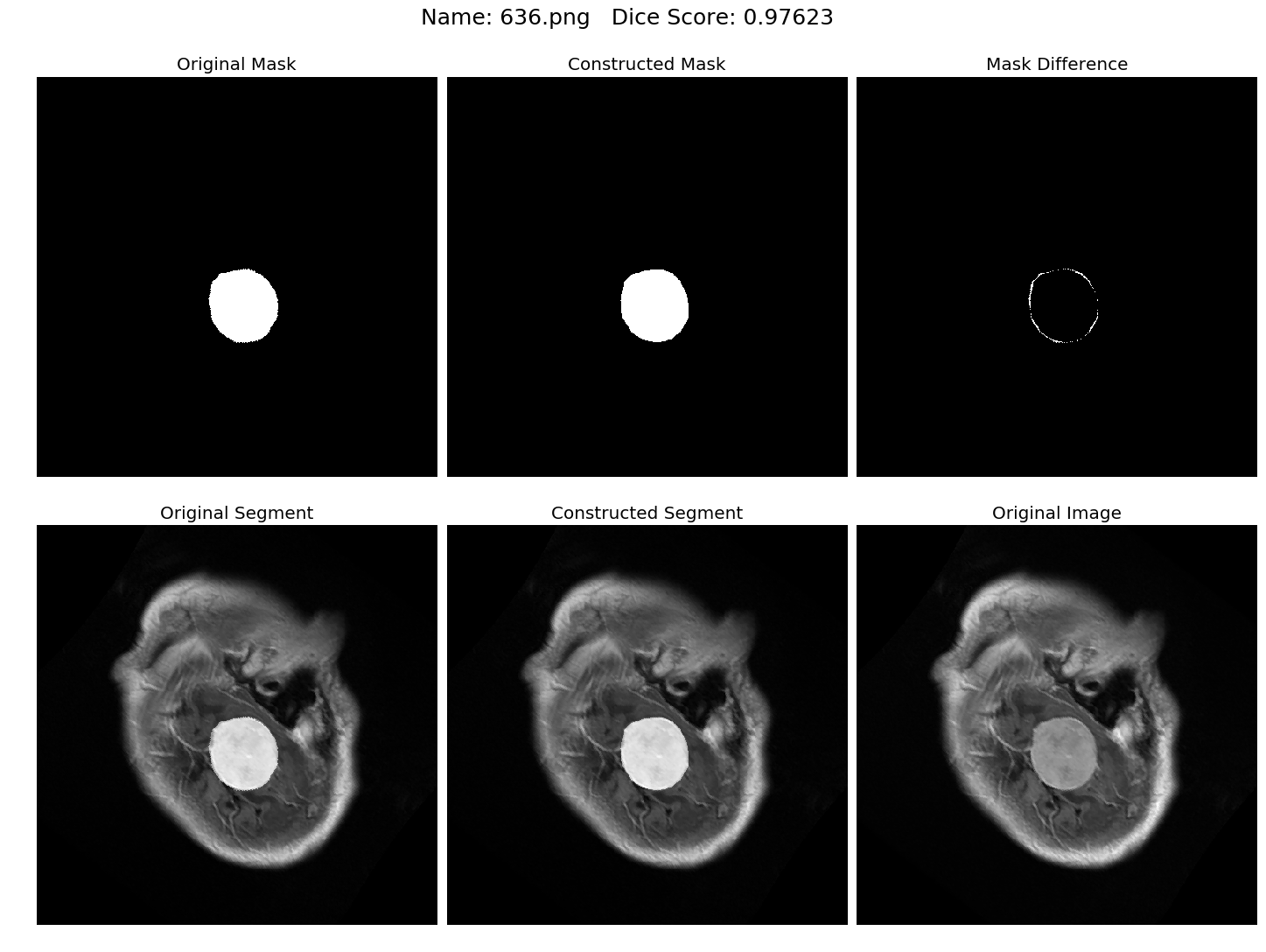
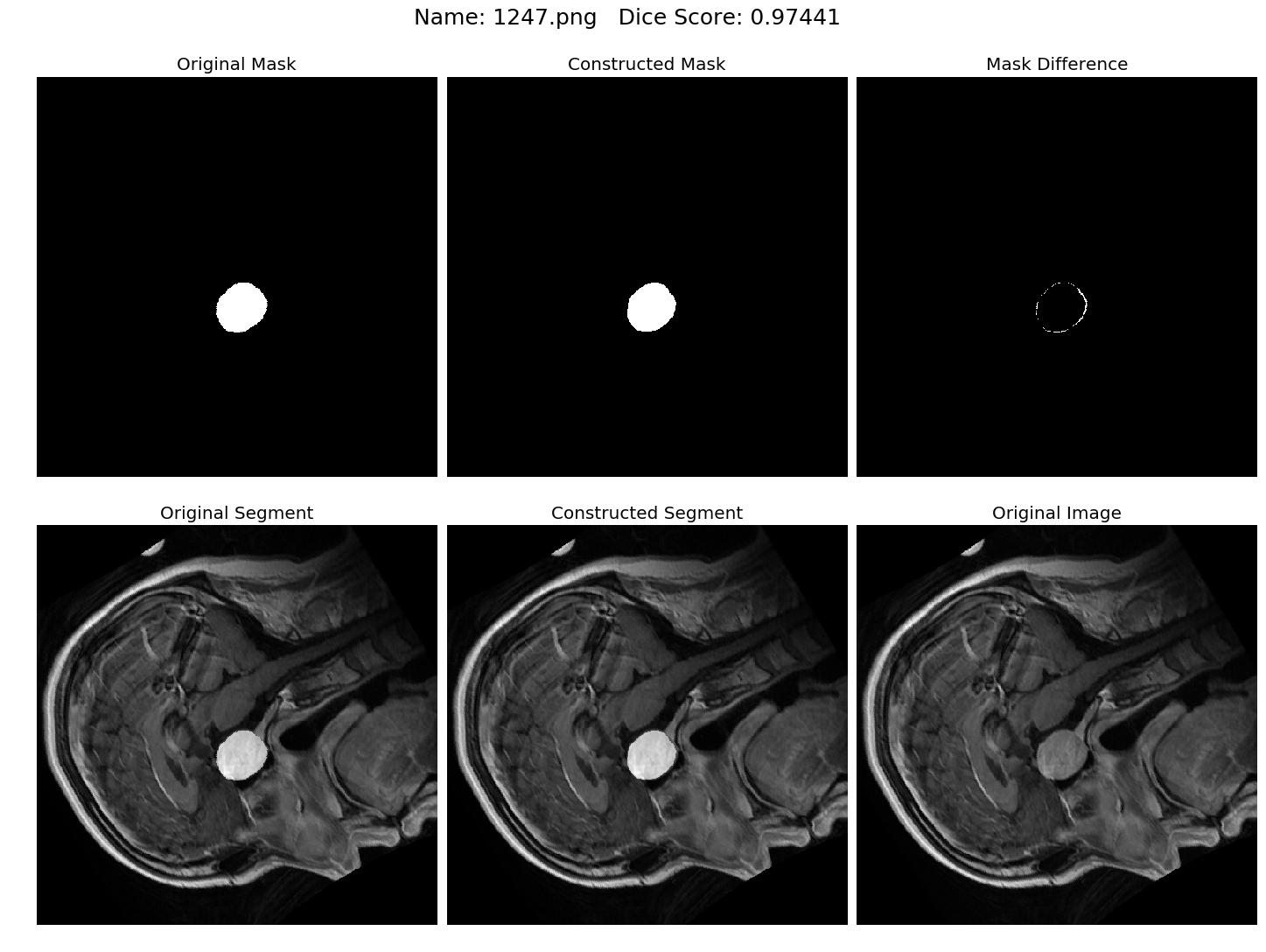
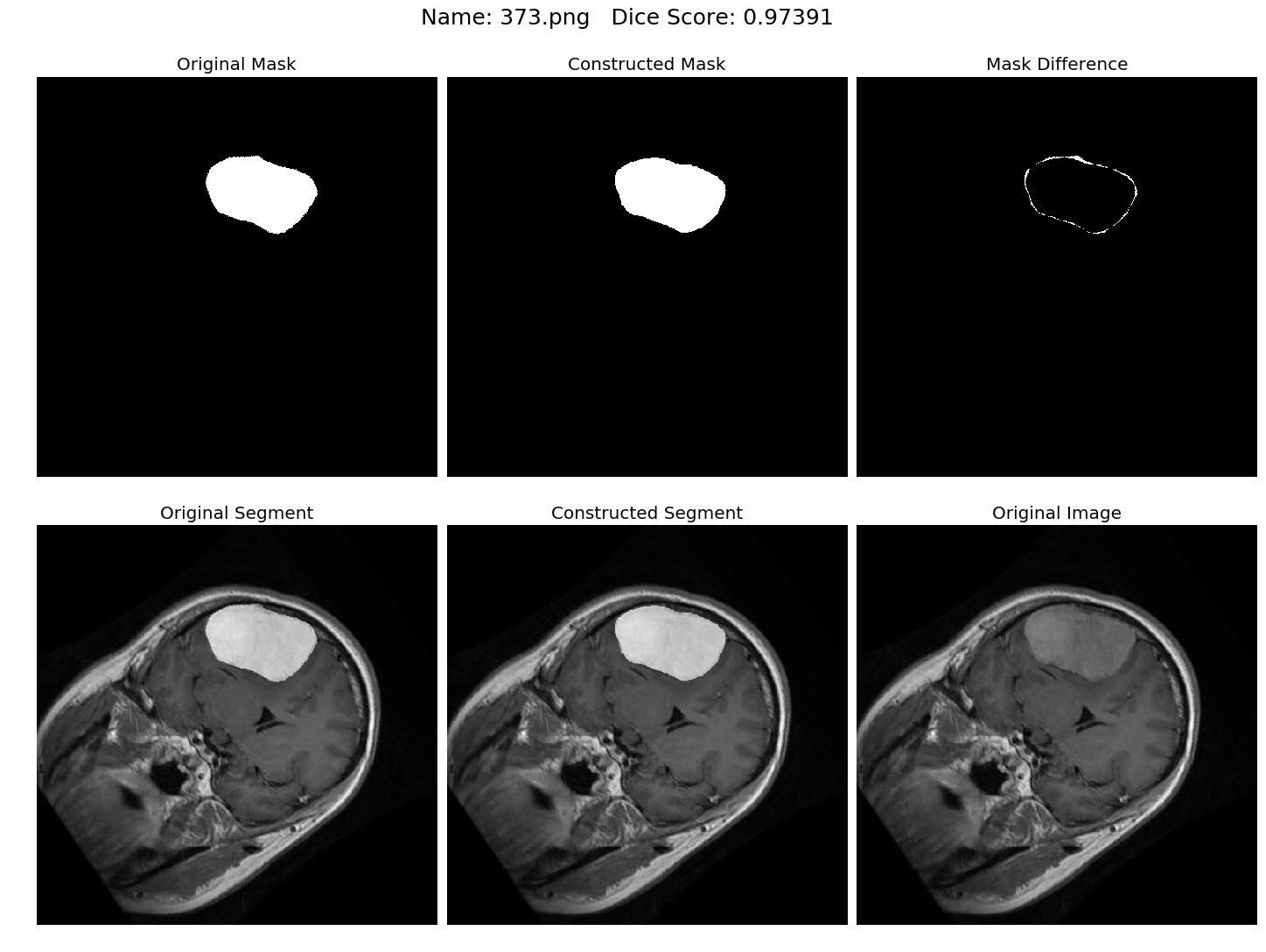
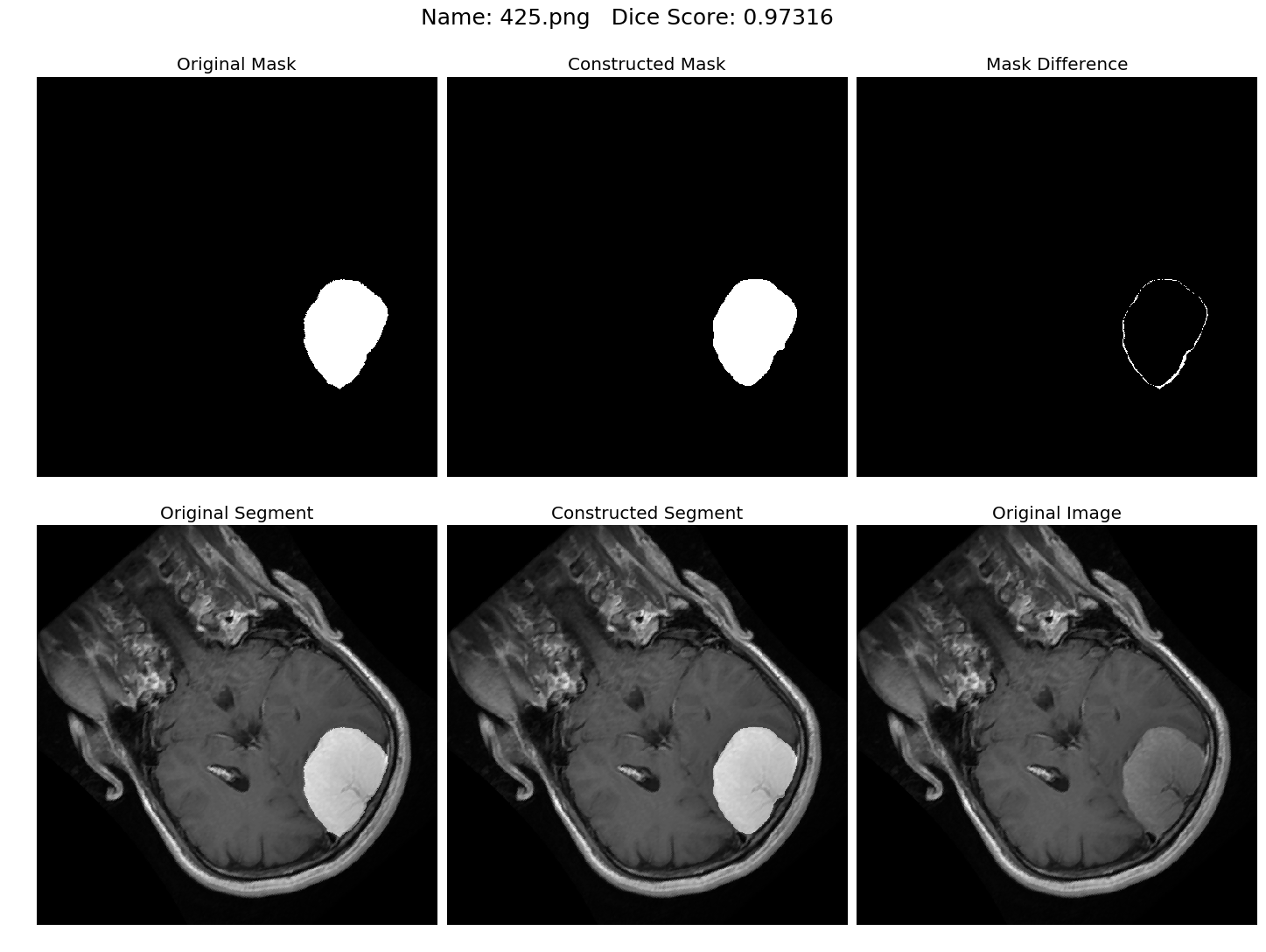
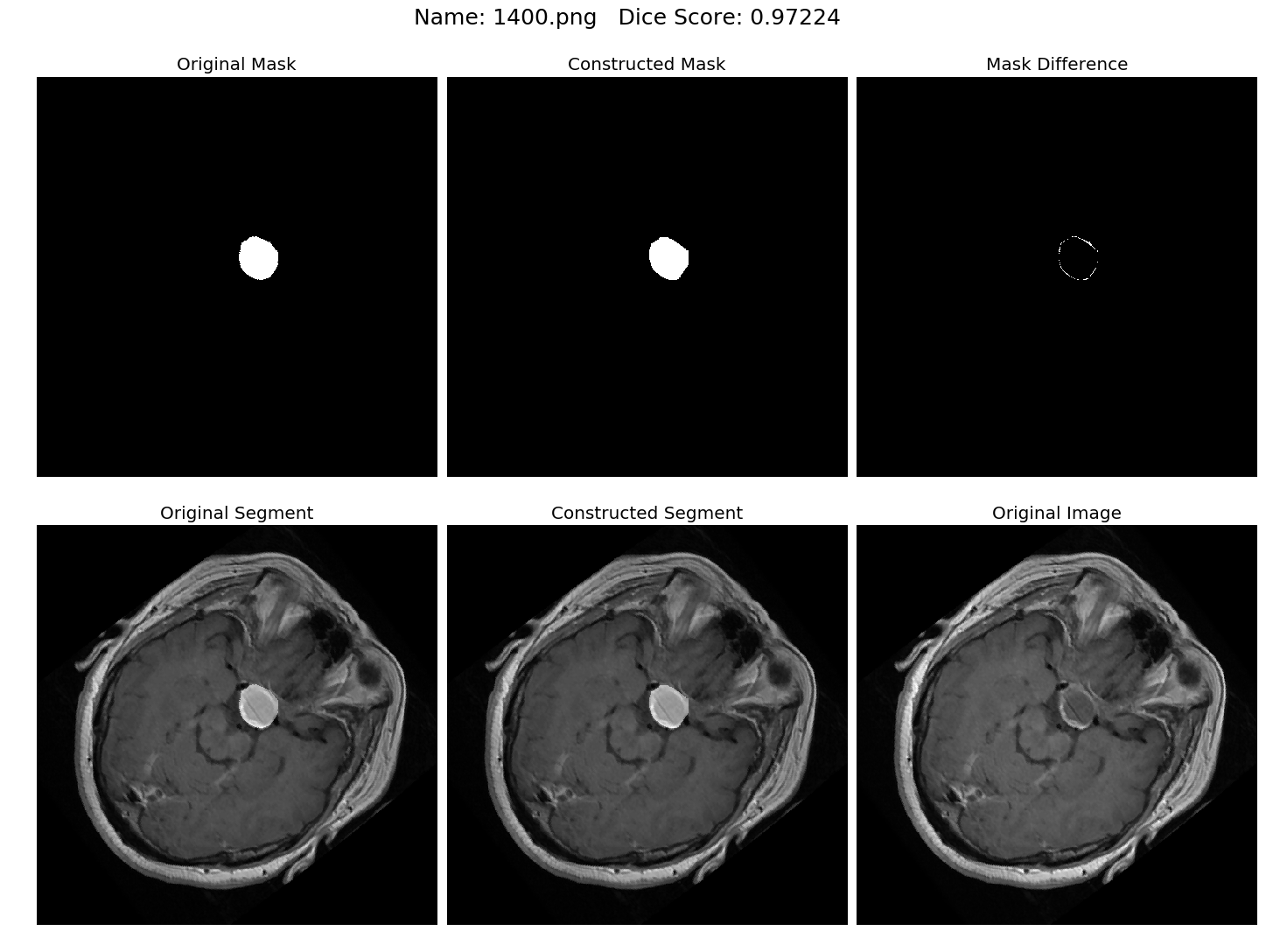
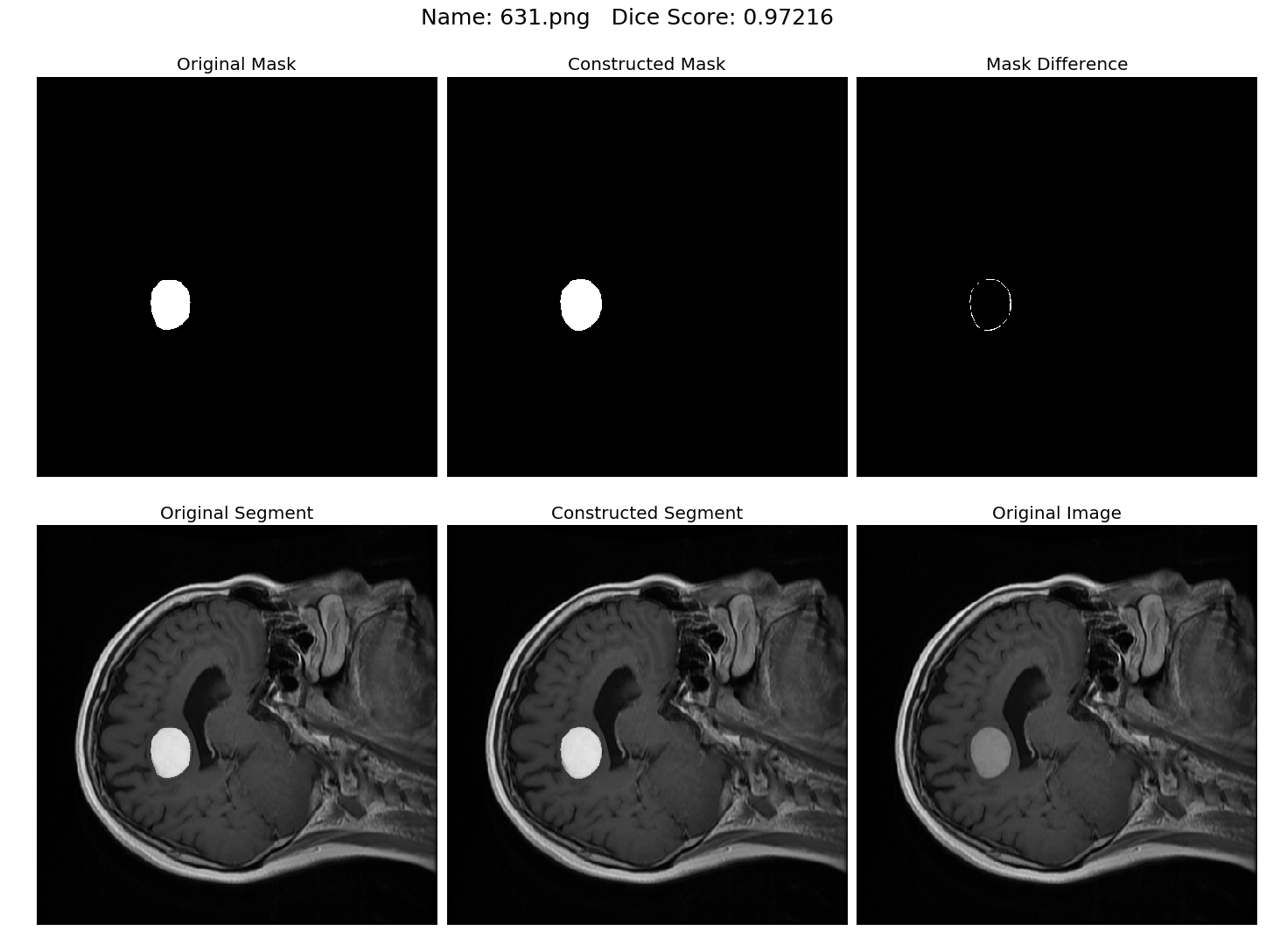
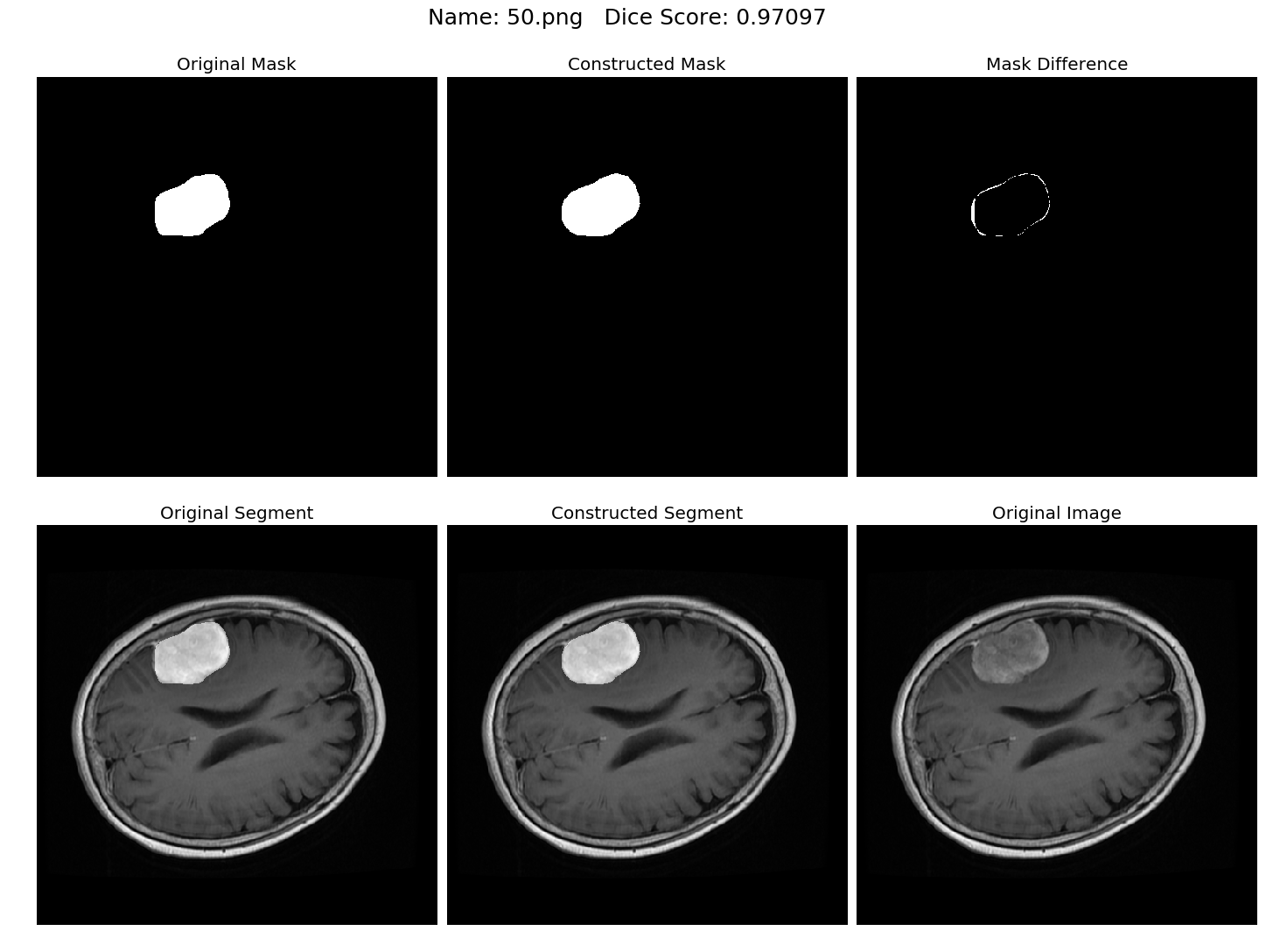
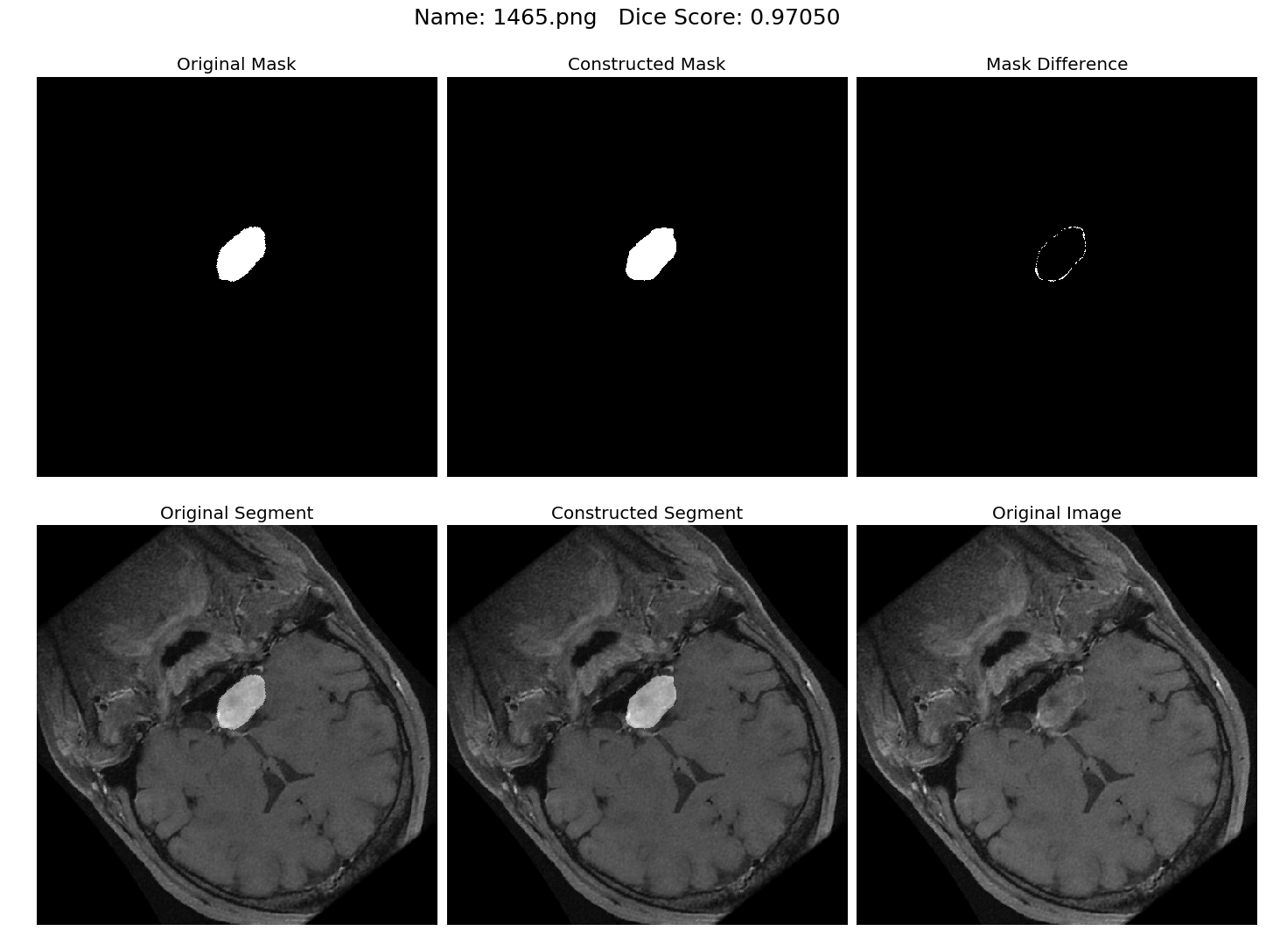
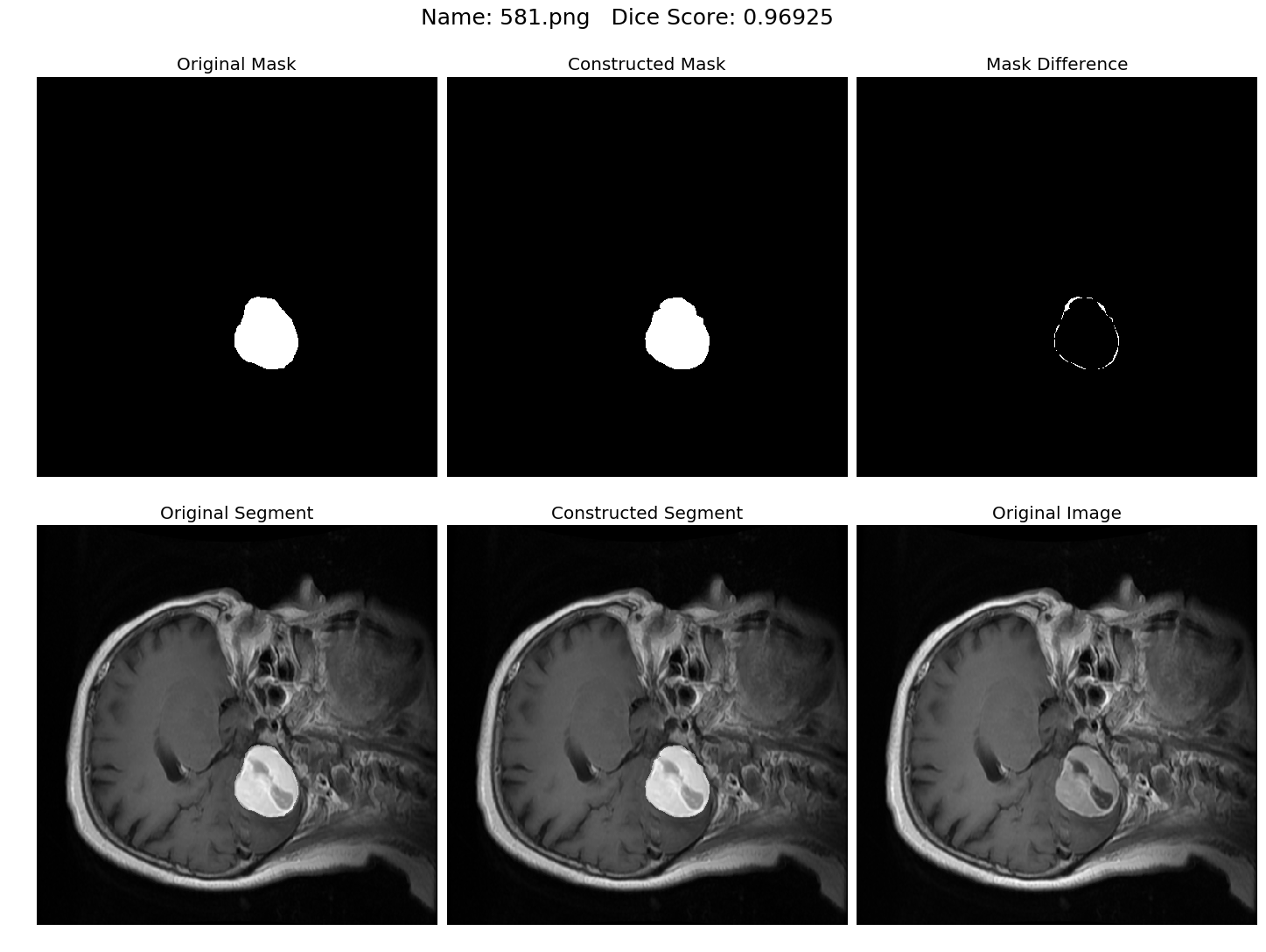
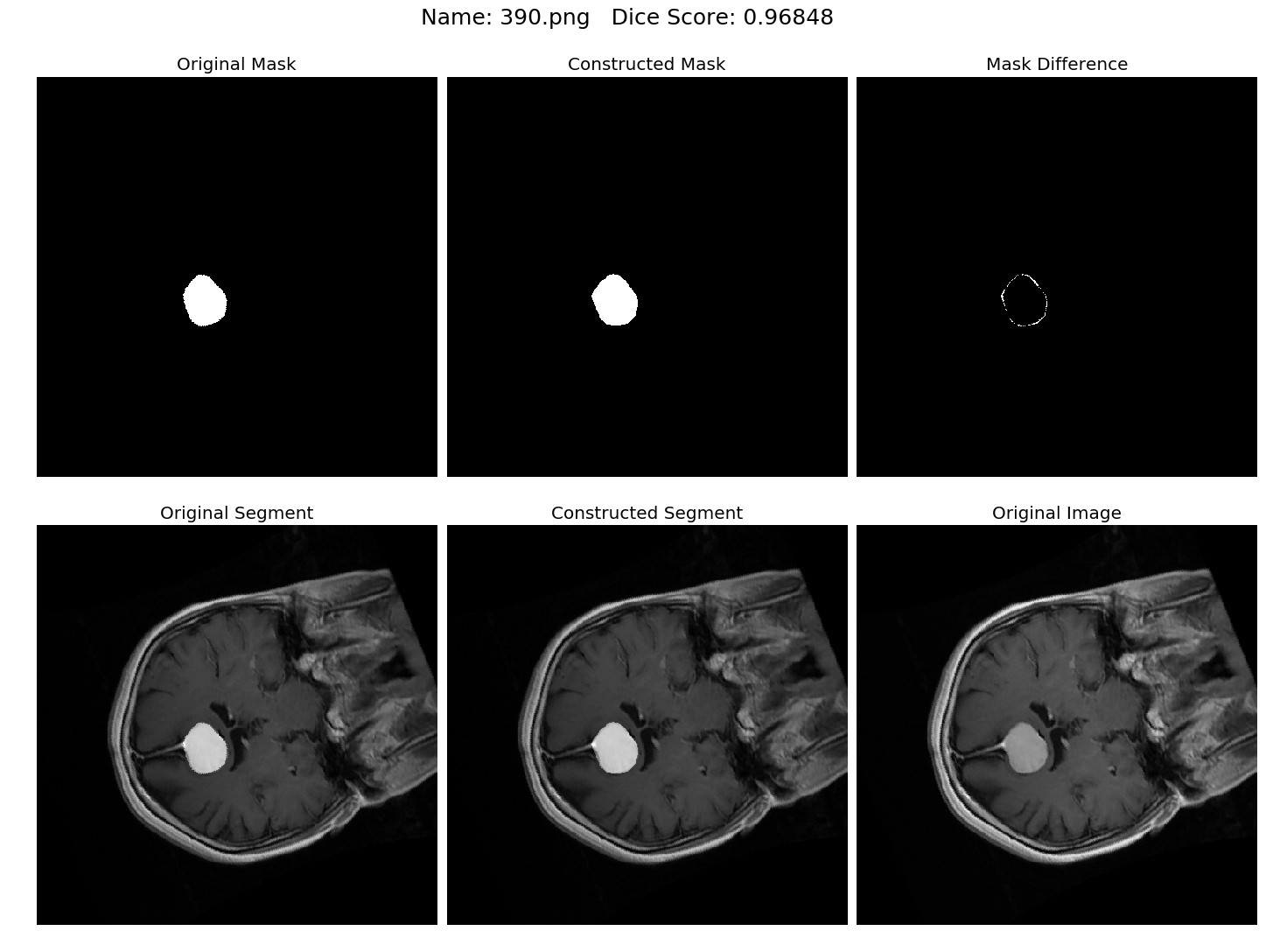
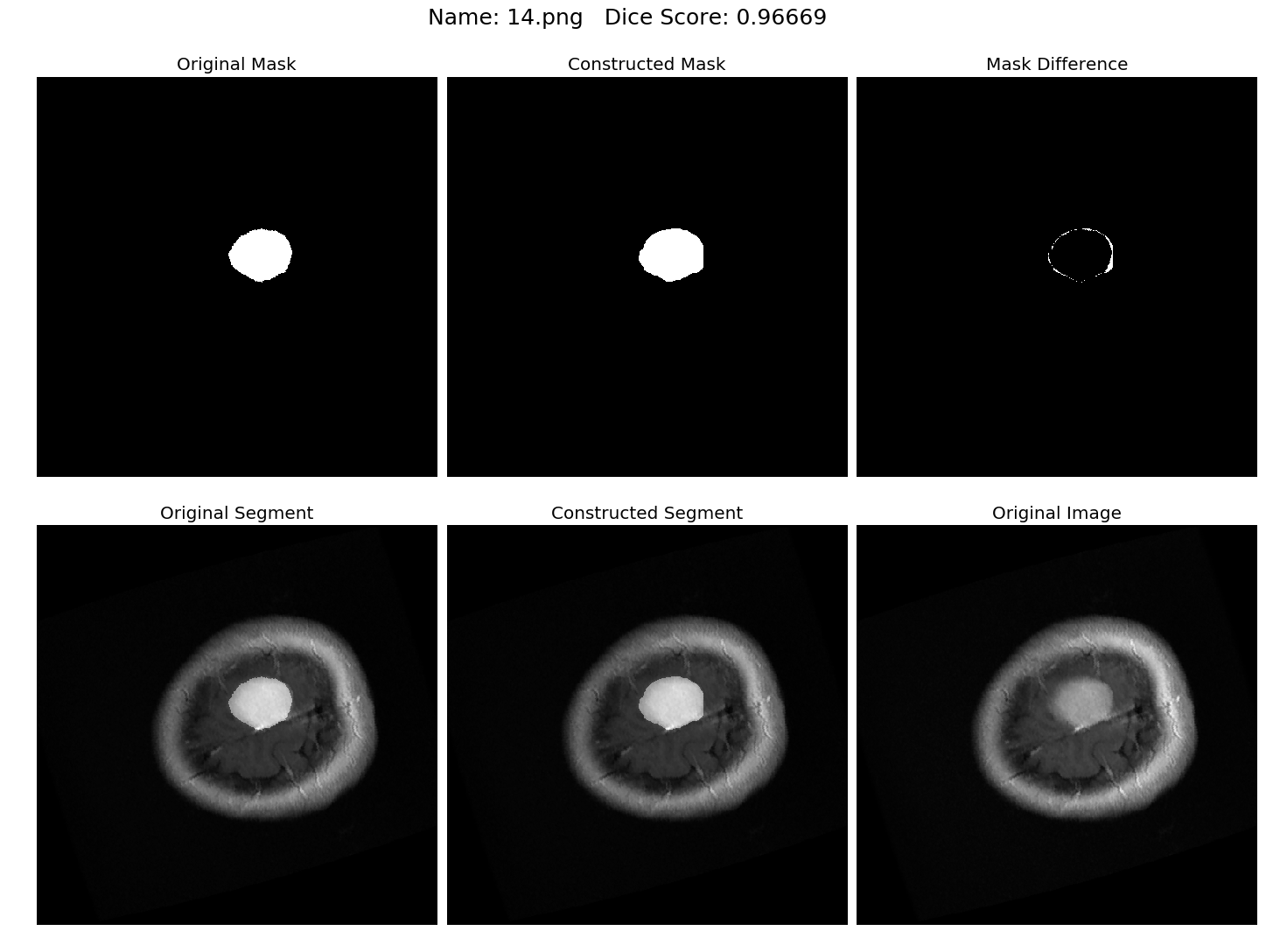
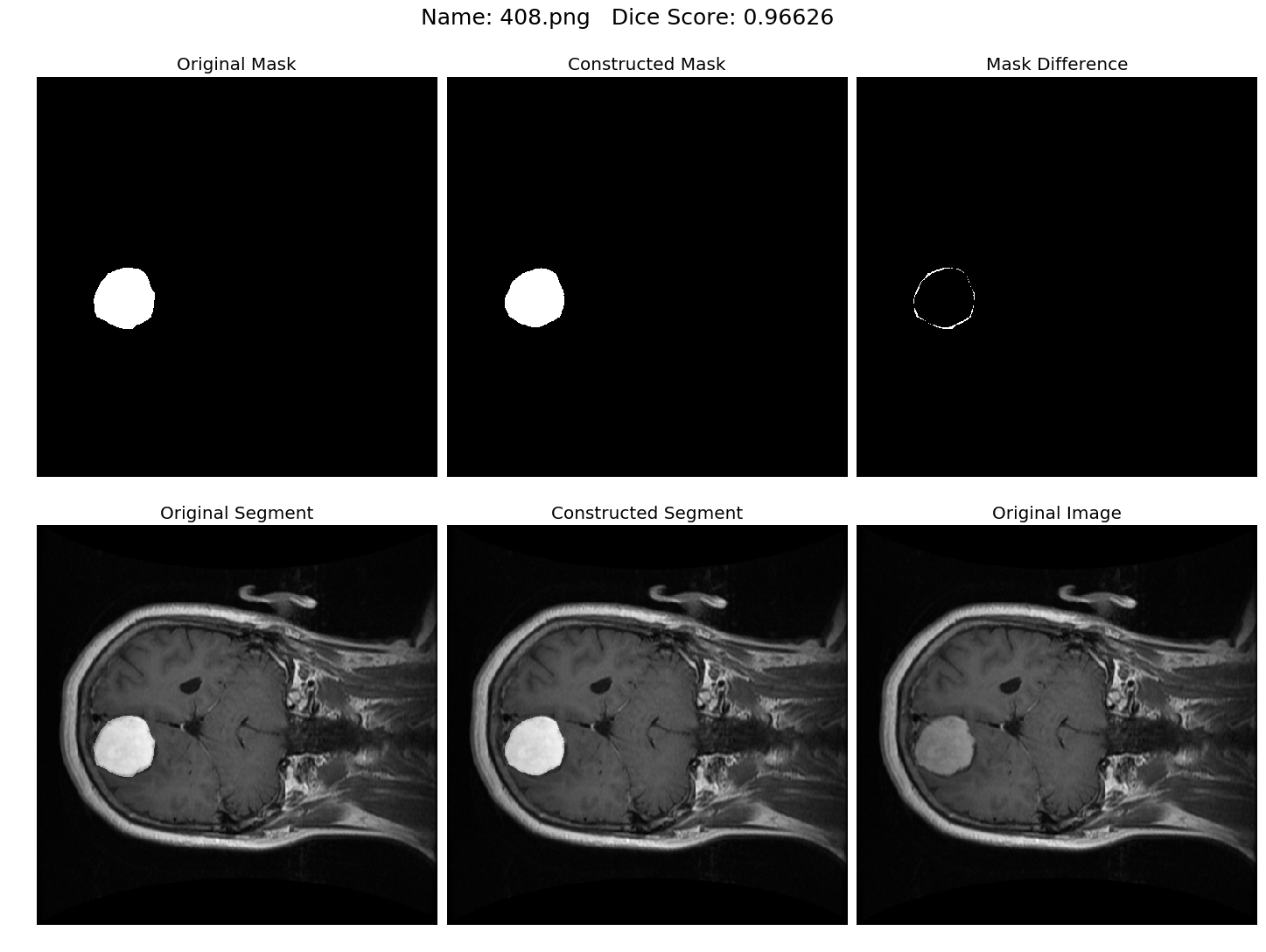
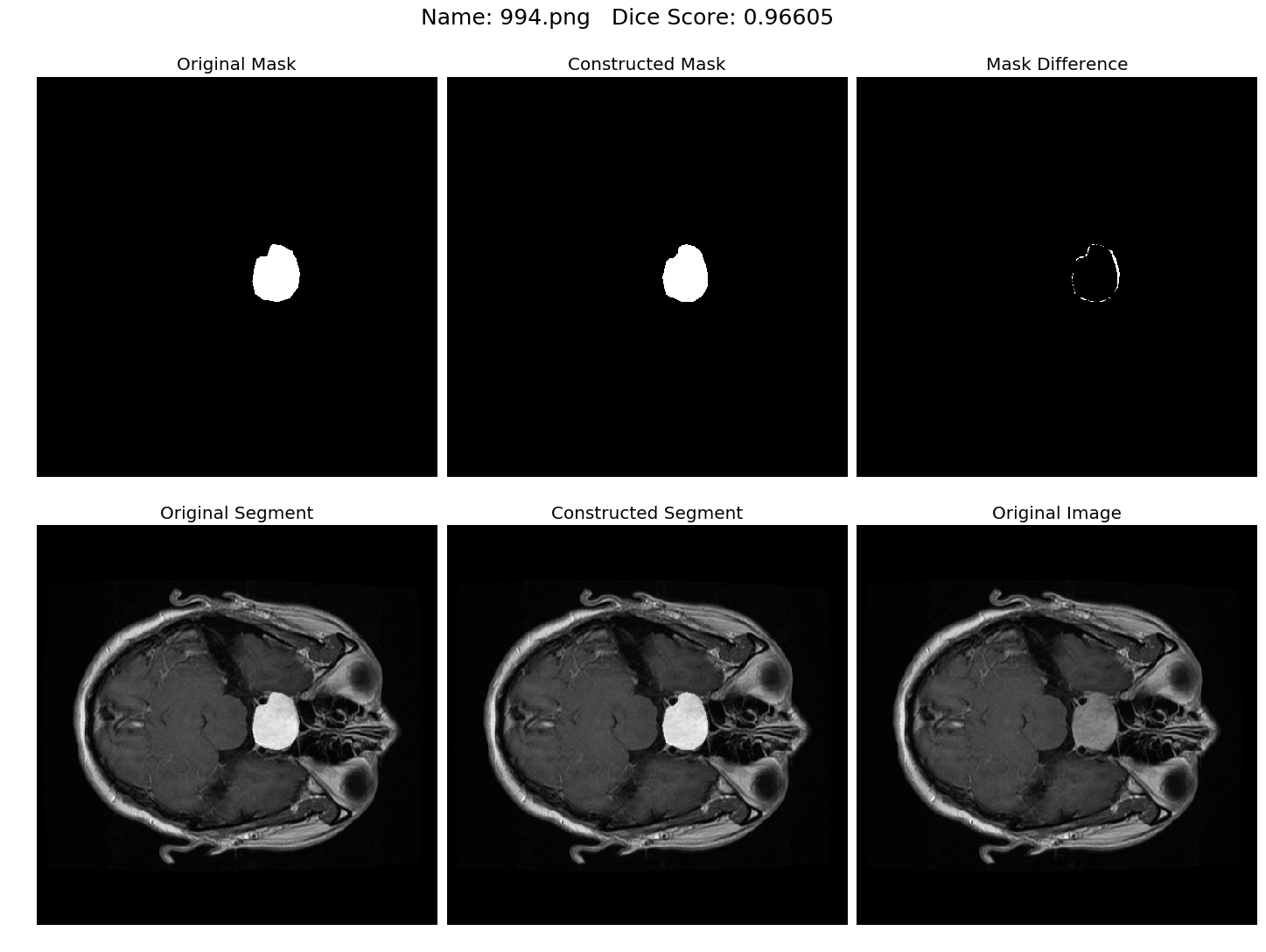
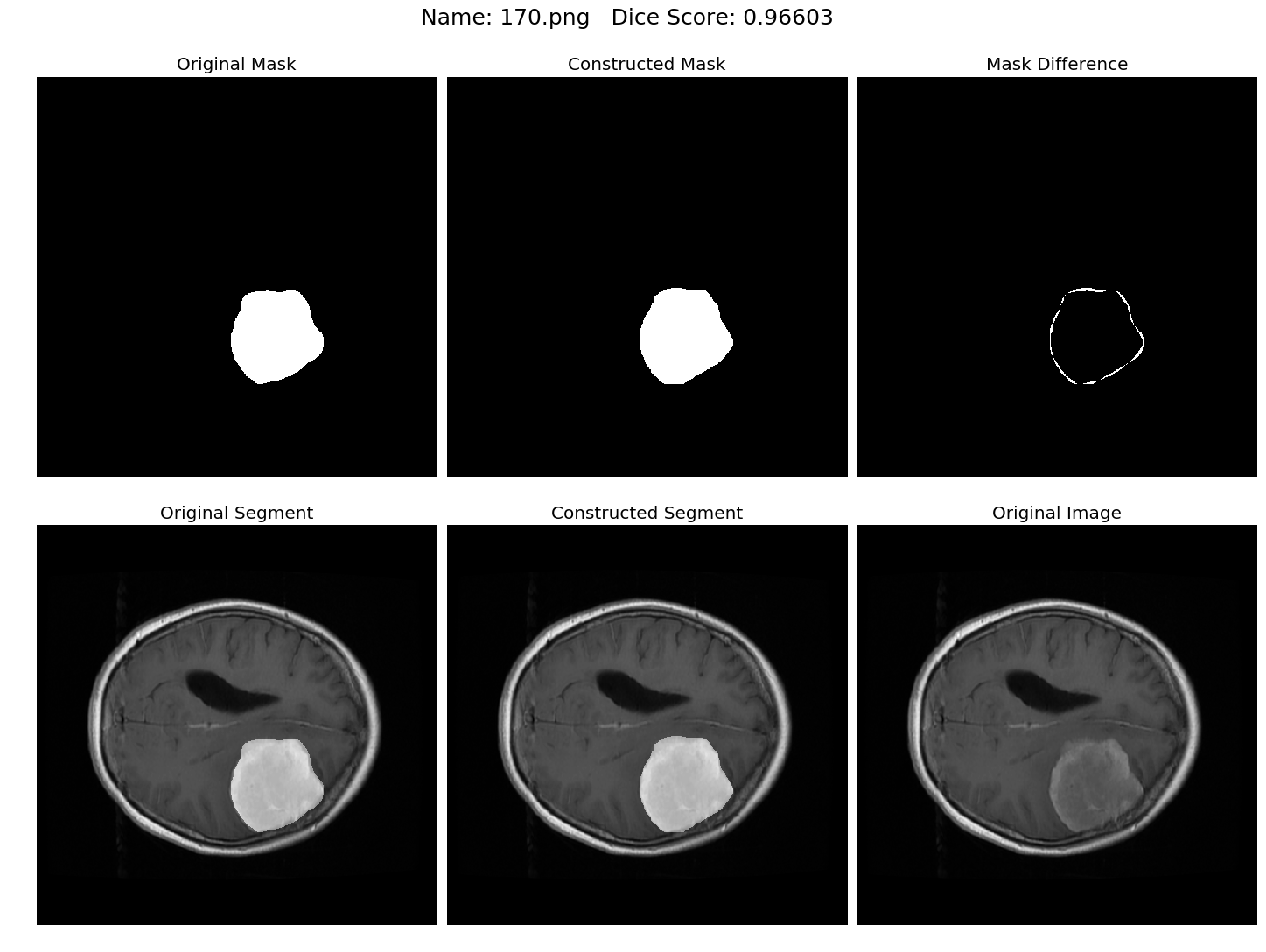
The mean Dice Score our model gained was 0.74461 in testing dataset of 600 images.
From this we can conclude that in our testing dataset our constructed mask has a similarity of about 74% with the original mask.
Some samples from our training dataset output are below. The top best results are here.To see all the results click on this Google Drive link
| . | . |
|---|---|
 |
 |
 |
 |
 |
 |
 |
 |
 |
 |
 |
 |
 |
 |
 |
 |
 |
 |
 |
 |
Contributing
Pull requests are welcome. For major changes, please open an issue first to discuss what you would like to change.
License
Explorar proyectos relacionados
tensorflow/tensorflow
Un framework de código abierto de aprendizaje automático para todos
201,585 estrellashuggingface/transformers
🤗 Transformers: el framework de definición de modelos para modelos de aprendizaje automático de vanguardia en texto, visión, audio y multimodal, tanto para inferencia como para entrenamiento.
168,948 estrellasAUTOMATIC1111/stable-diffusion-webui
Interfaz web de Stable Diffusion
165,301 estrellasComfy-Org/ComfyUI
La GUI, la API y el backend más potentes y modulares para modelos de difusión, con una interfaz de grafos y nodos. El motor de inferencia local más rápido del mundo.
146,661 estrellas