
linogaliana/python-datascientist
linogaliana/python-datascientist has 187 GitHub stars and 59 forks. GitHot measured 0 stars in 24 hours. Last checked 2026-11-15 11:20 UTC. Last push 2026-11-07.
Crecimiento de estrellas medido
- in 24h
- 0
- in 7 days
- Recopilando historial
- in 15 days
- Recopilando historial
- in 1 month
- Recopilando historial
Cambios netos en períodos que se solapan, no totales diarios. Los datos no disponibles se dejan en blanco. Las estrellas indican interés, no calidad.
Acerca de
Dépôt associé au cours Python pour data scientists (ENSAE 2e année)
Aprendizaje automáticoREADME.md
OriginalData Science with Python 



Lino Galiana • Data scientist, Insee (French national statistical institute)
Course given in two top French engineering schools (ENSAE and ENSAI) and available for self-paced learning.
[!NOTE]
This is the English 🇬🇧🇺🇸 version of theREADME. To see the French 🇫🇷 version, click here:

About
This 
Python
It is taught in two French engineering schools in 2n year (Master 1):
- ENSAE since 2021
- ENSAI from 2026
The material combines explanations, examples, and exercises, with an emphasis on reproducible and real-world datasets.
All chapters (notes, examples, and exercises available as Jupyter notebooks) are available at https://pythonds.linogaliana.fr/.
📌 License and attribution
This course is released under the Creative Commons CC BY-NC-SA license 
If you use this course material, please cite:
Galiana, Lino. 2025. Python pour la data science. https://doi.org/10.5281/zenodo.8229676
@book{galiana2025,
  author = {Galiana, Lino},
  title = {Python pour la data science},
  date = {2025},
  url = {https://pythonds.linogaliana.fr/},
  doi = {10.5281/zenodo.8229676},
  langid = {fr}
}
🎨 Gallery
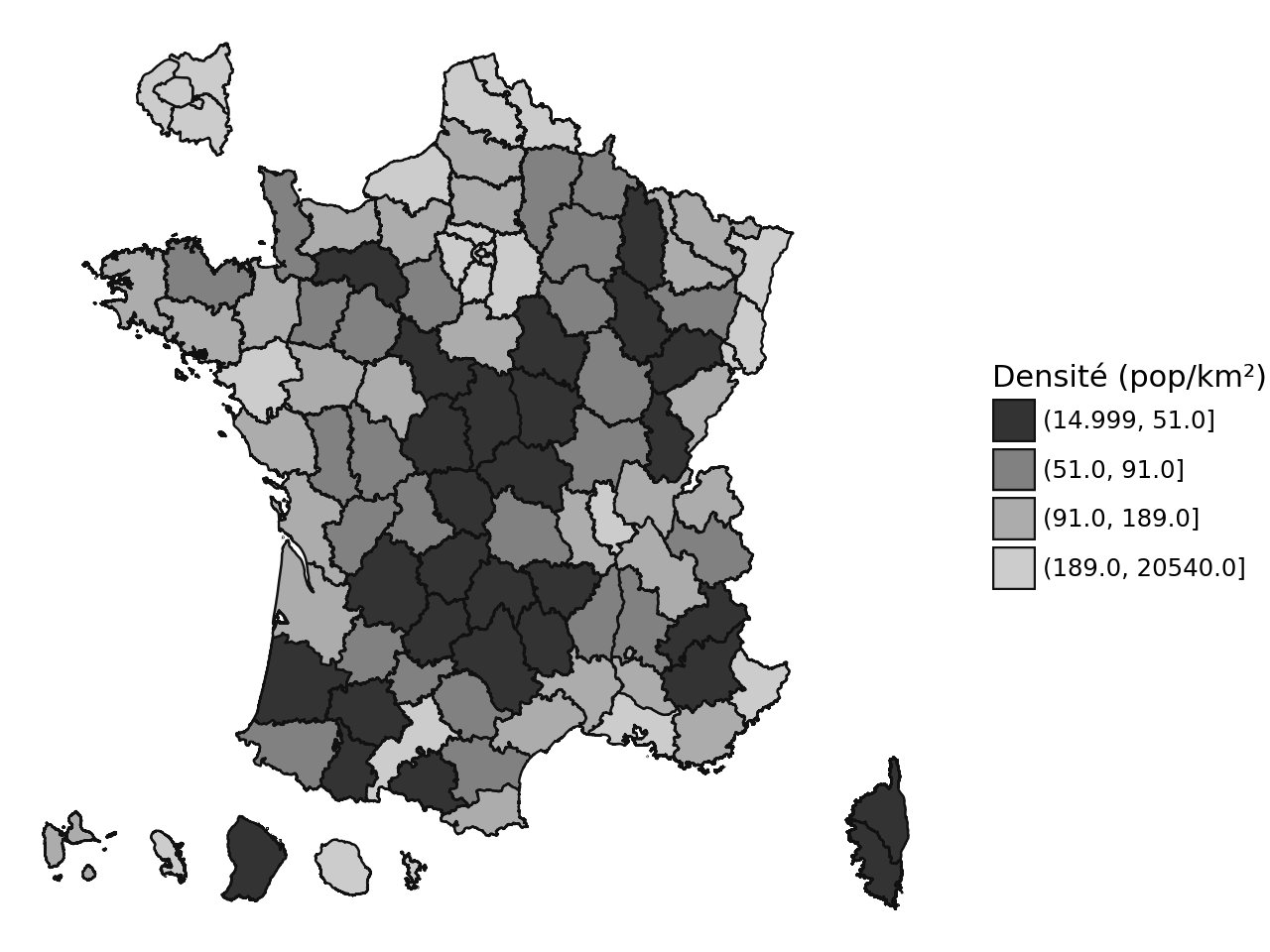
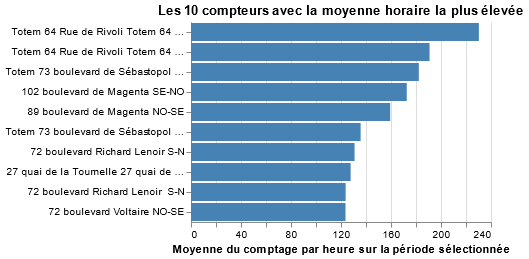
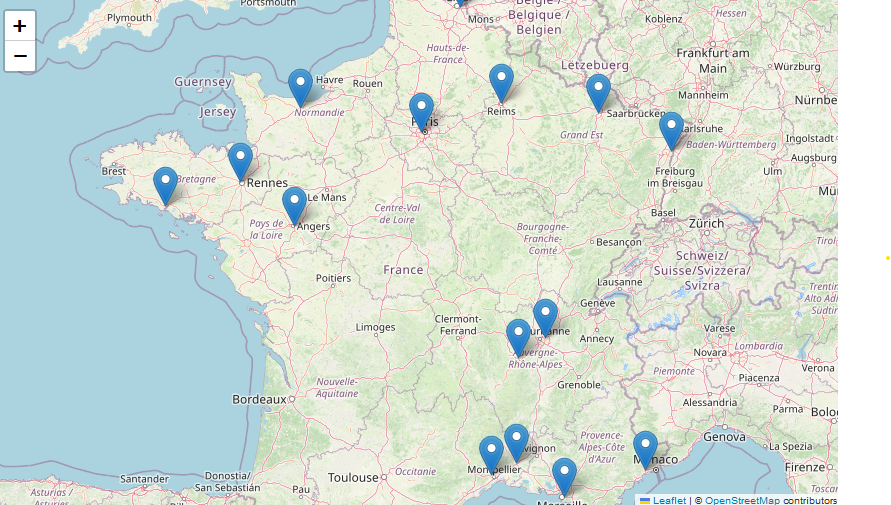
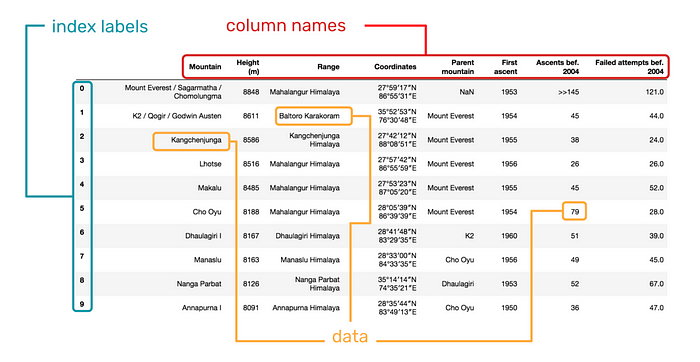
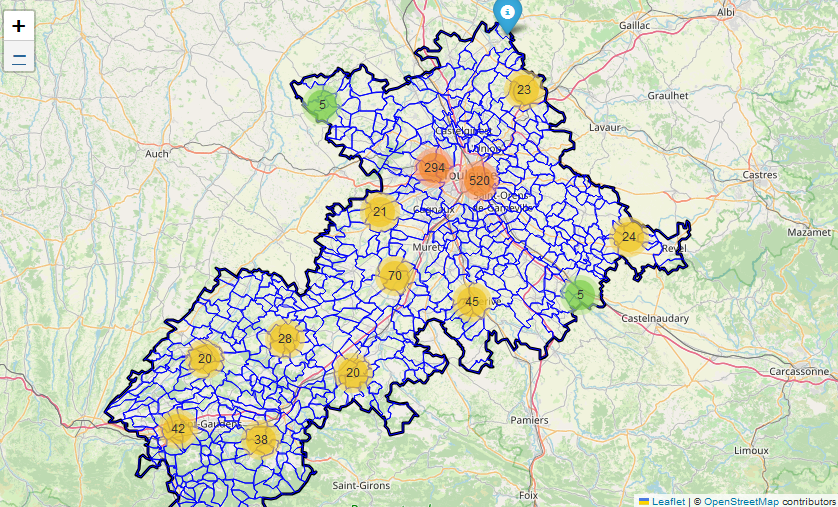
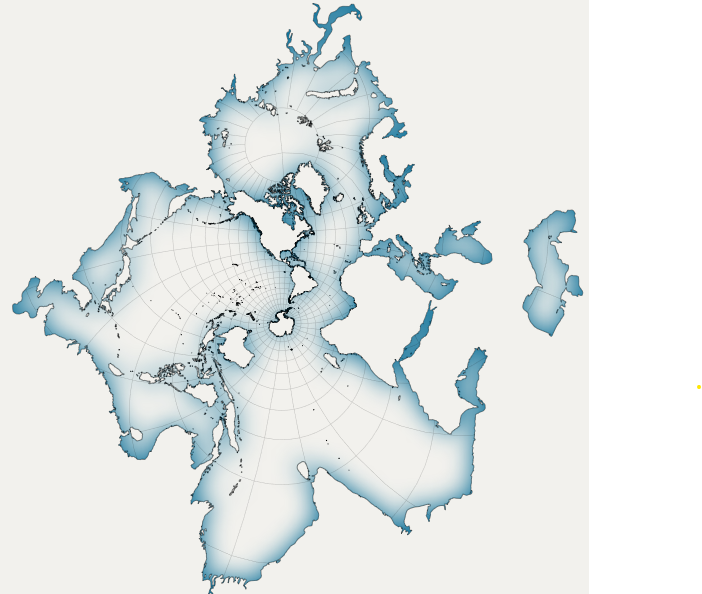
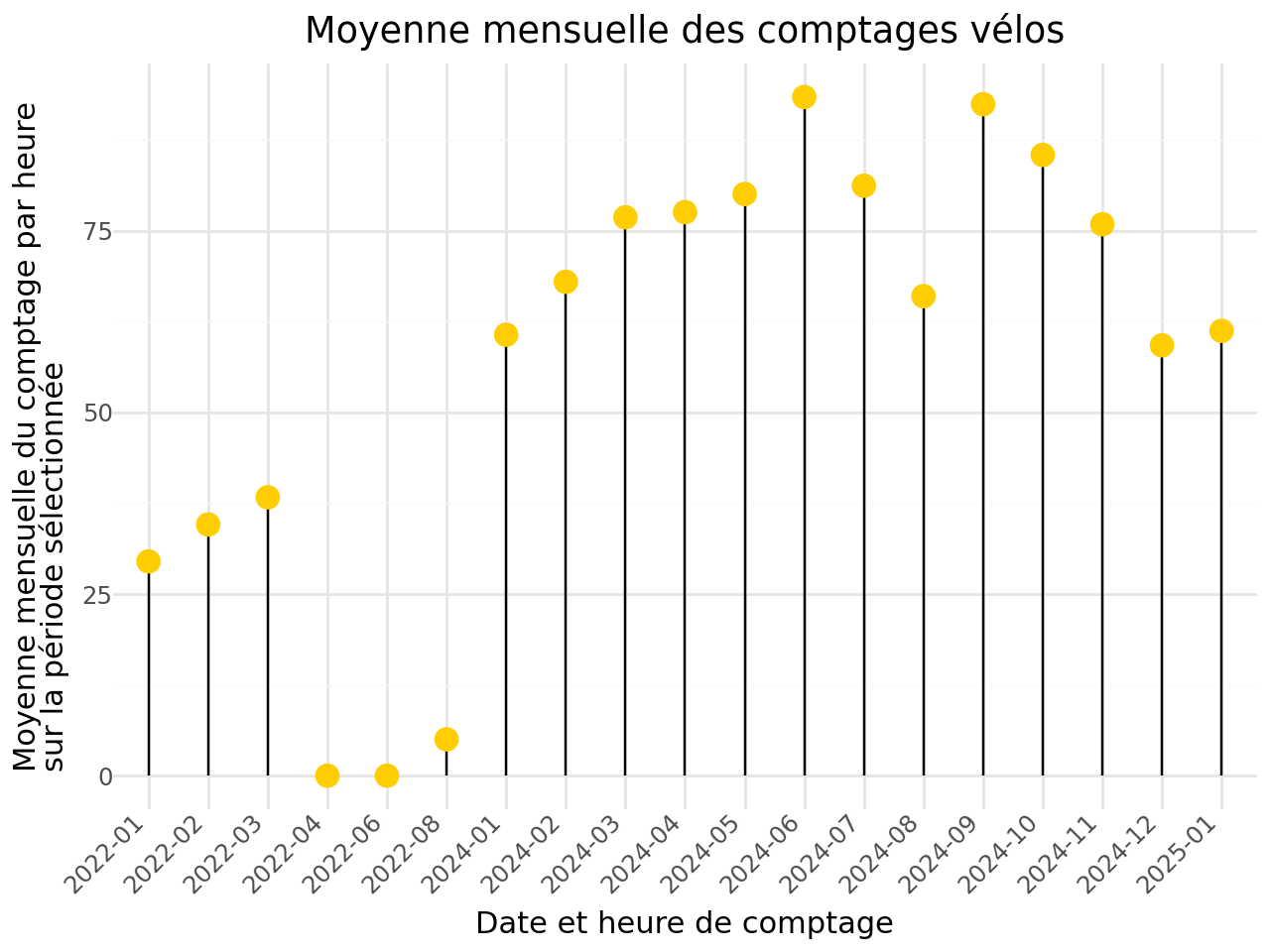
A few examples of figures produced during the course (click to open the course website):
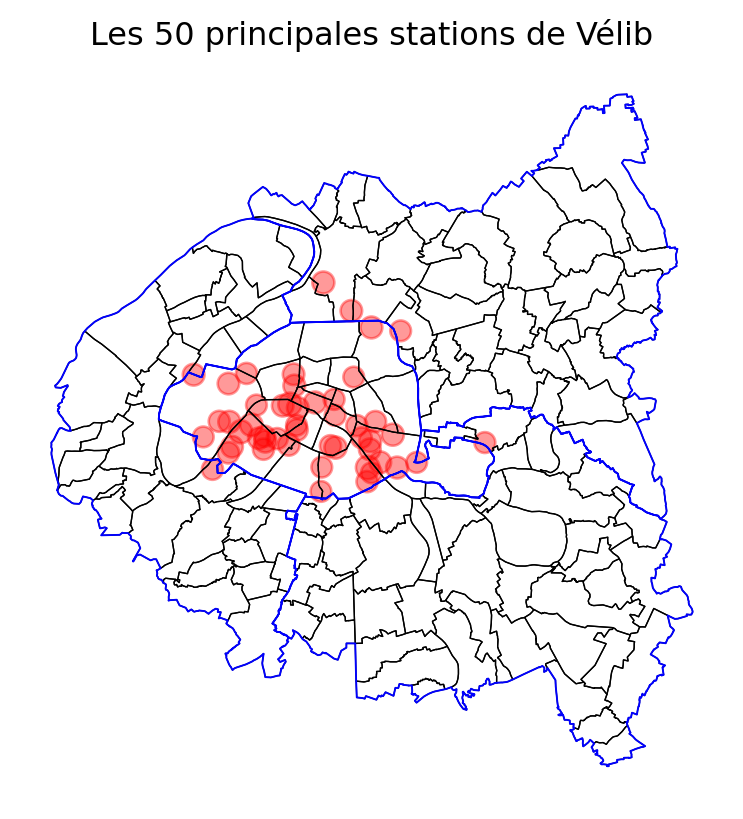
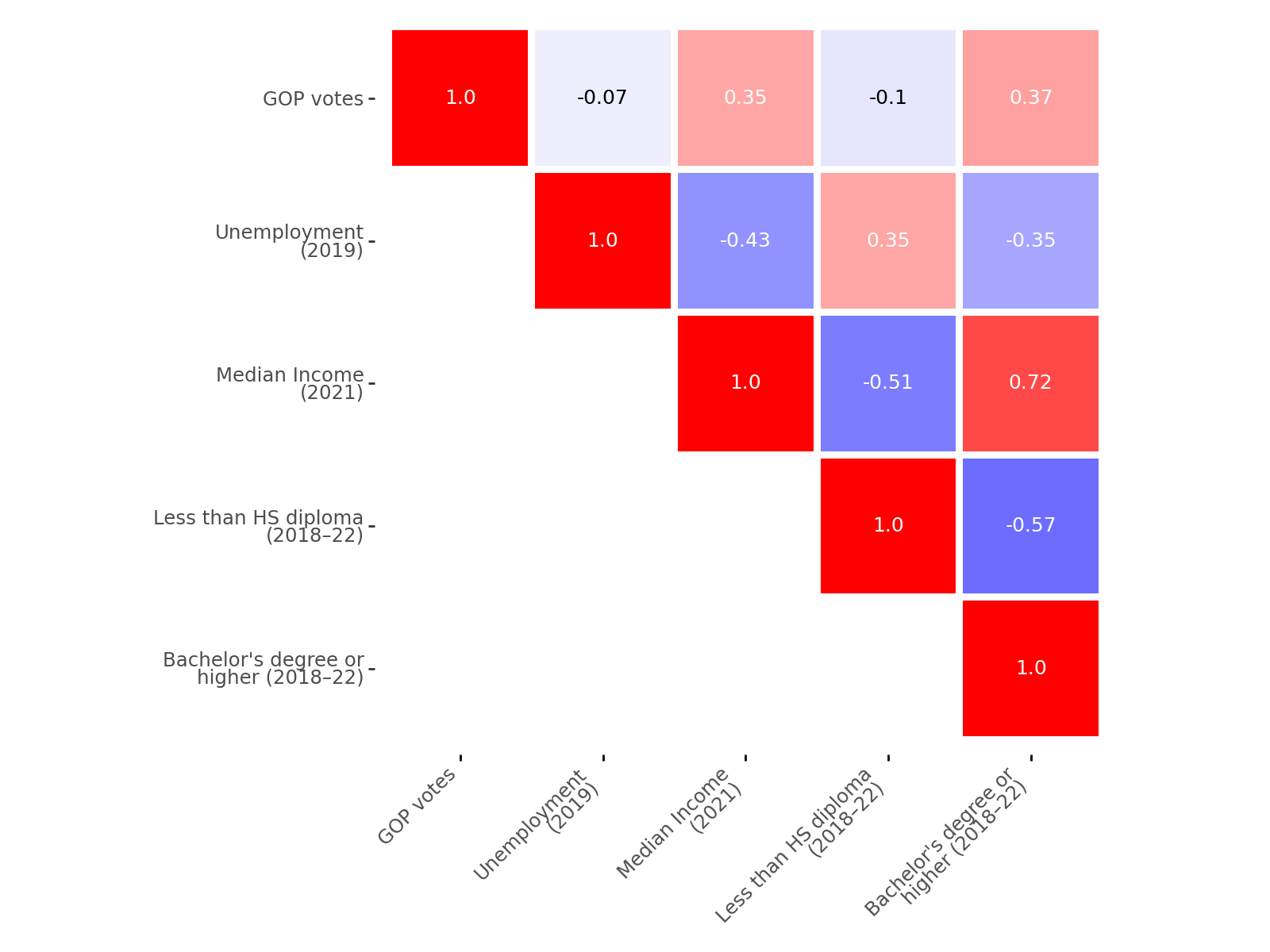
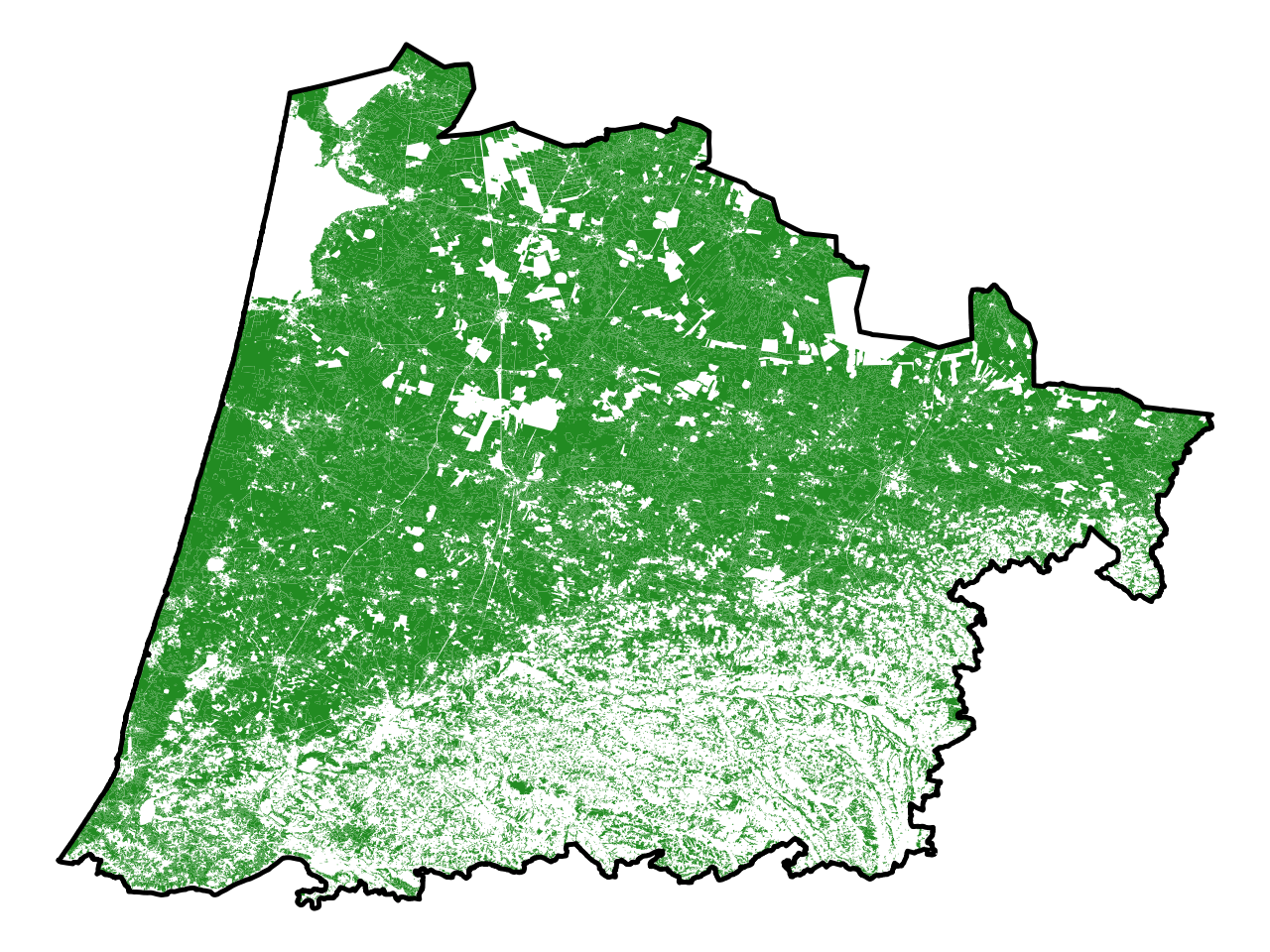
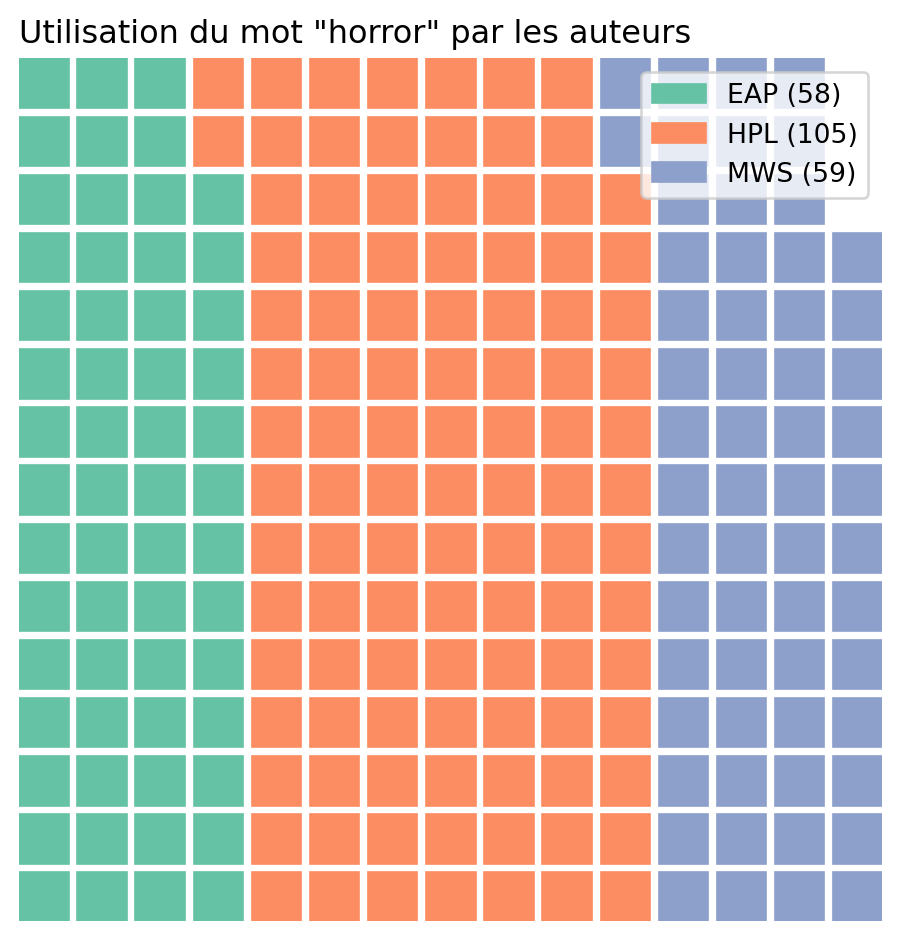
More examples
📖 Course content
This course is suitable for both beginners and advanced learners.
The syllabus below is fully clickable and collapsible.
1. Getting started: why Python for data science?
🔗 https://pythonds.linogaliana.fr/en/content/getting-started/
- Getting a functional Python environment for data science
- How to deal with a data set
- Python basics
2. Data wrangling
🔗 https://pythonds.linogaliana.fr/en/content/manipulation/
- Numpy, the foundation of data science
- Introduction to Pandas
- Data wrangling with Pandas
- Spatial data with GeoPandas
- Webscraping with Python
- Retrieving data with APIs
- Mastering regular expressions
- Importing data from Parquet and S3
3. Data visualisation and communication
🔗 https://pythonds.linogaliana.fr/en/content/visualisation/
- Building graphics with Python
- Introduction to cartography
4. Modeling
🔗 https://pythonds.linogaliana.fr/en/content/modelisation/
- Why preprocessing matters
- Evaluating model quality
- Introduction to classification
- Introduction to regression
- Feature selection
- Clustering
5. Natural Language Processing (NLP)
🔗 https://pythonds.linogaliana.fr/en/content/nlp/
- Cleaning and structuring texts
- Bag-of-words approach
- Text embeddings
🔗 Resources
The course content relies heavily on open data, including French datasets (from data.gouv and Insee) and American datasets.
Complementary course with Romain Avouac (@avouacr):
https://ensae-reproductibilite.github.io/website/
🚀 Accessing the course online
[!TIP]
Run examples instantly on SSP Cloud or Google Colab. Here is an example forPandaschapter:

🤝 Contributing
I welcome contributions!
[!NOTE]
See the guide for contributors:
