
bjornbytes/lovr has 2,628 GitHub stars and 178 forks. GitHot measured +2 stars in 24 hours, +4 in 7 days, and +6 in 15 days. Last checked 2026-11-24 07:03 UTC. Last push 2026-11-19.
What you can do
- Cross-Platform - Runs on Windows, macOS, Linux, and Android.
- Cross-Device - Supports any headset that works with OpenXR, and has a keyboard/mouse VR simulator.
- Beginner-friendly - Simple scenes can be created in just a few lines of Lua.
- Fast - Written in C11 and scripted with LuaJIT, includes optimized single-pass stereo rendering.
Crecimiento de estrellas medido
- in 24h
- +2
- in 7 days
- +4
- in 15 days
- +6
- in 1 month
- Recopilando historial
Cambios netos en períodos que se solapan, no totales diarios. Los datos no disponibles se dejan en blanco. Las estrellas indican interés, no calidad.
Acerca de
Framework de realidad virtual para Lua
Herramientas de desarrolloREADME.md
Original LÖVR
A simple Lua framework for rapidly building 3D games and VR experiences.


Homepage | Documentation | FAQ
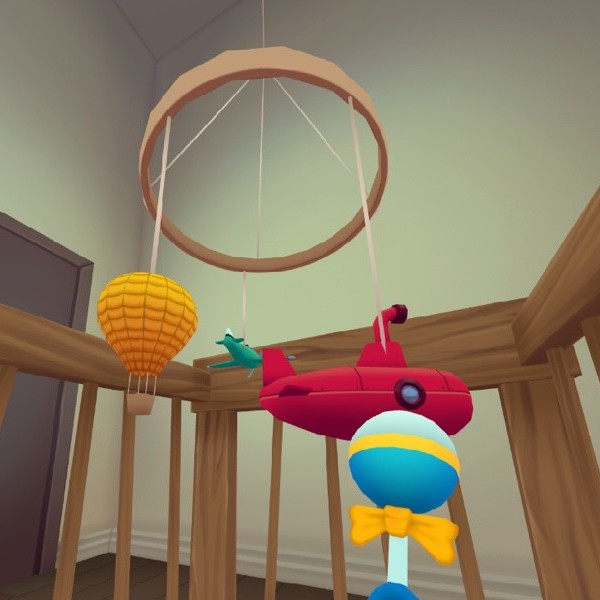
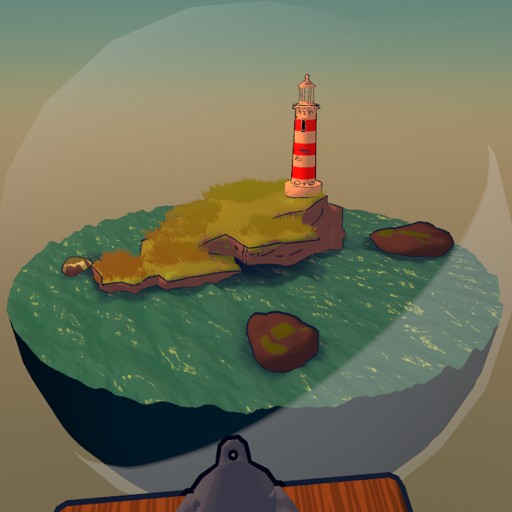
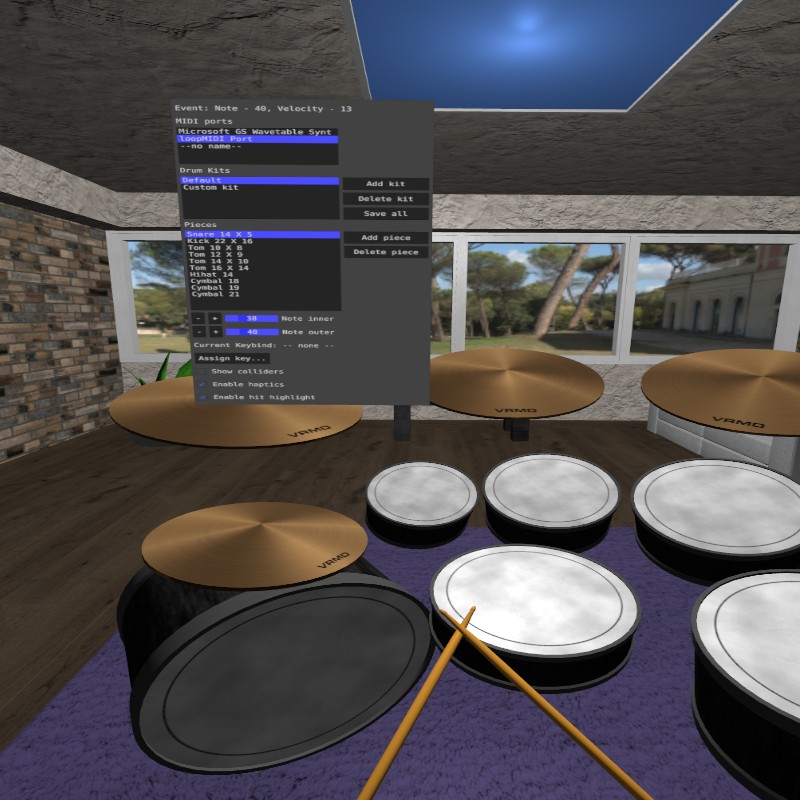
Features
- Cross-Platform - Runs on Windows, macOS, Linux, and Android.
- Cross-Device - Supports any headset that works with OpenXR, and has a keyboard/mouse VR simulator.
- Beginner-friendly - Simple scenes can be created in just a few lines of Lua.
- Fast - Written in C11 and scripted with LuaJIT, includes optimized single-pass stereo rendering.
- Tiny - The whole framework is just a couple of megabytes, and it's easy to disable/remove modules.
- Powerful GPU APIs - Compute shaders, ray tracing, indirect rendering, atomics, and more.
- Asset Import - Supports glTF models, skeletal animation, compressed textures, cubemaps, fonts, etc.
- 3D Rigid Body Physics - Includes JoltPhysics, with 7 collider shapes and 6 types of joints.
- Spatialized Audio - Uses SteamAudio for audio spatialization, with HRTFs, audio meshes, and reverb.
- Vector Library - Built-in 3D vectors, quaternions, and matrices.
Getting Started
It's really easy to get started making things with LÖVR. Grab a copy of the executable from https://lovr.org/downloads,
then write a main.lua script and drag it onto the executable. Here are some example projects to try:
Hello World
function lovr.draw(pass)
  pass:text('Hello World!', 0, 1.7, -3, .5)
end
Spinning Cube
function lovr.draw(pass)
  pass:cube(0, 1.7, -1, .5, lovr.timer.getTime())
end
Hand Tracking
function lovr.draw(pass)
  for _, hand in ipairs(lovr.headset.getHands()) do
    pass:sphere(vec3(lovr.headset.getPosition(hand)), .1)
  end
end
3D Models
function lovr.load()
  model = lovr.graphics.newModel('model.gltf')
end

function lovr.draw(pass)
  pass:draw(model, x, y, z)
end
More examples are on the docs page.
Building
You can build LÖVR from source using CMake. Here are the steps using the command line:
mkdir build
cd build
cmake ..
cmake --build .
See the Compiling Guide for more info.
Testing
Tests can be found in the test/lovr directory.
You can run all of LÖVR tests from the command line with the following:
./build/bin/lovr test
To run tests for a single module, pass the name of the module as an argument (e.g. this runs the tests for the data module):
./build/bin/lovr test data
Resources
- Documentation: Guides, tutorials, examples, and API documentation.
- FAQ: Frequently Asked Questions.
- Matrix: The LÖVR community for discussion and support.
- Nightly Builds: Nightly builds for Windows.
- Compiling Guide: Information on compiling LÖVR from source.
- Contributing: Guide for helping out with development 💜
- LÖVE: LÖVR is heavily inspired by LÖVE, a 2D game framework.
License
MIT, see LICENSE for details.
Explorar proyectos relacionados
Cargando…