
Pagepro/nexity
Über uns
Nexity is an open source system for starting and growing AI-native websites on Next.js + Sanity.
Web und AppsWhat you can do
- Page builder: about two dozen ready-made blocks (hero, feature grids, bento grid, split sections, stats, pricing, comparison table, testimonials, FAQ, contact form, CTA, listings and more). Each block has shared options: visibility, light/dark theme, dividers and an anchor ID.
- Content types: pages, blog, case studies, podcast episodes, reusable libraries (authors, testimonials, integrations), shared sections, global sections injected across URL areas, header, footer and site settings.
- Editing: Studio at /admin on the same domain, click-to-edit visual preview, live draft preview, tag-based revalidation on publish (no rebuilds), and a Sections Gallery with sample content for every block.
- Redirects and rewrites managed in the CMS, live about two minutes after publishing, with patterns, query-string passthrough and loop protection.
Gemessener Sternzuwachs
- in 24h
- +2
- in 7 days
- +11
- in 15 days
- Verlauf wird gesammelt
- in 1 month
- Verlauf wird gesammelt
Nettoänderungen in überlappenden Zeiträumen, keine Tagessummen. Fehlende Messwerte bleiben leer. Sterne zeigen Interesse, nicht Qualität.
README.md
OriginalNexity
Nexity is an open source system for starting and growing AI-native websites on Next.js + Sanity. Its starter, base/, is a pnpm monorepo with two packages:
web/: the Next.js 16 app (App Router, Tailwind CSS 4, TypeScript), with the Sanity Studio embedded at/admin.studio/: a standalone Sanity Studio with the same schemas. Schemas live here andweb/imports them.
This repository holds the starter, a demo site built on it (theme-meridian/) and, in .agents/, the agent layer that works with them: skills and read-only agents (reviewers, auditors) for any coding agent (Claude Code, Codex, Cursor and others).
Stack
| Version | |
|---|---|
| Next.js | 16.4 (App Router, Turbopack) |
| React | 19.3 |
| Sanity Studio | 6.20 (next-sanity 13.3, @sanity/client 8.11) |
| Tailwind CSS | 4.3, with shadcn/ui |
| TypeScript | 7.0 |
| Zod | 4.6 |
| Oxlint / Oxfmt | 1.89 / 0.74 |
| c15t (cookie consent) | 3.1 (@c15t/nextjs) |
| Resend | 6.34 |
| Node.js | 22.12 or newer |
| pnpm | 12.15 |
Versions are the minimums in each starter's package.json; both starters use the same ones.
Start here
| Entry | What you get | How to start |
|---|---|---|
base/ |
Unbranded starter. Same features as Meridian, neutral look (default Tailwind palette, Inter). Starts on an empty dataset and shows a Next steps screen until you add the first content. | npm create sanity@latest -- --template Pagepro/nexity/base |
theme-meridian/ |
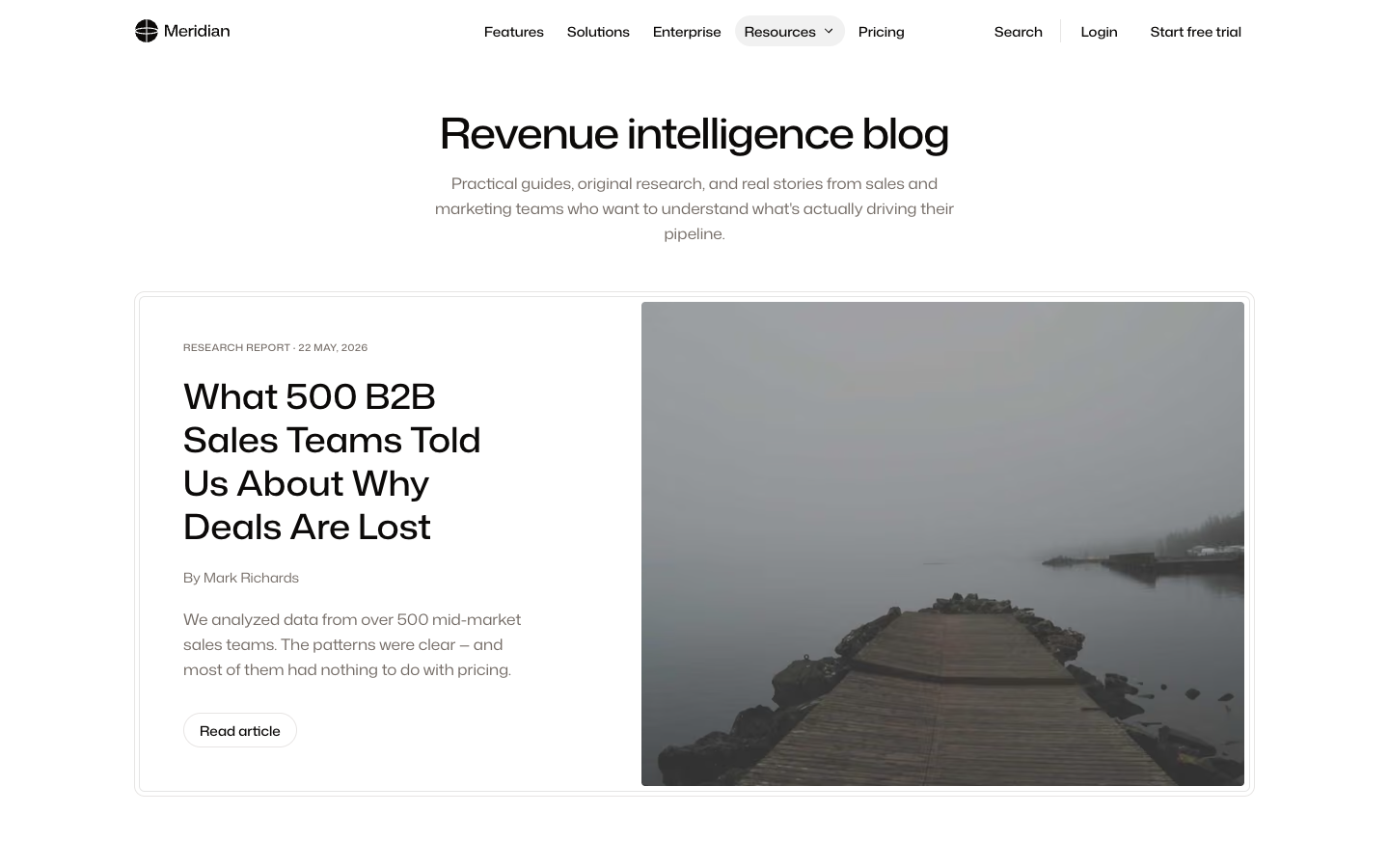
Demo site for Meridian, a fictional B2B brand: full design, product mocks and seed content. | npm create sanity@latest -- --template Pagepro/nexity/theme-meridian, then pnpm seed |
.agents/ |
Agent skills and read-only agents for setting up a project, creating sections, fixing links, writing alt texts and auditing Sanity use. | Copy or symlink into your project's .agents/ (see Agent layer) |
sanity init creates or picks a Sanity project and dataset, downloads the starter folder, writes web/.env.local and studio/.env with the project id and dataset, creates the API tokens, adds the localhost CORS origins and installs the dependencies. Then:
pnpm dev # http://localhost:3000 (site) and http://localhost:3000/admin (Studio)
Locally, the standalone Studio at http://localhost:3333 (also started by pnpm dev) reloads faster than /admin. Production serves only the Studio embedded at /admin.
In theme-meridian/, run pnpm seed to import the Meridian dataset (pages, posts, case studies, images) into the dataset you picked. The seed replaces documents with the same IDs, so use a fresh dataset.
Each starter has its own README.md and docs/ with setup details, environment variables and deployment notes.
Screenshots
base |
theme-meridian |
|---|---|
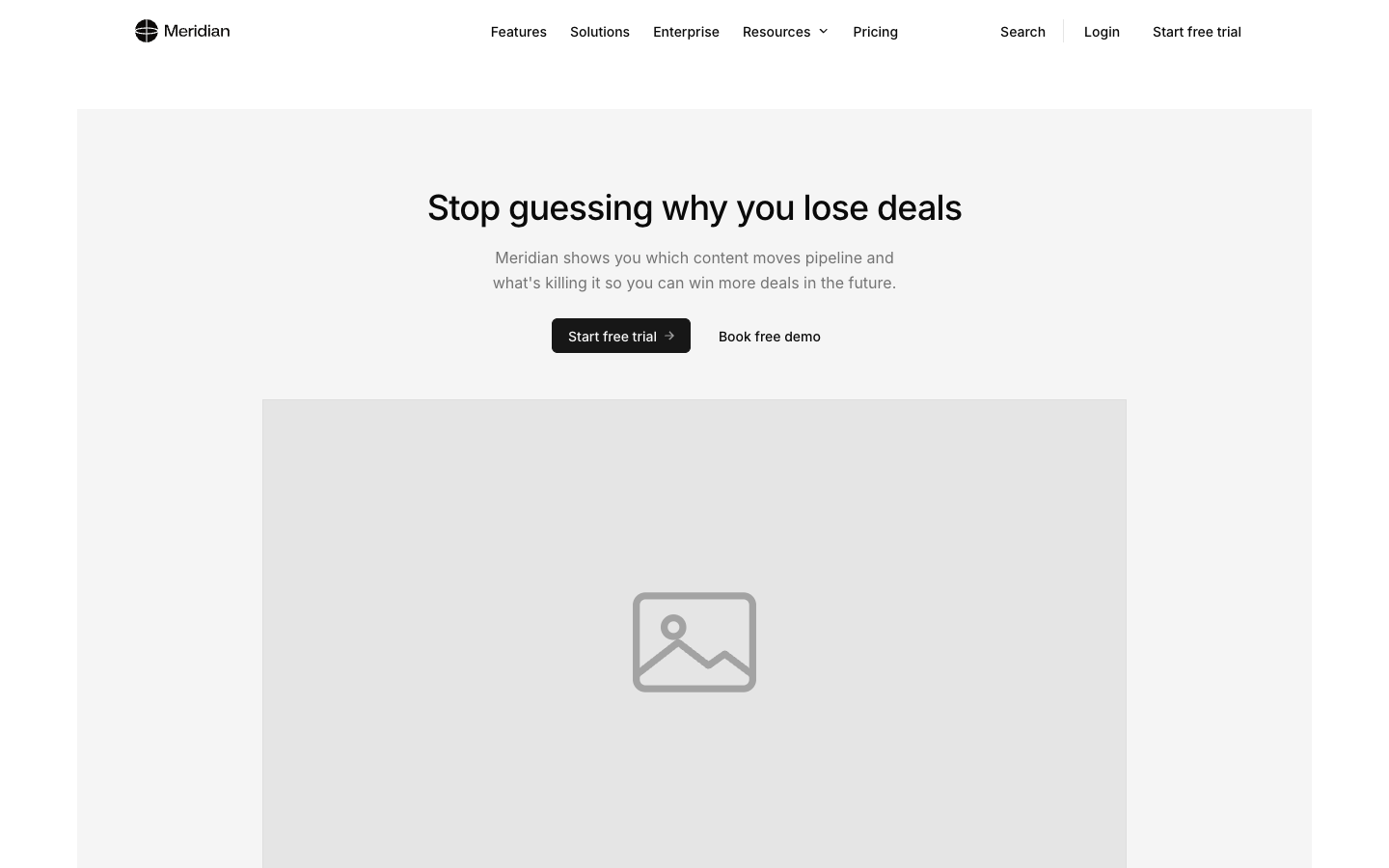 |
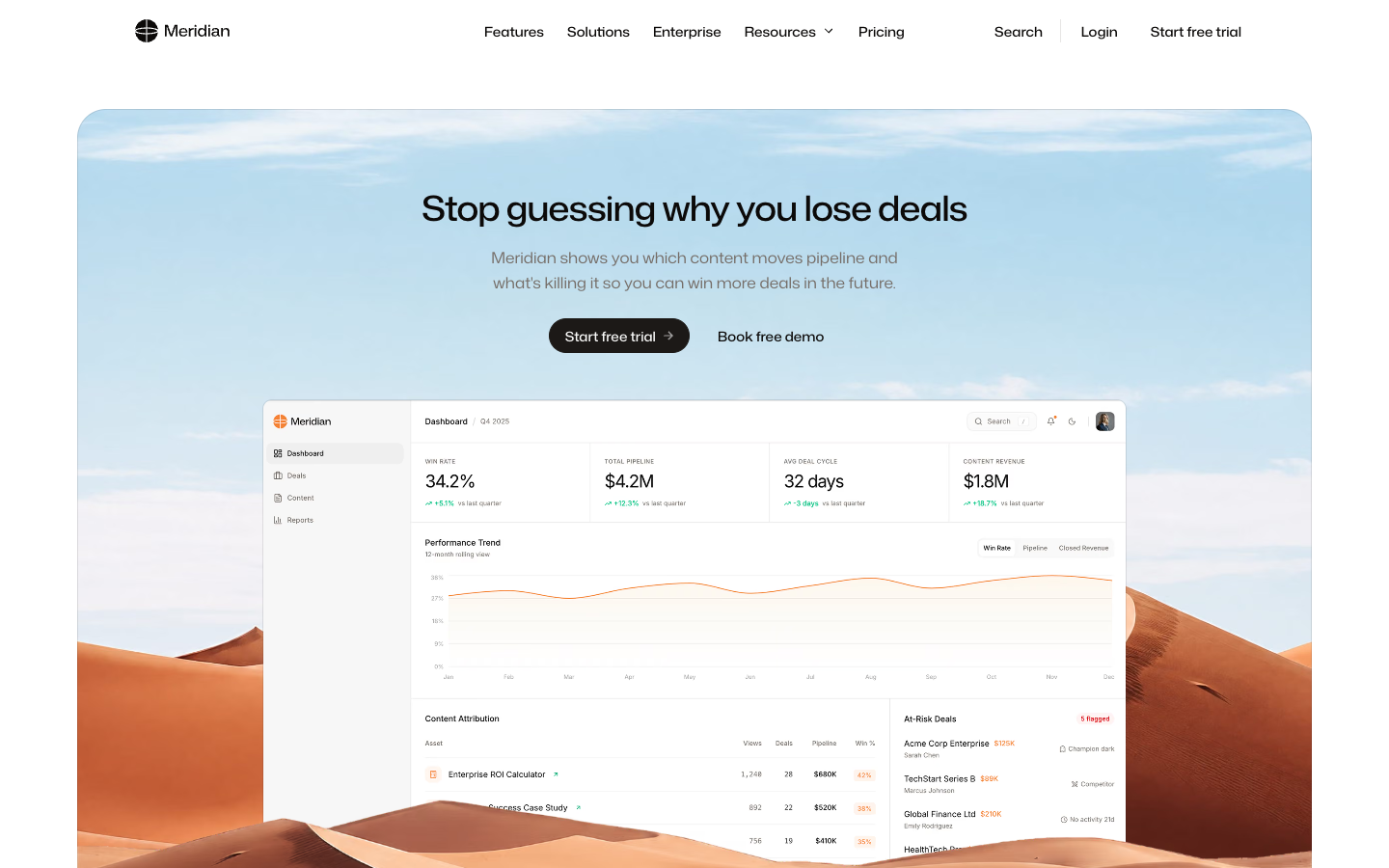 |
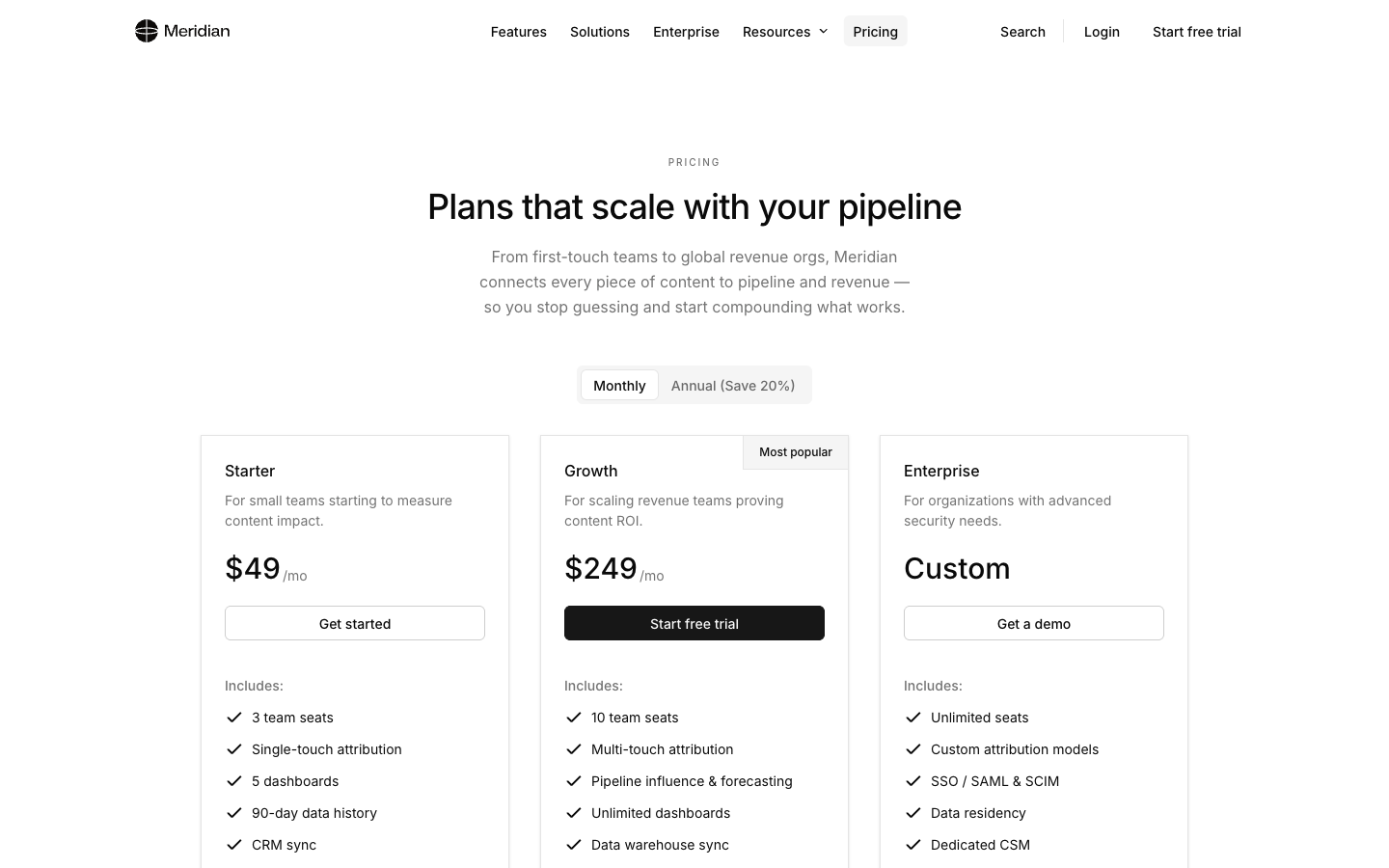 |
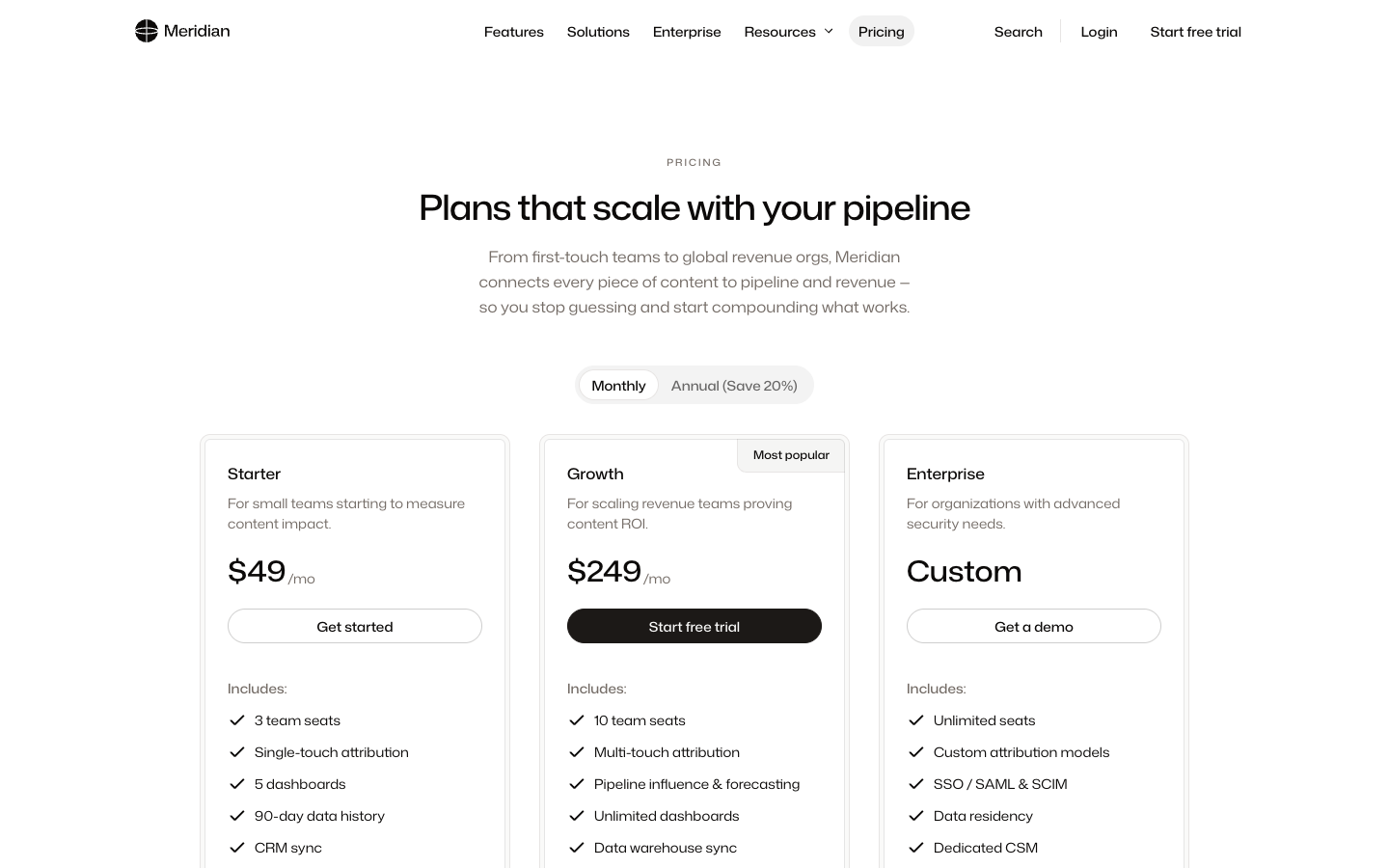 |
 |
 |
Features
Both starters have the same features. They differ only in look and seed content. The full list for editors and marketers is in each starter's docs/FEATURES.md.
- Page builder: about two dozen ready-made blocks (hero, feature grids, bento grid, split sections, stats, pricing, comparison table, testimonials, FAQ, contact form, CTA, listings and more). Each block has shared options: visibility, light/dark theme, dividers and an anchor ID.
- Content types: pages, blog, case studies, podcast episodes, reusable libraries (authors, testimonials, integrations), shared sections, global sections injected across URL areas, header, footer and site settings.
- Editing: Studio at
/adminon the same domain, click-to-edit visual preview, live draft preview, tag-based revalidation on publish (no rebuilds), and a Sections Gallery with sample content for every block. - Redirects and rewrites managed in the CMS, live about two minutes after publishing, with patterns, query-string passthrough and loop protection.
- SEO: per-page title, description, share image, noindex/nofollow, canonical and hreflang; generated share images; XML sitemap;
robots.txtwith a singleIS_INDEXABLElaunch switch; schema.org JSON-LD; pre-launch GROQ checks for missing or out-of-range titles and descriptions (docs/guides/before-release.md). - Content for AI agents:
llms.txt, and every page as Markdown (add.mdto any URL). - Site basics: GDPR cookie consent (c15t), Google Tag Manager by env var, a contact form sent through Resend, image optimization through the Sanity CDN, a PWA manifest.
- Infrastructure as code:
sanity.blueprint.tssets up CORS origins and the revalidation webhook from env vars. - Tooling: TypeScript, Sanity TypeGen, Zod-validated env vars, Oxlint and Oxfmt.
- Agent layer:
AGENTS.md(how to build),DESIGN.md(how it looks) andBRAND.md(what it says) give any coding agent the project's rules, plus skills and read-only agents in.agents/. See Agent layer.
Agent layer
Every coding agent working on a Nexity project reads the same files. Nothing in them is tied to one vendor.
| File | Role | Read by |
|---|---|---|
AGENTS.md (root, web/, studio/) |
How to build: architecture, commands, conventions, the step-by-step checklists | Codex, Cursor and most agents natively; Claude Code through CLAUDE.md, a one-line @AGENTS.md import |
DESIGN.md |
How it looks: tokens in the frontmatter, then section anatomy and do's and don'ts | Every skill that touches what a visitor sees, and styling-fidelity-reviewer |
BRAND.md |
What it says (a filled-in example in Meridian, a template in base): audience, voice, messaging, the invented world of names and numbers |
create-section, project-setup, generate-alts, product-mock |
.agents/skills/<name>/SKILL.md |
Repeatable workflows (set up a project, create a section, fix links, write alts, audit Sanity use) in the open Agent Skills format | Codex from .agents/skills/; Claude Code from .claude/skills/, a symlink to it |
.agents/agents/<name>.md |
Read-only reviewers and auditors with a fixed checklist and output format | Claude Code as subagents (.claude/agents/ symlink); any other agent reads the file and walks the checklist |
In this repository the symlinks are already in place, so Claude Code and Codex both pick up the skills when you open it. The skills and agents are plain files, not a plugin, and sanity init --template does not bring them along, so copy or symlink the ones you want into your project. Keep .agents/ as the one copy and point Claude Code at it with two relative symlinks:
# without a clone: fetch one skill, or all agents
npx degit Pagepro/nexity/.agents/skills/create-section .agents/skills/create-section
npx degit Pagepro/nexity/.agents/agents .agents/agents

# from your project root, with this repository cloned next to it
mkdir -p .agents/skills .agents/agents

# copy a skill
cp -R ../nexity/.agents/skills/create-section .agents/skills/

# or symlink it, so it follows updates to the clone
ln -s "$(realpath ../nexity/.agents/skills/create-section)" .agents/skills/create-section

# agents used by the skills
cp ../nexity/.agents/agents/*.md .agents/agents/

# Claude Code reads .claude/; point it at the same files
mkdir -p .claude && ln -s ../.agents/skills .claude/skills && ln -s ../.agents/agents .claude/agents
- Building a site:
project-setup,create-section,sanity-module-catalog,pr-writeup,work-humanizer,product-mock.product-mockworks only intheme-meridian.pr-writeupneedswork-humanizernext to it. - Maintaining a site:
link-fix,generate-alts,sanity-optimizations. - For marketers, in this repository only (any site and any CMS, read-only by default, not in the starters):
brand-kit,site-contradictions,blog-post-quality-review,internal-links,blog-post-update(needsblog-post-quality-review,source-reviewandwork-humanizernext to it). They install as the Claude Code pluginmarketing-skills(/plugin marketplace add Pagepro/nexity, then/plugin install marketing-skills@nexity) or withnpx skills add Pagepro/nexity;marketing-setupthen walks a marketer through the rest. Start fromMARKETING-SKILLS-README.md. - Agents in
.agents/agents/: the reviewerscontent-model-architect,styling-fidelity-reviewer,sanity-schema-reviewerandgroq-parity-reviewer(run bycreate-section) andlink-reviewer(run bylink-fixandcreate-section); the auditorssanity-query-auditor,sanity-image-auditorandsanity-delivery-auditor(run bysanity-optimizations); andalt-text-writer(run bygenerate-alts). work-humanizercomes from phuryn/work-humanizer (MIT, license file kept in the skill folder).
.agents/README.md describes each skill and agent; docs/guides/skills.md in either starter covers installing them.
Requirements
- Node.js 22.12 or newer (see
.nvmrcin each starter) - pnpm 12.15 (pinned in each starter's
packageManagerfield;corepack enablepicks it up) - A Sanity account (free plan works)
Contributing
See CONTRIBUTING.md. To report a vulnerability, see SECURITY.md.
License
MIT © 2026 Pagepro
Ähnliche Projekte entdecken
Wird geladen…