
PacktPublishing/3D-Graphics-Rendering-Cookbook-Second-Edition
Über uns
3D-Rendering-Kochbuch, 2. Auflage
Kreativität und MedienGemessener Sternzuwachs
- in 24h
- 0
- in 7 days
- +1
- in 15 days
- Verlauf wird gesammelt
- in 1 month
- Verlauf wird gesammelt
Nettoänderungen in überlappenden Zeiträumen, keine Tagessummen. Fehlende Messwerte bleiben leer. Sterne zeigen Interesse, nicht Qualität.
README.md
OriginalVulkan 3D Graphics Rendering Cookbook - 2nd Edition 
A comprehensive guide to exploring rendering algorithms in modern Vulkan
by Sergey Kosarevsky & Viktor Latypov & Alexey Medvedev
This is the code repository for Vulkan 3D Graphics Rendering Cookbook - 2nd Edition, published by Packt in 2025.
Discord: https://discord.com/invite/bEyHyKCrvq
What is this book about?
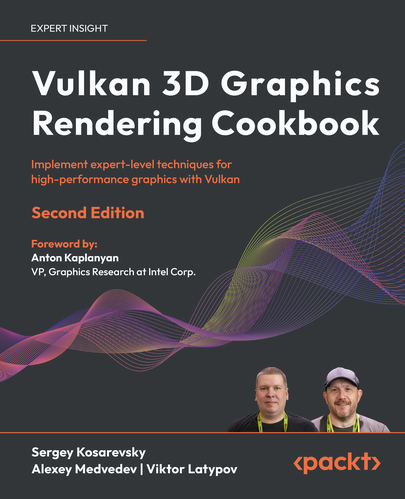
Vulkan is a low-overhead, cross-platform 3D graphics API that targets high-performance applications. 3D Graphics Rendering Cookbook helps you learn about modern graphics rendering algorithms and techniques using C++ programming with the Vulkan API.
This book covers the following exciting features:
- Improve the performance of legacy Vulkan applications with Vulkan 1.3
- Manage a substantial amount of content in real-time 3D rendering engines
- Discover how to debug and profile graphics applications
- Understand how to use the bindless approach in Vulkan
- Integrate various rendering techniques into a single application
- Find out how to leverage bindless Vulkan
- Implement a physically based glTF2 rendering pipeline from scratch
The book uses the LightweightVK library as a Vulkan wrapper and dives deep into its implementation.
If you feel this book is for you, get your copy today!
Software and Hardware List
| Chapter | Software required | OS required |
|---|---|---|
| 1-10 | Microsoft Visual Studio 2022 | Windows |
| 1-10 | GCC 13 | Linux |
| 1-10 | Python 3.x | Windows, Linux |
| 1-10 | Vulkan SDK | Windows, Linux |
The code runs on graphics cards which support Vulkan 1.3. GeForce RTX 2060 or newer is strongly recommended.
Instructions and Navigations
All of the code is organized into folders. For example, Chapter01.
The code will look like the following:
macro(SETUP_GROUPS src_files)
foreach(FILE ${src_files})
get_filename_component(PARENT_DIR "${FILE}" PATH)
Following is what you need for this book: This book is for 3D graphics developers who are familiar with the mathematical fundamentals of 3D rendering and want to gain expertise in writing fast rendering engines with advanced techniques using C++ libraries and APIs. A solid understanding of C++ and basic linear algebra, as well as experience in creating custom 3D applications without using premade rendering engines is required.
With the following software and hardware list you can run all code files present in the book (Chapter 1-10).
Downloading assets and dependencies:
Ensure that you’ve installed Git LFS https://git-lfs.com. This tool is essential for handling large files in Git, so it's important to have it set up before you proceed.
Run the deploy_deps.py script from the root folder of this repository. Make sure you have ~15Gb of free space before you download the assets and build the source code.
Models downloaded from Morgan McGuire's Computer Graphics Archive
Windows build instructions:
cd .build
cmake .. -G "Visual Studio 17 2022" -A x64
start RenderingCookbook2.sln
Linux build instructions:
sudo apt update
sudo apt install libtbb-dev
cd .build
cmake ..
cmake --build .
cd ..
Running the demos:
$\color{red}{\textbf{Run compiled demos from the root folder of this repository!!!}}$
Here's the complete list of all the demo applications included in this book.
Chapter 1: Establishing a Build Environment
- 01_CMake
- 02_GLFW
- 03_Taskflow
- 04_GLSLang
- 05_BC7Compression
Chapter 2: Getting Started with Vulkan
01_Swapchain
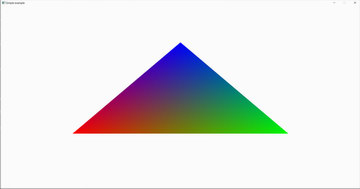
02_HelloTriangle
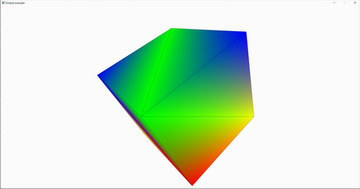
03_GLM
Chapter 3: Working with Vulkan objects
01_Assimp
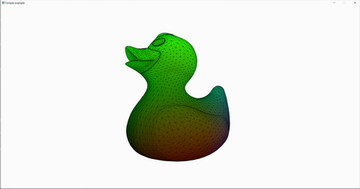
02_STB
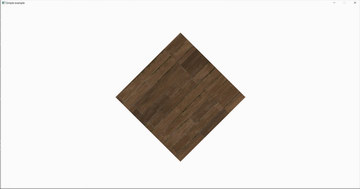
Chapter 4: Adding User Interaction and Productivity Tools
01_ImGui
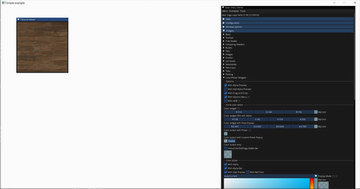
02_TracyProfiler
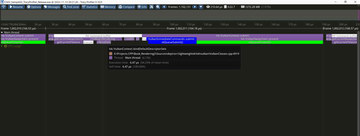
03_FPS
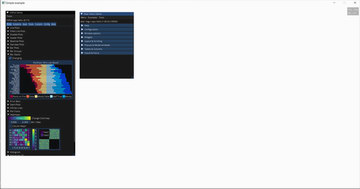
04_CubeMap
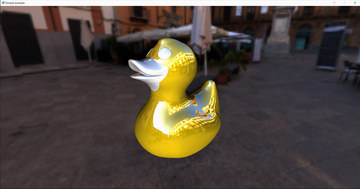
05_Camera
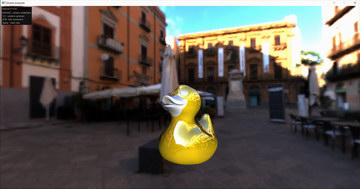
06_DemoApp
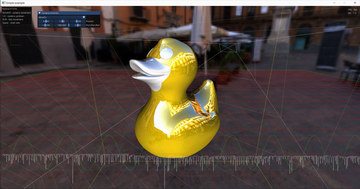
Chapter 5: Working with Geometry Data
01_MeshOptimizer
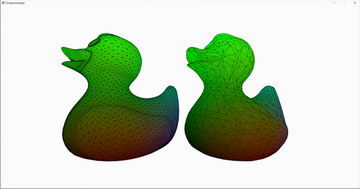
02_VertexPulling
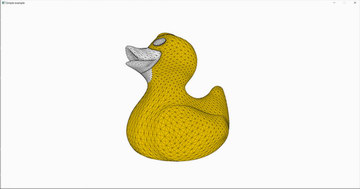
03_MillionCubes
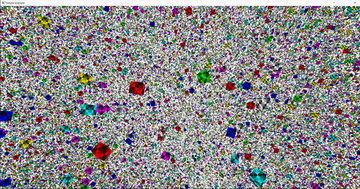
04_InstancedMeshes
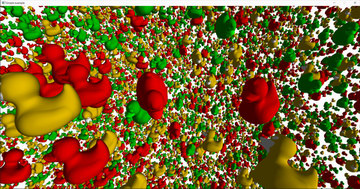
05_Grid
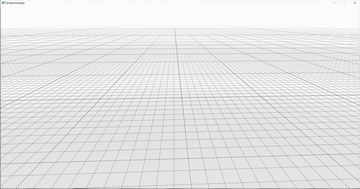
06_Tessellation
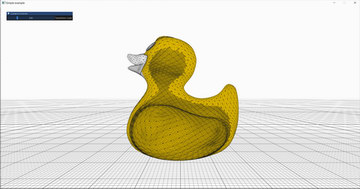
07_MeshRenderer
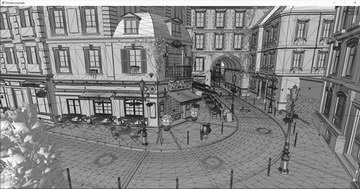
08_ComputeTexture
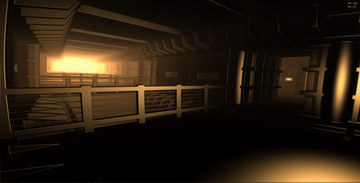
09_ComputeMesh
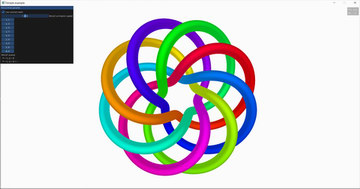
Chapter 6: Physically Based Rendering Using the glTF 2.0 Shading Model
01_Unlit
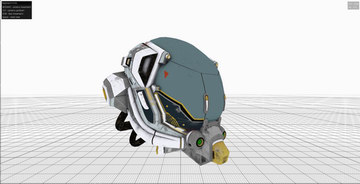
02_BRDF_LUT
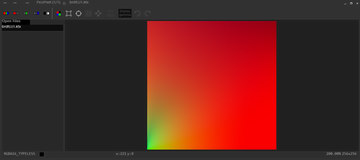
03_FilterEnvmap
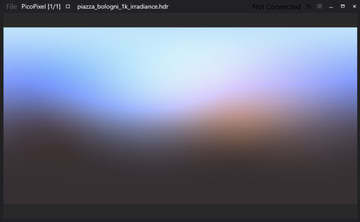
04_MetallicRoughness
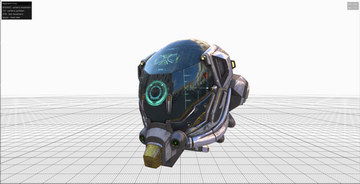
05_SpecularGlossiness
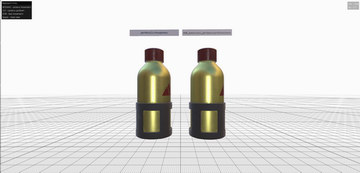
Chapter 7: Advanced PBR extensions
01_Clearcoat
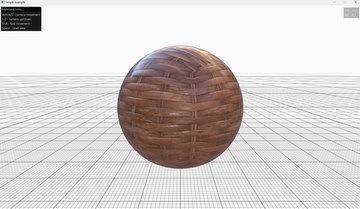
02_Sheen
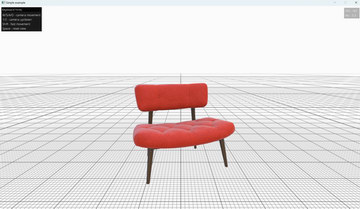
03_Transmission
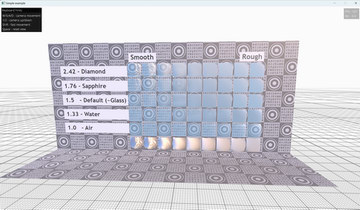
04_Volume
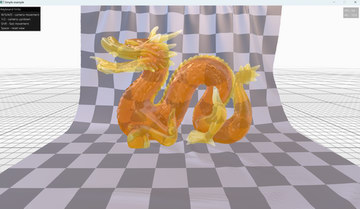
05_IOR
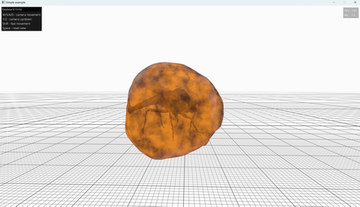
06_Specular
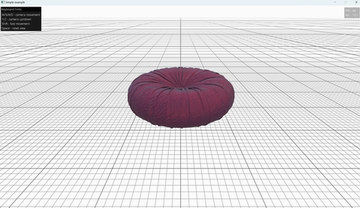
07_EmissiveStrength
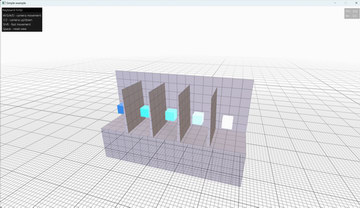
08_AnalyticalLight
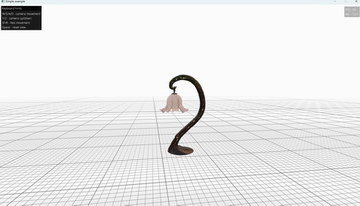
Chapter 8: Graphics Rendering Pipeline
01_DescriptorIndexing
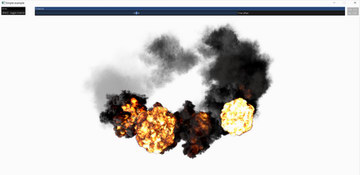
02_SceneGraph
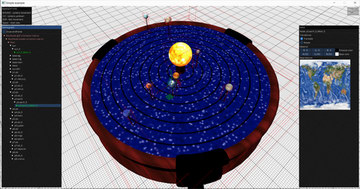
03_LargeScene
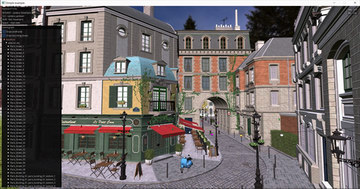
Chapter 9: glTF Animations
01_AnimationPlayer
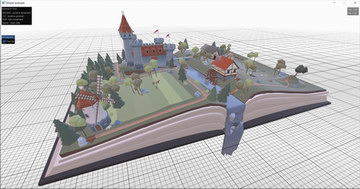
02_Skinning
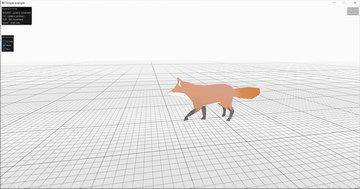
03_Morphing
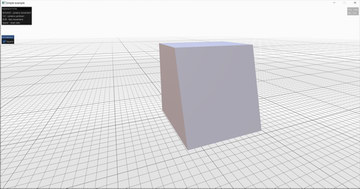
04_AnimationBlending
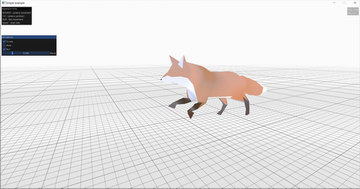
05_ImportLights
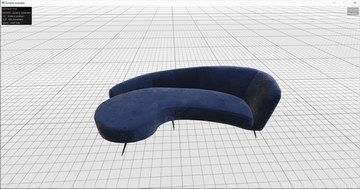
06_ImportCameras
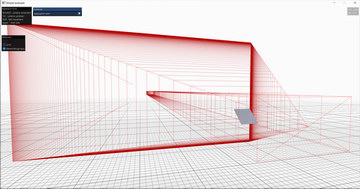
Chapter 10: Image-based Techniques
01_OffscreenRendering
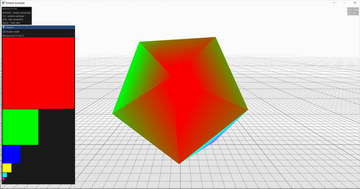
02_ShadowMapping
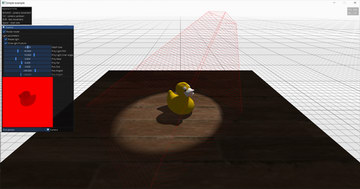
03_MSAA
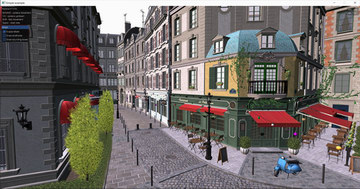
04_SSAO
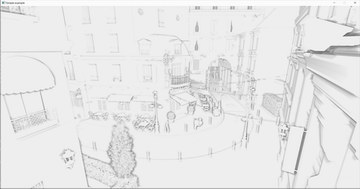
05_HDR
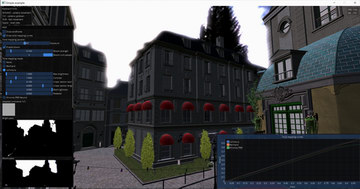
06_HDR_Adaptation
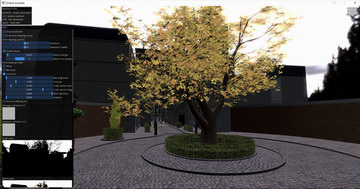
Chapter 11: Advanced Rendering Techniques and Optimizations
01_CullingCPU
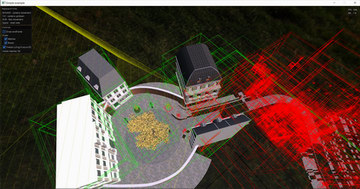
02_CullingGPU
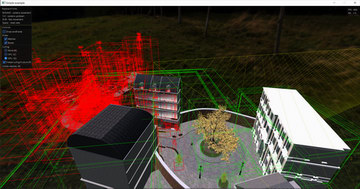
03_DirectionalShadows
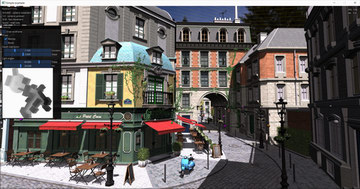
04_OIT
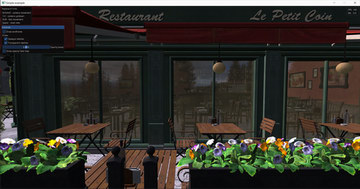
05_LazyLoading
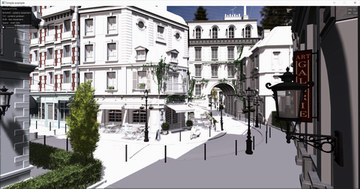
06_FinalDemo
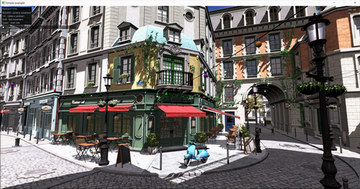
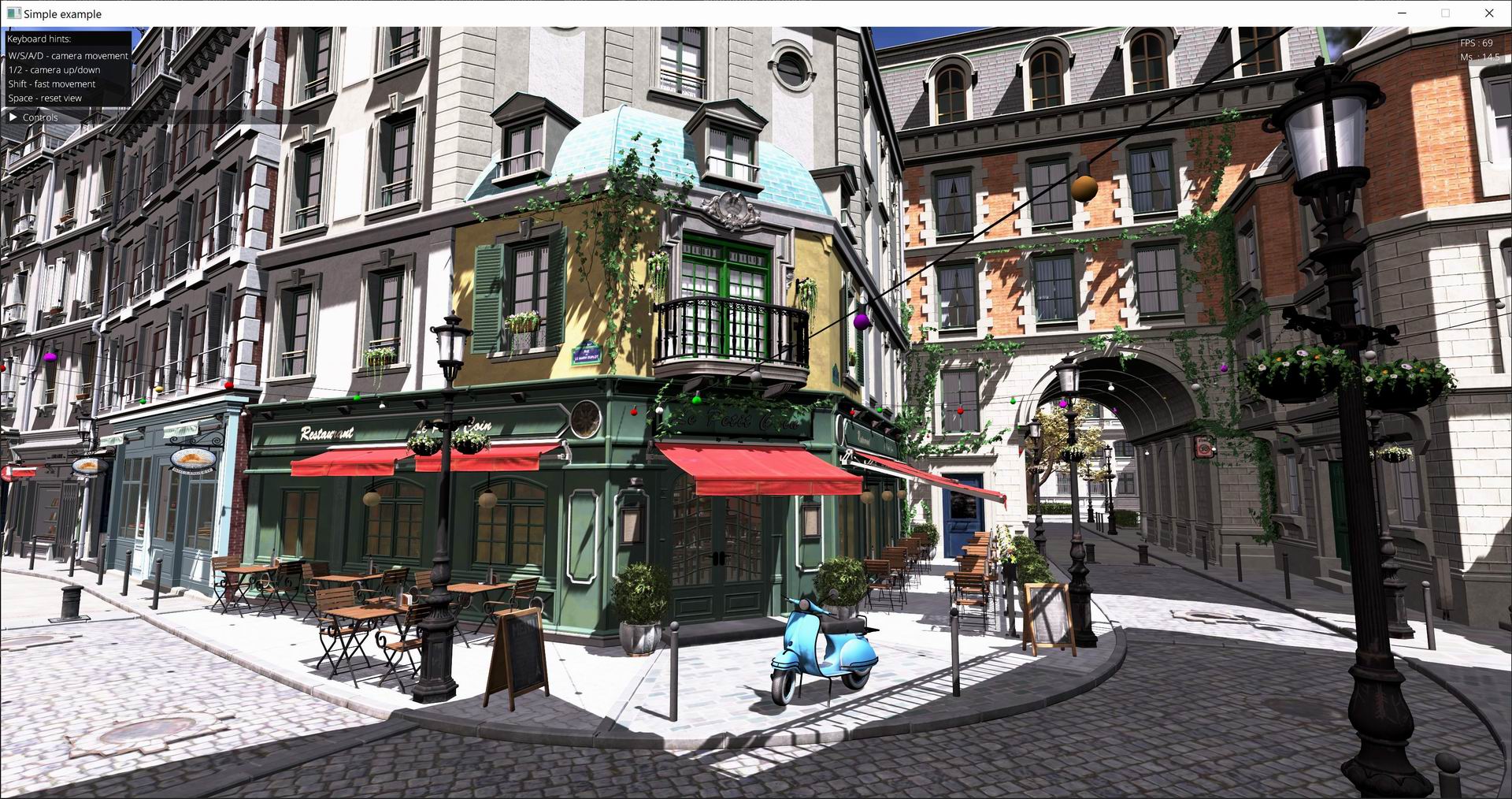
Screenshots
Get to Know the Authors
Sergey Kosarevsky
Sergey Kosarevsky is a former rendering lead at Ubisoft RedLynx. He currently leads Vulkan development at Meta. He worked in the mobile industry at SPB Software, Yandex, Layar and Blippar, TWNKLS, and DAQRI, where he designed and implemented real-time rendering technology. He has more than 20 years of software development experience and more than 12 years of mobile and embedded 3D graphics experience. In his Ph.D. thesis, Sergey employed computer vision to solve mechanical engineering problems. He has co-authored several books on mobile software development in C++.
Viktor Latypov
Viktor Latypov is a software engineer specializing in embedded C/C++, 3D graphics, and computer vision. With more than 15 years of software development experience and a Ph.D. in Applied Mathematics, he has implemented a number of real-time renderers for medical and automotive applications over the last 10 years. Together with Sergey, he has co-authored two books on mobile software development in C++
Alexey Medvedev
Alexey Medvedev is a technical expert with a rich background in game development. He currently serves as the AR Technical Lead at Meta, where he brings his passion for cutting-edge technology to drive innovation. Prior to joining Meta, Alexey honed his skills at prominent companies such as Crytek, Blizzard, and 2K, making significant contributions to the gaming industry.
Other books by the authors
Ähnliche Projekte entdecken
Wird geladen…